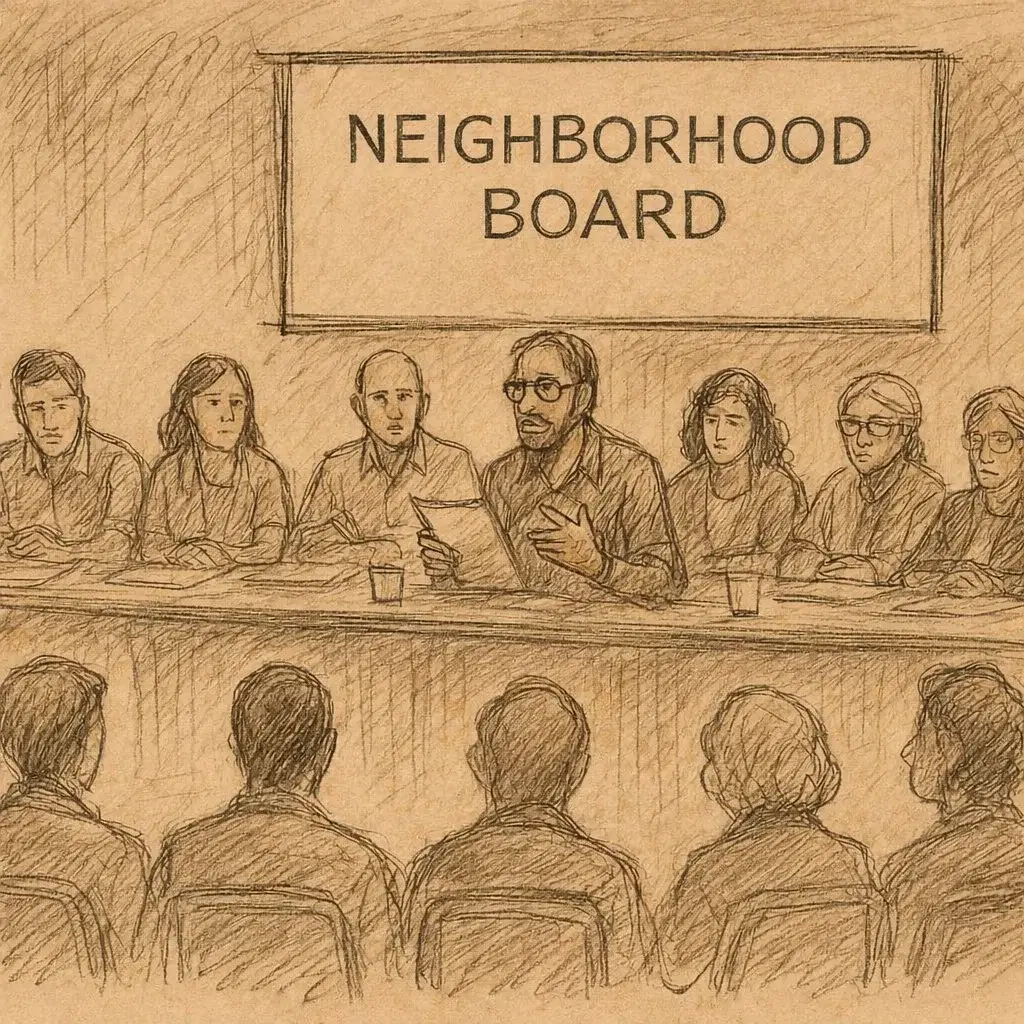
No 03 Waiʻalae-Kāhala Neighborhood Board Regular Meeting June 2026
Listen to this article:
3 Waialae-Kahala Neighborhood Board Meeting – July 9, 2026
City Services, Zoo Litigation, and Traffic Operations
A city representative agreed to verify privately whether an earlier concern was included in the relevant scope of work. Resident Lee Castonguay then asked about the Honolulu Zoo’s new director and the city’s position on litigation involving the zoo’s elephants. The representative acknowledged the legal issues but could not comment on ongoing litigation and offered to take the concern back to the administration. Board member Rich Turbin thanked the Department of Transportation Services for correcting the malfunctioning traffic signal at Kīlauea Avenue and Pueo Street. Previously, after the normal 20-second interval, the light sometimes delayed another 45 to 50 seconds, creating a hazardous condition and worsening access for residents on the makai side of Kāhala. DTS said signal timing falls within its responsibilities and encouraged residents to report street problems directly because staff cannot observe every location. The department also recommended the city’s Honolulu 311 application, which it monitors on a near-real-time basis.
Recognition of John White’s Community Safety Work
City Council Chair Tommy Waters presented board member John White with a certificate recognizing his contributions to public safety and neighborhood engagement. White has lived in Waiʻalae-Kāhala since 2006 and founded the Kāhala-Diamond Head Neighborhood Security Watch in 2018. According to the presentation, the watch connected hundreds of households so residents could exchange information, assist one another, and create a safer and more cohesive community. Waters thanked White for his leadership, volunteerism, and sustained service.
Triangle Park Community Gathering
Board members and Council Chair Waters praised a recent gathering at the area known as Triangle Park. Participants described a strong turnout, a calm block-party atmosphere, and a final musical performance they believed was worthy of a Nā Hōkū Hanohano Award. The event also included information about the history of Lēʻahi, which attendees found especially compelling. Members said parking and safety appeared manageable, with one late-arriving attendee still able to find parking, and a nearby neighborhood representative reported receiving no complaints. Several speakers supported holding more inclusive community events there and suggested adding an art exhibition. The discussion contrasted the open, communitywide character of this event with concerns previously expressed about increasing activities at Shangri La, while noting that the Triangle Park gathering remained mellow and accessible to everyone. The board indicated it would follow up at a future meeting.
Withdrawal of the Mauʻumae Park Archery Proposal
Council Chair Waters explained how a proposed archery range in a nature-preserve park was withdrawn following organized community opposition. Waters surveyed approximately 2,500 neighborhood residents using what he described as an evenhanded presentation of both sides, and about 80 percent opposed locating the range there. He presented those findings to the mayoral administration and Department of Parks and Recreation, which then pulled back from the proposal; the archery operator, Mr. DeWitt, also withdrew. Waters said he was looking for a more suitable alternative, possibly in Koko Head Crater near the botanical garden or horse stables. A positive result of the controversy was stronger community stewardship of the park. Residents began working with the Aloha Tree Alliance to remove invasive California grass and kiawe and replace them with native vegetation, including koa trees. Waters cited similar restoration work near the back of Kalāʻau Street in Kuliʻouʻou, where volunteers clear land, plant native trees, and continue watering them.
Queen Theater Sale and Community-Arts Potential
The board asked whether the sale of the historic Queen Theater could require a future purchaser to preserve a theater, playhouse, music venue, or other community use. Council Chair Waters said no such restriction exists because it remains private property. He reviewed the history of complaints about people living inside the building, late-night noise, and other troublesome activity, which had prompted community discussion of condemnation. The former owners, the U family, initially said they would rehabilitate the property but did little beyond painting it. Waters subsequently secured the public-infrastructure-map designation needed before the city could spend acquisition funds and placed money in the capital improvement budget after a family representative said the theater was for sale. However, the mayor did not support city acquisition, making a municipal purchase unlikely. Community groups and more than one church have expressed interest, while a developer considered affordable housing but reportedly withdrew because the site lacked adequate sewer capacity. Waters strongly hoped the buyer would not demolish the building or convert it into another storage facility. He described the potential for a restored theater to serve nearby ballet studios, an ʻukulele school, Kalani High School—which lacks a performing arts center—and local productions and community events. A successful venue could also support nearby restaurants and businesses in an area where establishments, including Big City Diner, have closed. Waters cited Hilo’s Palace Theater as a model in which government transferred a theater to a nonprofit that raised renovation funds, but said that approach would require city support that is currently absent.
Disaster-Preparedness Town Hall
Randy Porter, speaking on behalf of Representative Tina Grandinetti, reported that she was simultaneously hosting a well-attended disaster-preparedness town hall with the Hawaiʻi Emergency Management Agency, a wildfire-management organization, the Honolulu Department of Emergency Management, and the Center for Resilient Neighborhoods. Porter encouraged a resident who had previously asked about hazardous areas to contact Grandinetti’s office because one of the participating agencies might be able to provide an answer. Another attendee said the program was excellent and had been recorded by ʻŌlelo Community Media, and advised residents to check ʻŌlelo’s schedule or Representative Grandinetti’s office and website for viewing information. No representative from Representative Mark Hashem’s office was present.
Legislative Newsletters, Housing Webinar, and Community Events
A staff member from Senator Stanley Chang’s office announced that links to the senator’s district and housing newsletters would be placed in the meeting chat. The district newsletter summarizes bills passed during the year’s legislative session. The housing newsletter promotes a webinar featuring Sir Michael Lyons, chair of England’s New Towns Taskforce, an independent expert advisory panel associated with plans for approximately 300,000 new homes. During community concerns, Jason Liang offered to obtain the recording of Representative Grandinetti’s disaster-preparedness event and send it to the board chair and vice chair for distribution. He also announced a talk-story gathering at Kuliʻouʻou Beach on Saturday from 10 a.m. to 3 p.m. Another speaker announced a get-out-the-vote event for July 11 at Kawaikuʻi Beach Park, emphasizing that nonvoters constitute a large group capable of changing election outcomes and directing residents to a campaign website for more information.
Approval of Previous Meeting Minutes
The board reviewed its May regular-meeting minutes. A correction was requested on page seven to replace an August 26 date with June because a presentation originally thought to be scheduled after a June recess was instead being made that evening, with the board’s recess occurring in July. The board approved the minutes unanimously with that amendment.
Development-Plan Permitted Interaction Group
The board received a status report from its permitted interaction group reviewing the Primary Urban Center Development Plan and East Honolulu Sustainable Communities Plan, both of which govern planning affecting Waiʻalae-Kāhala. The group met by Zoom on June 5, and members divided responsibility by subject. John White reviewed clean-energy transformation; Jim Nicolai covered housing, watersheds, and water quality; Daylan Kam examined smart and sustainable communities, green workforce development, and education; Christian reviewed solid-waste reduction and local food production; and Aloha handled natural-resources management. Because the report was lengthy, it was to be emailed to the Neighborhood Commission Office and posted with the Waiʻalae-Kāhala Neighborhood Board documents after approval of the minutes. The group generally meets from 5 to 6 p.m. on the first Friday of each month, with the next meeting identified as July 3. Members clarified that this was a permitted interaction group rather than a standing committee.
East Oʻahu Climate and Resiliency Mandate
Aloha presented the second part of a proposed climate and resiliency mandate intended to unite Kaimukī, Pālolo, Waiʻalae-Kāhala, Kuliʻouʻou-Kalani Iki, Hawaiʻi Kai, and Waimānalo around shared watersheds extending from the Koʻolau range to Maunalua and Waimānalo bays. The framework is designed as a living document to express community priorities when the city Department of Planning and Permitting updates the Primary Urban Center Development Plan and East Honolulu Sustainable Communities Plan, generally on a 10-year cycle, before those plans feed into statewide planning. The initiative grew from a two-day symposium at the Kāhala Hotel and Resort attended by approximately 100 people, featuring 32 speakers on the first day and 10 topic-focused roundtables on the second. Organizers intend to ground the work in Hawaiʻi’s 1986 Aloha Spirit Law and the values associated with aloha: grace and tenderness, unity and harmony, agreeableness, humility, patience, and perseverance.
Resiliency Outreach, Surveys, and Working Groups
The resiliency initiative is seeking participation from kūpuna, keiki, families, neighborhood boards, businesses, government agencies, educational institutions, and nonprofit partners. Its goals include identifying neighborhood projects, participating in formal planning discussions, and supporting grant and funding applications. During the symposium, public officials and philanthropic organizations discussed possible resources, including opportunities associated with the Green Fee Advisory Council. Presentations were being taken to each East Oʻahu neighborhood board, with sessions identified for Kuliʻouʻou-Kalani Iki on July 1, Pālolo on July 8 and August 12, and a requested third Waimānalo presentation on July 13. Waimānalo’s previous meetings reportedly drew approximately 25 to 50 people. The initial 2026–2027 schedule called for neighborhood-board outreach from April through August, survey analysis later in the year, and distribution of an updated mandate by year’s end. Working groups would then be organized from January through March 2027, with implementation potentially beginning near the end of 2027 after plans and budgets were completed.
KISCA Hui and Community-Led Environmental Projects
The Kāhala Initiative for Sustainability, Culture and the Arts, or KISCA Hui, is sponsored by the Kāhala Hotel and Resort and includes about 150 residents, agencies, schools, and nonprofit partners. Survey responses will determine which working groups are formed. Possible priorities include cleaning streams and storm drains, restoring beaches, managing natural resources, reducing waste, supporting local food production, and improving disaster resilience. Organizers stressed that residents should not wait for state agencies such as the Department of Land and Natural Resources to perform every task and instead should help plan and carry out local projects. Potential partners include Livable Maunalua Hui, Protected Preserve Hawaiʻi, Mālama Maunalua, 808 Cleanups, the Maunalua Fishpond Heritage Center, the Aloha Tree Alliance, and the neighborhood boards. The 32-page mandate, presentation, and survey were made available through the Neighborhood Commission Office website. Residents could join the KISCA Hui by providing an email address and would then receive access to its Basecamp platform for documents, messages, and collaboration.
Emergency Communication and Evacuation Readiness
The resiliency presentation also emphasized the need for clearer community communication during emergencies. Aloha described having prepared her cat, food, and vehicle during a previous coastal evacuation but not knowing where to go. She initially believed Kapiʻolani Community College was an evacuation destination, only to learn it served as an emergency command post, and eventually waited mauka near Kāhala Market while charging an electric vehicle and eating dinner. The experience illustrated the need for beachside residents to know in advance where to evacuate, how to obtain reliable instructions, and which locations are public shelters rather than response centers. Organizers asked residents to review the mandate, complete the survey, offer corrections and priorities, and volunteer for future working groups.
Unpermitted Fence at 949 Kealaʻolu Place
Council Chair Waters reported that the fence at 949 Kealaʻolu Place was unpermitted. The homeowner sought a variance from the Department of Planning and Permitting, but the request was denied and the matter was appealed to the Building Board of Appeals. Waters warned that the board has a substantial backlog, in part because it often lacks a quorum, so a decision could take time. He has been pressing appointees to attend meetings after City Council confirmation and said he would monitor the appeal and report back monthly. When asked whether penalties continue while the appeal is delayed, Waters said he believed they do. He characterized the fence as visually excessive and encouraged members to inspect it.
Puʻupanini Avenue Sidewalk and DOE Property Maintenance
Residents continued their long-running complaint about landscaping, sidewalks, and public safety around the Department of Education’s approximately 6.5-acre property along Puʻupanini Avenue and Pālikū Street. DOE cut weeds on April 16, May 11, and June 5, with the latest two visits only 25 days apart—an improvement over a previous interval reported as 113 days. However, crews reportedly weed-whacked vegetation without collecting branches, thorns, and other green waste, allowing debris to return to the sidewalk and forcing pedestrians, including dog walkers, into the roadway. Photos from June 8 and June 17 showed the sidewalk already obstructed after the June 5 cutting, while curb areas and a storm drain near the corner remained filled with material. Residents also cited wheelchair users from Variety School navigating seed pods and debris to reach two DOE picnic tables, one broken and the other badly rotted.
DOE Follow-Up, Enforcement, and Liability Concerns
Representative Grandinetti helped secure an on-site meeting with DOE, where Superintendent Audrey Hidano directed staff to produce results within two weeks regarding landscaping arrangements. A month later, residents asked DOE for an update by June 16 so it could be presented to the board, but received no response even after a final follow-up the day before the meeting. Hidano had since moved to another position, and Richard Fajardo was identified as the new facilities superintendent. Separately, Council Chair Waters’ staff helped clarify the city ordinance requiring landowners to keep sidewalks and gutter areas free of weeds and noxious growth. DPP inspected the property on April 23 but found no current violation because DOE had cut the area seven days earlier. Residents now understand that they can seek another inspection when conditions deteriorate. They had offered to sweep and collect debris while DOE crews cut weeds, but DOE attorneys reportedly rejected the proposal because of liability concerns. A board member who is a personal-injury attorney called that decision unreasonable, suggested volunteers could sign waivers, and warned that the state could face substantial liability if someone is injured by debris DOE fails to remove.
Long-Term Use of the DOE Site and Proposed Board Action
The discussion broadened from immediate sidewalk maintenance to DOE’s overall management of the property. Residents said DOE staff assigned to curriculum work are not trained or adequately funded as property managers, and noted that the grounds were kept in much better condition when the Department of Defense and National Guard controlled the site, with security patrols, working irrigation, and prompt repairs. DOE reportedly received the property roughly 12 to 15 years ago for possible development, including teacher housing, but infrastructure limitations prevented that plan from advancing. Members questioned whether DOE should continue controlling land it cannot adequately maintain and expressed concern about assigning it additional property, including Waiʻalae-Kāhala Park. Suggestions included seeking help from the governor, Senator Chang, Representative Grandinetti, DOE leadership, and Council Chair Waters, while carefully considering whether redevelopment could lead to housing or another major use. The board discussed forming a permitted interaction group, but Neighborhood Commission staff clarified that a future agenda must identify the group’s exact purpose and proposed members before the board can vote to establish it. The immediate recommendation was for residents to prepare a short, specific resolution for the August meeting addressing safe sidewalks and property maintenance, while leaving the broader land-use question for later consideration.
Vacant-Lot Fire and Nuisance Concerns
A separate property discussion involved John Black’s concerns about an undeveloped lot next to his home and a proposed residential project. Black emphasized that he did not oppose the new house and considered the design attractive, but asked that the lot be cleared before construction because dry vegetation posed a fire danger, particularly during strong Kona winds. He also reported rats, feral cats, and roosters and said it was unreasonable to wait through an estimated two-year Special Management Area and DPP permitting process before addressing those conditions. Project consultants said ownership had recently passed to a younger family member, separating the current applicant from individuals involved in earlier disputes. They stated that the project was intended to comply with zoning and development regulations, that the lot would ultimately be cleared through construction, and that the owner’s representatives would maintain communication with Black and attempt to mitigate reasonable concerns. The board concluded that both positions had been heard and that no specific action was being requested from it at that time.
Shangri La Operations and Neighborhood Outreach
A Shangri La representative reported that operations were proceeding well and that the institution continued to work within the conditions of its updated permit. Shangri La began a partnership with Ballet Hawaiʻi West to extend programming beyond the immediate neighborhood and reach people who cannot visit the site. Dancers also participated in the opening of a new living-room gallery. Another neighborhood partnership was being developed for a possible update at the August meeting. The representative thanked John White for his role as neighborhood-watch liaison, including assistance during a February event involving Secret Service personnel and high-ranking officials. Shangri La will continue providing written advance notice to surrounding neighbors before larger events, as required by its permit, and its events manager has made direct contact information available for questions. The first neighborhood briefing of the year was planned for late July to share updates and receive comments from residents living closest to the property.
Triathlon, Recess, and Next Meeting
The agenda included the Nā Wāhine Festival Sprint Triathlon, but no representative was present to provide a report. The board announced that it would recess during July and reconvene on Thursday, August 20, 2026, at 7 p.m. at the Ala Wai Golf Course, with online participation also available. The meeting then adjourned.