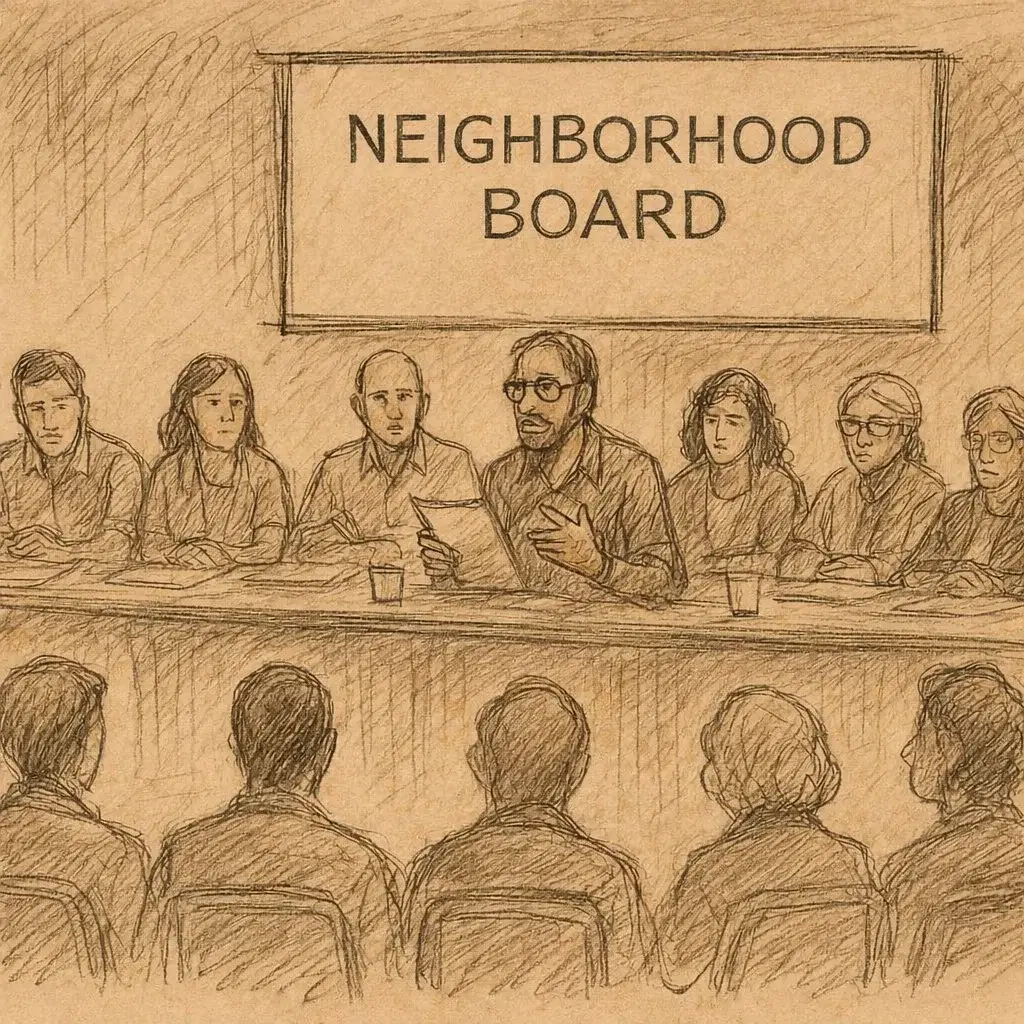
No 26 Wahiawā Whitmore Village Neighborhood Board Regular Meeting July 2026
Listen to this article:
26 Wahiawa-Whitmore Village Neighborhood Board Meeting – July 21, 2026
Tribute to First Lieutenant Tyler James Feehan
The meeting opened with condolences and gratitude for U.S. Army First Lieutenant Tyler James Feehan of ʻEwa Beach, who was killed while deployed in Jordan. Speakers noted that he was only 25 years old, had served in the Hawaiʻi National Guard, and attended Brigham Young University. The board extended sympathy across the broader community from Wahiawā to ʻEwa Beach, thanked him for his service, and recognized the honor paid to him before calling the regular meeting to order. The Governor’s representative later reported that U.S. and Hawaiʻi flags had been ordered to half-staff through Wednesday in Feehan’s memory.
Fire Department Report and Hiking Safety
The Wahiawā Fire Station captain reported June 2026 activity consisting of one structure fire, two brush fires, four nuisance fires, five activated alarms, 67 medical emergencies, and one hazardous-materials call. With summer hiking activity increasing, the department advised residents to select trails appropriate to their skill and stamina, check rain, wind, and ocean-swell conditions, remain on marked trails, hike with a companion, tell someone where they are going, and allow enough time to return before dark. A board member asked about repeated ambulance and fire-truck responses on Coah Street and how the Honolulu Fire Department coordinates with emergency medical services. The captain said the activity may have involved routine medical calls, as crews frequently respond to that area, and offered to determine whether any larger incident had occurred.
Police Statistics and Vehicle Break-Ins
Honolulu Police Department Lieutenant Rommel Baisa reported Wahiawā statistics for the 30-day period from June 19 through July 19. HPD recorded four assaults, four burglaries involving homes or businesses, 43 motor-vehicle collisions, nine major collisions requiring vehicles to be towed, no robberies, and 13 unauthorized entries into motor vehicles. Calls for service totaled 1,076, a slight decline from the preceding period. Because vehicle break-ins had increased, HPD urged motorists to remove or completely conceal belongings before reaching their destinations, recognizing that even items owners consider unimportant may attract thieves. Residents were also advised to verify that doors are locked, use alarms and other security technology, park in well-lit and heavily traveled areas, and install motion-activated lighting when parking at home.
Farm Fair Traffic and Police Operations
A board member asked whether HPD observed unusual traffic or public-safety problems during the July 11–12 Farm Fair weekend. Lieutenant Baisa said no major complaints had been received and suggested that added directional signage helped prevent the congestion experienced during the previous year’s fair. During related discussion of possible raids and enforcement operations, he explained that narcotics investigations are generally handled by HPD’s Narcotics/Vice Division or the state Department of Law Enforcement. Patrol officers may not receive advance notice because operational information is restricted to protect officer safety and prevent leaks.
Mango Street Property and Reported Illegal Activity
The board again raised concerns about the blue building at 123 Mango Street, formerly associated with Achieve Zero, where residents have reported continuing illegal activity. Reports described activity in the early mornings, particularly on Tuesdays and Thursdays, and between approximately 5 and 6 p.m., with effects extending from the property frontage into the Dot’s parking lot. Residents also described a person acting as a manager and carrying a clipboard, while ownership and the status of a possible city, state, or nonprofit acquisition remained unclear. HPD explained that it addresses crimes occurring outside the property or crimes reported by an owner from within it, but ownership and property-management questions fall largely to other agencies. Lieutenant Baisa agreed to request patrol checks so officers could observe and address illegal conduct. The board encouraged residents to call 911 for emergencies, use the nonemergency line for other incidents, and submit information through the 311 system so reports create a record that can support requests for additional enforcement resources.
Encampment at the Freeway Entrance
Residents reported at least three tents, clotheslines, and apparent day-and-night camping on the grassy area near the freeway entrance and the “Welcome to Wahiawā” sign. The area was identified as state Department of Transportation property rather than a city park. HPD said officers can conduct welfare checks and enforce observable criminal violations there, but removing occupants for trespassing or unauthorized camping is more difficult without clear closure, trespass, or permit restrictions and may primarily fall to the state Department of Law Enforcement, Department of Land and Natural Resources, or responsible landowner. A resident who had stopped at the site also noted that a man was voluntarily painting over graffiti on the welcome sign. Board members emphasized that residents should report incidents they observe, while HPD cautioned people to protect their personal safety and avoid risky confrontations. DOT’s representative later agreed to verify ownership and examine whether the department has a plan to monitor or manage the area.
Election of Board Officers
The board elected officers for the July 2026 through June 30, 2027 term. Members approved a motion to continue the prior year’s officers in their existing positions, leaving Ishikawa as chair and Charisma as vice chair. Because the board lacked a secretary, Yvonne Yoro was nominated but declined, after which Erin Mendelssohn accepted nomination and was elected secretary so another officer would be available to conduct meetings if the chair and vice chair were absent. Staff clarified that the neighborhood plan requires four officers even when a position has few duties, so Ethan remained treasurer under the vote carrying over existing officers. The board had eight members participating and exceeded its quorum requirement of five.
Army Hiring Fairs, Training, and Community Contact
U.S. Army Garrison Public Affairs announced hiring fairs at Aliamanu Military Reservation Gym and, on August 24, at Helemano Military Reservation’s training room, with both scheduled from 8:30 a.m. to 2 p.m. Provisional hiring would be available, and applicants were asked to bring identification, a Social Security card, résumé, application, and two references. Child and Youth Services positions were highlighted as offering retirement benefits, access to recreation facilities, reduced-cost child care, and commissary and PX privileges. The Army also reported training at Schofield Barracks from July 24–26 and East Range from July 13–24, following other exercises earlier in July. In response to concern about nighttime noise, helicopters, and lighting, the representative said she was not tracking nighttime training and understood East Range small-arms activity should end around 6 or 7 p.m. The Army’s revised community-concern telephone number is 808-766-7778.
Prescribed Burns and West Range Site Review
Board members requested the Army’s promised follow-up report concerning prescribed burns conducted in April and May and asked that it include historical information previously requested. The Army representative said personnel had recently inspected the area and she would obtain the outstanding information. During committee reports, members who toured Schofield’s West Range disputed the claim that prescribed burns caused the March “Kona low” runoff, noting that the previous burn had occurred in May 2025 and that grass regrows quickly; the 2026 burns occurred after the storm, in April and May. They also explained that areas are swept before organized visits and that observed ammunition appeared to be expended, blue-marked practice material, although unexploded ordnance remains possible on land used for military training for roughly a century. The Army reportedly used depleted uranium from 1960 to 1968 in a 20-millimeter spotting system associated with the Davy Crockett recoilless-rifle system, followed by cleanup work beginning in later decades. The Army’s stated protocol calls for additional radiological testing when erosion areas exceed approximately 25 by 25 meters or when substantial unauthorized digging occurs; no erosion of that scale was observed, and the Kona low did not trigger special downstream radiological testing beyond monitoring conducted twice annually.
RIMPAC Exercise and Community Effects
The Army and Navy reported that Rim of the Pacific Exercise 2026 was running from June 24 through July 31 around the Hawaiian Islands. RIMPAC involved approximately 25,000 personnel from 31 nations and was described as one of the world’s largest maritime exercises. Residents were advised to expect increased military aircraft, ships, personnel, noise, traffic, and general activity. Navy representative Dan Sanford said most exercise activity occurs at sea or on military property, with some on-land events after ships return during the final week of July. Most visiting personnel remain aboard their ships, walk to on-base services, or use taxis and rideshare vehicles when entering the community, while government vehicles are generally limited to official duties. The Navy said the exercise also produces local spending and had included community-relations work before ships deployed, though a board member asked that RIMPAC provide more direct support to schools, parks, and communities burdened by the additional population.
Navy Ship Tours and Volunteer Assistance
The Navy offered guided tours of the USS Daniel Inouye, a guided-missile destroyer, including a Saturday tour at 9 a.m. and another the following Thursday at 3 p.m. Eligible civic, government, or school groups would need at least six but no more than 20 participants and could contact 808-473-2890. The Navy was also exploring whether a returning aircraft carrier or other visiting ships could open for tours during the final week of July; several foreign ships had already participated in an earlier open-ship event. With sailors returning from RIMPAC and seeking volunteer work, community groups were invited to use the same number to propose service projects. A board member thanked the Navy for sending approximately 15 sailors to assist with a Wednesday food effort serving local keiki.
Water Supply Update and Customer Credits
The Board of Water Supply reported no water-main breaks in the Wahiawā area during the month. It announced the annual Hālawa Xeriscape Garden Open House and Unthirsty Plant Sale for Saturday, August 1, from 9 a.m. to 1 p.m., featuring drought-tolerant plants, gardening experts, plant doctors, rain-barrel workshops, cacti and succulent displays, and free soil conditioner. Admission and shuttle transportation from street parking were to be free, while plant purchases would require a credit or qualifying debit card. Information was available at boardofwatersupply.com/plant-sale. A board member thanked BWS for a $240 account credit that helped several Wahiawā families offset sewer costs and reported that recipients had begun seeing the credit on recent bills. The representative agreed to confirm whether applications were still being accepted and how long the program would remain available.
Pedestrian Bridge Meeting and Project Opposition
The Hawaiʻi Department of Transportation confirmed a public information meeting on the Wahiawā–Whitmore pedestrian bridge for Friday, August 28, from 6 to 8 p.m. at the Whitmore Community Center. The project, described during discussion as costing approximately $50 million, continued to face intense opposition. Members said earlier meetings at Helemano Elementary, the Whitmore gym, and Wahiawā were packed and contentious, at times requiring HPD’s presence, and cited prior tallies of approximately 211 opposed to one in favor. One member asserted that more than 99 percent of the affected community opposed the bridge. The board asked DOT to bring decision-makers and complete information about funding, project history, environmental review, permitting, cultural analysis, native stream life, freshwater habitat, and the inability or refusal to redirect funds elsewhere. Concerns specifically referenced ʻoʻopu, ʻōpae or other native aquatic species, possible stream disturbance, the adequacy of environmental impact documentation, and whether a Ka Paʻakai cultural analysis had been completed or should be required because federal and state money is involved.
Bridge Construction Status and Meeting Logistics
Conflict arose over DOT’s statement that work had not begun. Board and community members said they had toured the site with a Kiewit representative three or four weeks earlier and had seen grading, pilings, or other activity. Patrick Watson of Honua Consulting, speaking for Kiewit Infrastructure West, said he could not immediately distinguish preliminary work from the “heavy construction” phase but would seek a precise explanation of what had occurred, what was planned before August 28, and when major construction would start. He apologized for confusion caused by previous meeting announcements and said the postponement was intended to ensure that appropriate HDOT personnel could answer questions about decisions made before Kiewit and Honua became involved. Residents asked DOT either to move the meeting earlier or pause work until the community had been heard. Because the community room may hold only about 30 people and the gym’s new floor was not being offered, the board asked organizers to find a larger or protected venue, plan for crowd management, and work with Representative Amy Perruso and local leaders. A suggestion was also made to provide food because the meeting falls on a Friday evening.
Karsten Thot Bridge and Transportation Funding
A board member questioned why approximately $50 million should be spent on a separate pedestrian bridge if the Karsten Thot Bridge is itself expected to be rehabilitated or replaced and could include safer pedestrian access. DOT called the question reasonable but said it needed to return with details about the Karsten Thot project. During the Transportation Committee report, the board was told that the Oʻahu Regional Transportation Plan 2050 had been approved and would be reviewed every five years. The report stated that $28,000 had been designated for the Karsten Thot Bridge, an amount characterized as sufficient only for minor improvements rather than major reconstruction.
Whitmore Sidewalk Project
HDOT reported that the Whitmore sidewalk project remains under construction and is scheduled for completion near the end of 2027. The extended timeline means residents will continue to encounter work activity while improvements intended to provide safer pedestrian travel are installed.
Oʻahu Transit Riders
Luca Kinaberti introduced Oʻahu Transit Riders, a new organization advocating for bus riders, rail users, and people who depend on multimodal transportation alternatives. He sought volunteers and asked whether a board or community member could participate in the organization and report transportation updates back to the neighborhood board. Transportation Committee Chair Joe Francher exchanged contact information and expressed interest. Kinaberti, a graduate of Asia Pacific International School in Hauʻula and former Hawaiʻi Youth Transportation Council member, was preparing to leave August 5 to attend the University of Vermont but planned to remain involved remotely.
Proposed Women’s Residential Treatment Program
Hawaiʻi Behavioral Health Services Assistant Program Director Brandy Costales announced plans for a residential substance-use-disorder treatment program for adult women in an existing house on California Avenue. The organization was pursuing a conditional use permit through the Department of Planning and Permitting and working toward licensure as a special treatment facility under Hawaiʻi Administrative Rules Chapter 11-148. The proposed program would have 24-hour staffing and provide wraparound services that may include medical and psychiatric care, case management, vocational assistance, employment support, and help reconnecting women with their children. Costales said candidates were already waiting for services and that the organization successfully operates another residential facility serving veterans elsewhere. Board members asked about the certificate-of-need process, Office of Health Care Assurance certification, medical leadership, and whether the program had completed prerequisite approvals. Costales did not have every procedural detail but said an experienced team was handling the applications. A fuller presentation addressing location, operations, licensing, staffing, neighborhood effects, and community questions was scheduled for the September meeting.
Rose Street School Traffic and Parking
A resident raised safety concerns at Rose and Locust streets near Wahiawā Middle School, where parents reportedly park near the corner and along Locust Drive, producing backups and blocking residents’ driveways. One neighbor was reportedly assaulted after asking a parent to move so he could leave his property. The resident asked for no-parking signs or other controls before students returned. Board members said much of the area is already designated no parking until the street widens, although signs may have changed over time. They recalled that adult monitors once kept vehicles moving and escorted students, improving traffic flow, but that practice had stopped. The chair agreed to contact the school about restoring traffic-management assistance and to seek a response by September.
Queen’s Wahiawā Nurses and Hospital Services
Nurses and union representatives from Queen’s Wahiawā sought community support during contract negotiations that had continued for about a year. They said their goals were safe staffing, quality care, competitive conditions, and the recruitment and retention of experienced nurses while the emergency department is being expanded. A petition was made available outside the meeting room. A union representative clarified that the nurses are unionized but are negotiating their first contract and want Wahiawā placed on comparable terms with other Queen’s facilities. Representative Amy Perruso later said she had joined nurses at Queen’s headquarters and urged the board to require regular reports from Queen’s. She expressed concern that Queen’s originally discussed restoring a hospital but is currently investing in an expanded freestanding emergency department, with no stated near-term plan to restore inpatient hospital services. Members also questioned the certificate of need approved in 2024 and said the community should continue monitoring whether Queen’s fulfills earlier commitments.
California Avenue Repaving and Possible Bike Lane
A resident from the water-tower area asked whether California Avenue roadwork would install a bicycle lane through Upper Wahiawā, noting that portions of the road are narrow and already carry bus traffic. The chair had requested project drawings and plans from DOT and offered to follow up directly once details were received. The City Council representative later reported that the California Avenue repaving project was underway and expected to continue through February 2027, generally Monday through Friday from 8:30 a.m. to 3:30 p.m. The work was described as extending toward the water-tower or watershed area, but the office could not immediately confirm whether bicycle lanes would continue through the entire corridor. Residents were also directed to consult the state DOT project website for current plans and contacts.
Mayor’s Office and Disaster Preparedness
The Mayor’s Office highlighted coordinated, cross-departmental efforts to strengthen disaster readiness during hurricane and wildfire season. It also announced that former Smithsonian National Zoo Director John Berry had joined the city to lead Honolulu Zoo efforts and that Krishna Jayaram had become managing director-designate, with Ian S. serving as deputy managing director. The mayor’s newsletter was made available through the city website. A separate response to a prior question stated that the Police Commission’s selection and authority are addressed in Sections 6-1603 and 13-103 of the Revised Charter; the representative agreed to resend the explanatory PDF because the chair had not received it.
Reduced School-Zone Speed Limits
The Honolulu Department of Transportation Services is implementing Ordinance 24-32, reducing posted speeds on city roads bordering schools from 25 mph to 20 mph between 6 a.m. and 6 p.m. on school days. The city will also install or replace missing, faded, or noncompliant signs within 1,000 feet of schools. Because more than 200 schools are involved, implementation will occur in phases over several years. Priority will consider school enrollment, Title I status, the number of students living within walking distance, education level, crash history, and speeding problems. Board members noted that many Wahiawā schools are Title I schools and may therefore rank highly for early improvements. For roads outside city control, DTS will request comparable changes from the responsible agency.
Faded Markings and Complete Streets Errors
The Department of Facility Maintenance opened service request 77-127 to address faded street signs and pavement markings near Olive and Mill streets, with work to be completed as resources become available. A board member reported that recent Complete Streets work appeared to reproduce earlier errors, including painting parking spaces in front of the library bus stop and applying bus-stop markings outside the Wahiawā Shopping Center where a stop no longer exists. The Mayor’s Office agreed to pass those concerns to the appropriate department.
City Capital Projects and Park Improvements
Councilmember Matt Weyer’s office reported $500,000 for repairs and renovations at Wahiawā District Park and $2 million for improvements supporting the Wahiawā Civic Center Satellite City Hall. The district park had also completed energy-conservation upgrades as part of work at 49 city parks, including LED lighting, water-saving plumbing fixtures, and irrigation improvements. Members questioned whether the meeting room’s lights were included because the fixtures appeared old and had visible cobwebs; the office agreed to check. Separately, a stakeholder meeting had brought agencies and community groups together to identify service gaps and coordinate assistance for people experiencing homelessness, although no finalized initiatives were yet available.
Office of Economic Revitalization Cuts and Career Fair
Councilmember Weyer’s office criticized the Council’s failure to override the mayor’s line-item vetoes eliminating 15 Office of Economic Revitalization positions. OER, which helped organize the November Taste of Wahiawā event and has supported communities during disasters, was expected to cease most operations on September 30, leaving six employees and limited operating funds. Members asked how quickly the office could be restored if future emergencies demonstrated the need for its services; the representative suggested meaningful restoration might have to wait until the next annual budget cycle but did not have a definitive answer. Before the reductions take effect, OER scheduled a free adult and youth career fair at Leilehua High School cafeteria on Thursday, July 23, from 9 a.m. to 1 p.m., offering job opportunities, online application help, training-program information, and entrepreneurship assistance.
Governor’s Legislative Update
Governor Josh Green’s office reported that the 2026 bill-signing period concluded July 15. House Bill 1890 creates a framework for annual salary-step increases and longevity raises for veteran public-school educators, responding to a teacher-retention problem in which nearly half reportedly leave within five years because of low cost-of-living-adjusted pay. House Bill 1888 strengthens protections against harassment or threats aimed at teachers, counselors, school employees, and sports officials, requires schools to report physical threats to law enforcement within 48 hours, and supports staff seeking temporary restraining orders. House Bill 2021 creates statewide rules for e-bikes and micromobility devices, including operating locations, registration, age standards, and helmet requirements for minors. The Governor also issued a 20th emergency proclamation related to affordable housing and signed legislation expanding support for kūpuna care.
Clean Fuel Standard
Senate Bill 2999 established a clean-fuel standard intended to reduce the carbon intensity of transportation fuels by at least 50 percent below 2019 levels by 2045, making Hawaiʻi the fifth state with such a system. The Governor’s representative said the measure is intended to encourage locally produced renewable fuels and support agriculture but could not immediately explain its effective date, infrastructure requirements, or possible effects on vehicle mileage and fuel prices. Luca Kinaberti, who had advocated for the measure through the Hawaiʻi Youth Transportation Council, explained that it uses a credit system under which fuel suppliers whose products fail to meet carbon standards may have to purchase credits or pay associated costs. He said it was not designed as a direct increase in consumer gasoline prices and recommended reviewing the legislation and consulting HDOT for technical details.
Mango Street Acquisition Update
Senator Donovan Dela Cruz’s office reported that a nonprofit identified as “DIGS” was expected to acquire the former Achieve Zero property at 123 Mango Street, with further details promised in September. The representative was uncertain whether DIGS was an acronym or the organization’s formal name. Board members asked the Senator’s office to arrange an introduction and clarify when the nonprofit would take possession, given reports of around-the-clock activity, drug transactions, unregulated occupancy, lack of security, and potential sanitation problems involving sewer and hygiene facilities. They asked that the incoming organization work with the neighborhood to clean and secure the site.
Avocado Street Condemnation and Towing Activity
The property at 525 Avocado Street remains in condemnation proceedings before the state Attorney General. DLNR is expected to act on fencing and other site concerns once the legal process advances. It was too early to determine whether the owner would receive compensation after legal expenses and debts owed to the city were accounted for. Members also observed a towing-company sign and active towing use at the property and asked whether the operator was paying the state or was connected to the current owner. The Senator’s representative believed the owner may operate a towing company but agreed to verify the arrangement and explain whether the business may continue using the land while condemnation remains pending.
HI-CORE Building, Performing Arts Center, and Dam Power
The Senator’s office said DOE plans to construct a retaining wall behind the new HI-CORE development near 1136 California Avenue to address the adjacent gulch. It also reported that $2 million has been allocated for planning and design, land acquisition, and eventual construction of a performing arts center intended to honor the former Victory Theater. The project remains in very early predesign, possibly with the University of Hawaiʻi Community Design Center, and has not yet gone out for consultant bids. Confusion arose over whether the site is 1012 Kealani Avenue or another parcel associated with the old theater, so the office agreed to confirm the correct tax map key and location in September. In response to another question, the representative said hydroelectric generation is believed to be part of planned dam repairs and promised more detail about feasibility and whether energy production could offset project costs.
Pedestrian Bridge Permitting and Funding Questions
A virtual participant asked whether the pedestrian bridge requires City and County of Honolulu permits, whether any permits had been waived, and why the project’s older environmental assessment was no longer accessible after the Office of Environmental Quality Control website became obsolete. The Senator’s office did not have an immediate answer and agreed to investigate permitting, environmental-document access, and Kiewit’s stated role in securing approvals. Members also asked the office to explain at the August community meeting how the project was funded, why money was restricted to the bridge, and why it could not be redirected to other transportation or infrastructure needs.
Emergency Resilience and Lightning Academy Route
Representative Perruso reported work with Upper Wahiawā neighborhood coordinators to build small-scale disaster resilience through neighborhood chat groups and phone-tree-style networks covering approximately eight to 12 households each. She also announced renewed discussions with the Army about using Lightning Academy as an emergency evacuation route. The Army reportedly agrees in principle, and the remaining task is to settle operational details and formalize them through a memorandum of understanding, ideally within about a month. Perruso was also participating in legislative working groups on lengthening the annual session, restricted housing, and public safety, including site visits to Waiʻawa and Hālawa facilities.
Community Food Support
Representative Perruso and board members recognized the volunteers, Navy personnel, and community organizations supporting a weekly food program for children in ZIP code 96786. The effort was serving approximately 650 keiki each week and was nearing the end of its summer schedule. Volunteers were thanked for continuing the work through heat and rain.
Military Land Discussions
The board discussed an August 18 meeting at Leilehua High School concerning military lease lands. A committee member clarified that Schofield’s West Range is not leased land and said the principal leased training areas on Oʻahu are Mākua, Poamoho, and Kahuku, while conditions on Hawaiʻi Island were outside the scope of the report. The board also reviewed a state Military and Community Relations Office proposal for small-group discussions. Because neighborhood board meetings are subject to the Sunshine Law and cannot restrict participation to a small invited audience, members concluded that the format was not appropriate for the board itself. Private organizations such as Lions Clubs, the Hawaiian Civic Club, and the Wahiawā Community and Business Association could potentially host those discussions.
Water Committee Participation
The Water Committee scheduled a public meeting for Tuesday, July 28, at 6:30 p.m. in the same meeting room, with staff to explore a virtual participation option. Resident Daniel Michael Gabriel renewed, for the fourth time, his request to serve as a nonvoting community member, citing his certification through the Water Quality Association and his repeated inquiries dating to July 2025. He asked the board to place the matter on an agenda and take formal action. Board members and staff discussed whether a motion is required, noting that residents have historically participated in committees without formal appointment. The chair agreed to obtain clarification and follow up rather than continue delaying the request.
Hawaiian Affairs Announcements
The Hawaiian Affairs Committee reported that a major hula event was underway, with keiki hula activities following. It also announced Lā Hoʻihoʻi Ea observances on November 28 and a January annual marketplace and event at ʻIolani Palace associated with the Hawaiian community. Residents were encouraged to consult the relevant social-media pages for schedules and details.
School Calendar
The Education Committee reported that teachers would return for the 2026–27 school year on July 28 and students would return on August 3, marking the end of a comparatively short summer break.
Minutes, Disclosures, and Recess
The board approved the minutes of its June 15, 2026 regular meeting. Members disclosed participation in the Upper Wahiawā emergency-response planning meeting, the West Range site visit, and the pedestrian bridge walkthrough, with clarification that five rather than six members had participated in one referenced activity. The chair gave no separate monthly report, saying the evening had already covered extensive material and that additional work would be completed during the August recess. The board will not hold its regular August meeting and is expected to reconvene in September. The meeting adjourned at approximately 9:45 p.m.