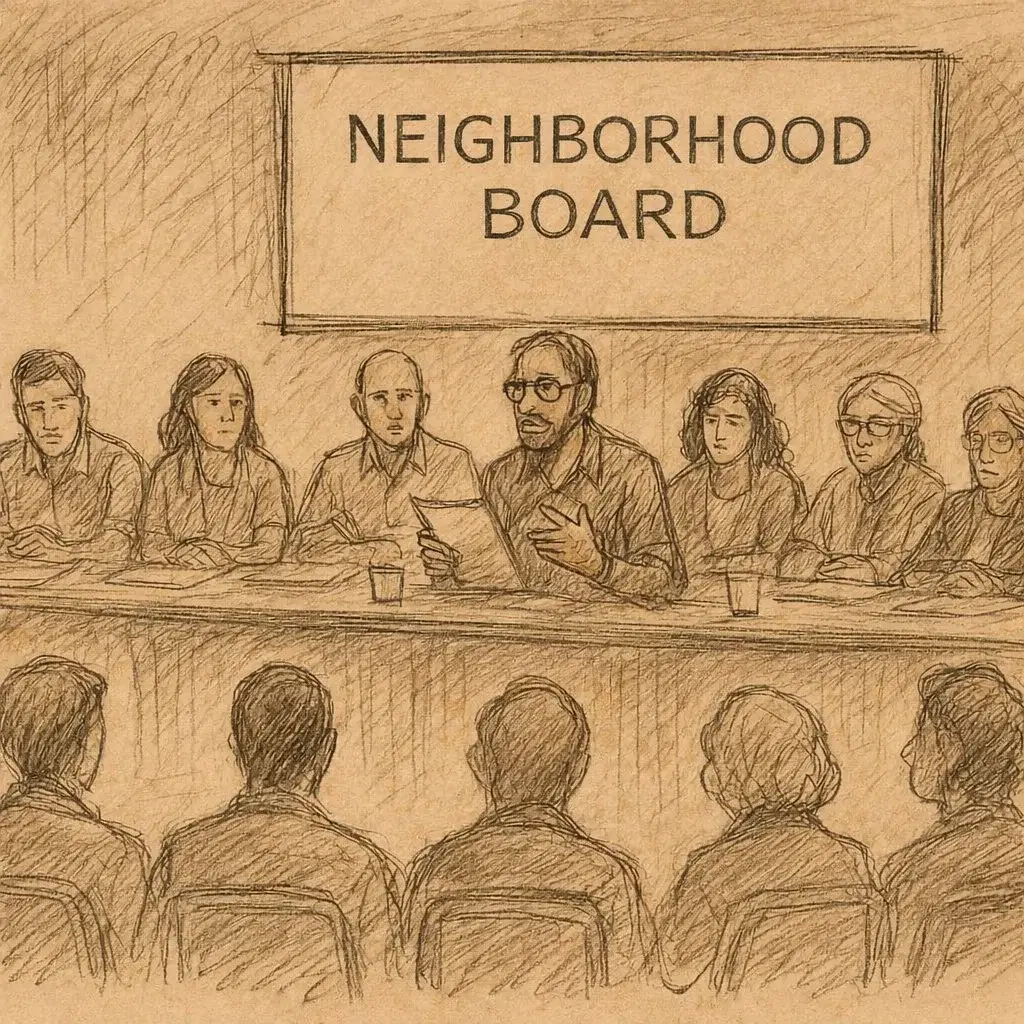
No 27 North Shore Neighborhood Board Regular Meeting July 2026
Listen to this article:
27 North Shore Neighborhood Board Meeting – July 30, 2026
Honolulu Fire Department Report
The Honolulu Fire Department reported confirmed incidents within the board district for June 2026. The area had no structure fires, one wildland or brush fire, eight nuisance fires, no cooking fires, and two alarm activations where no fire was found. Emergency responses included 43 medical incidents, four motor vehicle collisions, one mountain rescue, no pedestrian-involved collisions, no ocean rescues, and no hazardous-materials incidents. Residents were directed to HFD’s Fire Response Search Tool at fire.honolulu.gov for maps and additional incident details. With summer hiking activity increasing, HFD advised hikers to select trails appropriate to their abilities, review weather and ocean conditions, remain on marked trails, avoid taking risks for photographs, hike with a companion, tell someone their plans, and allow enough time to return before dark. Trail information is available through hawaiitrails.org.
Wildland Fire Risks on Fallow Parcels
A resident asked how the community should report fallow land covered with guinea grass, haole koa, or other vegetation that could create a fire hazard as conditions become drier in late summer and fall. The question also addressed how HFD prioritizes outreach to landowners responsible for reducing vegetation and fire risk. The HFD representative did not identify an existing reporting procedure during the meeting but agreed to forward the matter to the department’s Wildland-Urban Interface work group and seek guidance on how residents should report high-risk parcels.
Honolulu Police Department Report
HPD’s Waialua Station reported statistics covering June 27 through July 27, 2026. The North Shore recorded seven assaults, no robberies, five burglaries, 12 unauthorized entries into motor vehicles, and 28 motor vehicle collisions. Officers issued 90 traffic-crime citations, 499 parking citations, and 551 traffic-infraction citations, with the large number of parking citations believed to be concentrated around Waimea Bay and Shark’s Cove. HPD handled 846 total calls for service in the district during the reporting period.
Phone Spoofing and Financial Scams
HPD warned residents about telephone and text-message scams that use caller-ID spoofing to make communications appear to originate from trusted agencies. Residents were advised not to rely on the displayed number, not to return calls using numbers supplied in suspicious messages, and instead to find an agency’s verified contact information independently. HPD emphasized that residents should never provide personal or financial information during an unexpected call, send cash, or buy gift cards as payment. A current scam falsely claims to be from the DMV and threatens warrants or other penalties for unpaid balances. HPD explained that police and DMV personnel do not demand credit-card or gift-card payments by text; legitimate financial obligations generally become apparent during license or registration renewal. Suspected fraud may be reported to HPD, the Federal Communications Commission, or the Federal Trade Commission.
Traffic, Parking, and Patrol Concerns
Residents reported severe traffic backups caused by motorists stopping on Kamehameha Highway while waiting for parking spaces at Waimea Bay and Laniakea. At times, traffic reportedly backed up from Waimea Bay past the nearby church, while similar stoppages occurred at Laniakea when full parking areas caused drivers to block the travel lane. Multiple speakers asked HPD to keep vehicles moving rather than allowing drivers to wait in the highway. Another resident requested more frequent after-hours patrols around the Sunset Beach Texaco station, where vehicles and people reportedly gather after the business is closed. A community member also praised a local officer, identified as Lisa, for her involvement, responsiveness, and care for residents.
Ocean Safety Activity and Beach Hazards
Ocean Safety reported approximately 19,466 contacts or beach attendance interactions in the North Shore district during June 2026, along with 18 rescues and three major medical responses. The district extends from Kaʻena Point to the Heʻeia boat ramp. ʻEhukai’s Station 26 remained among the busiest locations, with 3,689 attendance contacts. Shark’s Cove recorded 2,240 contacts and continued to generate a large volume of first-aid cases, approximately 60 percent of which were attributed to sea-urchin injuries. Ocean Safety ordered additional five-gallon supplies of vinegar for treatment and plans to post sea-urchin warning information. A Blue Water Task Force volunteer confirmed that unusually large numbers of urchins had recently been observed in the area.
Beach-Specific Rescues and Wildlife Calls
Waimea Bay recorded 2,111 attendance contacts, with first aid commonly related to Jump Rock injuries, swimming incidents, and people stepping on fishhooks. Chun’s Reef remained heavily used by surf lessons and roadside visitors and had five rescues during June. Laniakea generated approximately 16 minor medical responses, often involving visitors falling or being injured while walking across reef to approach turtles. Ocean Safety reported a drowning and a near-drowning at Three Tables on June 1, with one incident apparently related to an underlying medical condition. On June 17 at Mālaekahana, an 11-year-old boy was found face down in the water; CPR was successful, and he regained a pulse, breathing, and consciousness. A 33-year-old man was also treated after a bicycle accident near ʻEhukai Station 26. Lifeguards responded to fishing violations, three turtle-related calls referred to NOAA and DLNR, two monk seal calls, and shark sightings at ʻEhukai and Ke Iki.
Water Main Breaks and Kona Low Billing Relief
The Board of Water Supply reported two main breaks during the preceding month. A four-inch pipe broke on June 23 at 61-104 ʻIliohu Place, and a six-inch pipe broke on June 25 at 67-106 Kuʻohau Street in Waialua. The agency also announced that it granted approximately $82,000 in billing adjustments to customers directly affected or displaced by the Kona Low storm. Depending on the extent of impact, some customers did not have to pay water charges for one or several months.
Polo Club Pasture Lease Proposal
Devon Dailey requested board support for a 25-year extension of the polo club’s lease on approximately 27 acres beside the Mokulēʻia polo field. The parcel, located on the Haleʻiwa side of the polo grounds, has supported horses and polo operations for more than 60 years and was previously part of Dillingham Ranch. It was approved for condemnation in 1986 and transferred to public ownership in the early 1990s, reportedly because of flooding concerns. The land is now owned by the Department of Parks and Recreation, and the current agreement expires in 2028. Existing lease periods are generally five years, while rent was described as approximately $4,000 to $5,000 per month. Dailey said the short term makes it difficult to plan for approximately 20 horses or justify investments in fencing, roads, drainage access, and other improvements.
Flood Management and Public Beach Access at the Pasture
The leased parcel functions as a flood basin for water coming from the Makaleha Valley and contains channels, berms, and retention infrastructure believed to have been developed in part by the U.S. Army Corps of Engineers. Dailey argued that grazing horses keep grass and brush low, help water move through the basin, reduce fire fuels, and preserve the land as open agricultural space. As a public benefit tied to a longer lease, the club proposed raising and improving the public beach-access path, which currently floods easily near the highway. Dailey estimated that the path may be obstructed by a roughly 100-foot-long pool of standing water about 10 percent of the time during winter and would likely need to be raised several feet while preserving drainage on both sides. A resident asked who is responsible for maintaining the Makaleha Stream mouth, where accumulated sand may worsen flooding. Dailey understood the state to be responsible near the beach and the city to have responsibility farther inland, while lessees maintain features within the pasture. He recommended reviewing and updating the historical drainage design to reflect current and projected water volumes.
Board Support for Long-Term Pasture Lease
The board’s Parks Committee had previously walked the site with Dailey and reported being impressed with the pasture management. Several speakers described the polo program as a longstanding community and agricultural asset that provides opportunities to learn horsemanship and helps preserve North Shore open space. Others questioned whether a major coastal property should remain under a private lease, what practical investments required 25 years rather than five years, and how public accessibility would be protected. The motion authorized a letter supporting a long-term lease that would keep the parcel open, agricultural, and publicly accessible, including through an improved beach right-of-way. The motion was adopted by a vote of 10 in favor and two opposed.
Alleged Land-Use Violations at 59-032 Kamehameha Highway
Phil Mizlinski presented a history of alleged chronic violations at 59-032 Kamehameha Highway, immediately on the Haleʻiwa side of Ted’s Bakery near Sunset Point. The property was purchased by Ahmad Ramadan in 2006 and has reportedly accumulated approximately 20 notices of violation and three notices and orders. Alleged violations have included unauthorized food trucks, residential use of a storage shed as an illegal accessory dwelling unit, unpermitted tents, grading, fences, electrical conduit, and shipping containers, including an effort to bury containers for aquaculture use. Mizlinski also cited an incident involving raw sewage flowing from beneath the alleged illegal dwelling toward the highway.
Unpermitted Construction and SMA Permit Dispute
According to the presentation, substantial construction began in 2022 without approved building or Special Management Area permits, although three septic-system permits had been issued by the Department of Health. Proposed or partially constructed features included a roadside stand, a vertical-farm structure with a 3,200-square-foot ground floor, mezzanine, and 4,800-square-foot roof deck, an agricultural equipment-storage building, three aquaculture ponds, a taro patch, 35 paved parking stalls, conversion of a storage structure into an ADU, and a crop-production deck. Work was allegedly conducted on weekends, holidays, and outside authorized hours before DPP issued repeated violations for a concrete masonry structure built without permits.
Septic, Aquaculture, and Mosquito Concerns
Mizlinski raised public-health concerns about septic leach fields being located near aquaculture ponds, a taro patch, and neighboring septic infrastructure. He cited federal guidance recommending 50 to 100 feet of separation between leach fields and aquaculture ponds and questioned why DPP and the Department of Health had not addressed the proximity. He also reported that the three ponds filled with stagnant water during the Kona Lows, creating possible mosquito-breeding areas. DPP issued a notice of violation on July 15, 2026, while DOH was expected to inspect. Mizlinski said lower-level construction activity had continued since May 16 despite the permit dispute.
SMA Revocation and Enforcement Motion
The owner first applied for an SMA permit in 2024, but the application was rejected as incomplete. A 2025 application valued the entire project at approximately $290,000 and was approved. Mizlinski appealed and sued DPP because the department did not initially have a process in place to hear the appeal. A general contractor retained by Mizlinski estimated the work at approximately $1.8 million and suggested that the final cost could be higher because the plans were immature. DPP revoked the minor SMA permit in April 2026, citing a material mistake of fact or material misrepresentation, and no major SMA application had been filed by the meeting date. The board unanimously adopted, 12-0, a motion to ask the mayor and managing director to review the owner’s violation history, investigate DPP’s enforcement failures, and direct DPP to issue cease-and-desist and demolition orders for structures built without permits. Members also connected the case to unresolved illegal landfill and land-use enforcement problems elsewhere in Waialua.
Mayor’s Office and Citywide Updates
Dr. Megan Fox summarized items from the mayor’s July newsletter, including city disaster-preparedness coordination, appointment of a former Smithsonian National Zoo director to lead the Honolulu Zoo, changes in the managing director’s office, enclosed refuse receptacles intended to improve cleanliness in Waikīkī, major infrastructure work in Kailua, and Honolulu’s recognition by Travel + Leisure as having one of the country’s leading public transportation systems. She also said responses were still pending from the Department of Facility Maintenance regarding several questions raised at the prior board meeting.
Lower School-Zone Speed Limits
Under Ordinance 24-32, the Department of Transportation Services is lowering school-zone speed limits on city roads from 25 mph when children are present to 20 mph from 6 a.m. to 6 p.m. on school days. Approximately 200 schools and thousands of signs are involved, and implementation will occur in phases over the coming year, beginning with public schools. Priority areas will be based on enrollment, Title I status, numbers of students within walking distance, grade level, crash history, and speeding data. DTS will replace missing, faded, and noncompliant signs within 1,000 feet of schools and request similar changes from state or other roadway owners where the city lacks jurisdiction. Residents highlighted the dangerous crossing at Sunset Beach Elementary, where monkeypod-tree shadows can make children difficult to see. They also asked the city to remove obsolete flashing school-zone signs and possibly an unnecessary speed hump at the long-closed Sunset Beach Christian School, and to correct Sunset Beach Elementary lights that activate on weekends or during school breaks.
Youth Climate Action Fund
The City and County of Honolulu and Honolulu Youth Commission opened applications for the new Youth Climate Action Fund. Oʻahu youth may receive up to $4,999 to design and implement a climate-related project. Applications are due September 7, 2026, with templates, examples, videos, FAQs, and other materials available at resilientoahu.org/YCAF.
Commercial Tour Enforcement at Puaʻena Point
In response to a complaint about continued commercial tour activity prohibited by Bill 38, HPD said officers monitor Puaʻena Point multiple times per shift. Although no unauthorized vending was observed during the reported checks, officers saw buses dropping passengers outside the park near McNaught Farm across from the parking-lot entrance. HPD will continue monitoring. DPR park rangers can educate visitors about park rules but cannot issue citations, so enforcement against unauthorized commercial activity remains HPD’s responsibility. DPR and HPD will continue coordinating on public safety and proper use of park property. A resident also asked whether community members could accompany or observe DPR visits, and Dr. Fox agreed to seek more information.
Haleʻiwa Beach and Puaʻena Park Closure Boundaries
DPR confirmed that the affected park areas are closed daily from 10 p.m. to 5 a.m. The department will inspect closure signs for removal or damage and submit work orders for replacement as needed. DPR also asked the Department of Design and Construction to prepare maps showing park and Puaʻena Point boundaries from several perspectives. Dr. Fox agreed to send the multi-page map package to the board.
Flood Debris, Disaster Planning, and After-Action Review
Residents requested updates on remaining Kona Low debris on agricultural land, in rivers, and throughout Waialua. They recognized progress removing deposited soil near Weed Circle but expressed concern that some trees appeared to be dying and asked for clearer, faster communication about the cleanup plan. Board members urged the Department of Emergency Management to incorporate community knowledge into the city’s formal after-action review rather than merely presenting a completed report afterward. Residents of Waialua Beach Road, Haleʻiwa Road, and areas near ʻŌtaki Camp were described as remaining vulnerable to flooding during hurricane season and winter. The board chair invited residents to community disaster-planning meetings held Mondays at 6:30 p.m. at the Waialua Community Association.
Parks, Lighting, Crosswalks, and Beach Facilities
Residents reported that overhead lights at the basketball and volleyball courts near the Sunset Beach Fire Station still do not work. Other requests included a crosswalk or raised crossing near the skate park, possible speed-calming measures, restrooms and showers at Chun’s Reef and Laniakea, and clarification about a long-promised public parking or park area near Velzyland. City officials said raised crosswalks are evaluated case by case. Residents also requested repairs to the deteriorating bus stop across from Ted’s Bakery and an emergency-access opening at ʻAweoweo Beach Park so response vehicles could reach the beach directly instead of navigating the crowded parking lot and a tight turn. Ocean Safety agreed to follow up with DPR regarding the emergency access.
Lifeguard Staffing, Towers, and Facilities
Residents pressed for a lifeguard tower at Ke Iki, describing it as one of the world’s most dangerous beaches, and asked about the status of the condemned or deteriorated Rock Piles lifeguard facility. Ocean Safety Chief Kurt Lager agreed that Ke Iki needs a tower and said it remains on the department’s list, although shifting sand and staffing shortages must be resolved. Every North Shore tower currently needs additional personnel. The chief said Rock Piles offers a useful view but is no longer functional for department needs. A resident urged higher lifeguard pay to address staffing shortages and the high cost of living. Ocean Safety intends to move personnel to the future Shark’s Cove first-responder property and use existing structures as soon as practicable.
Council Budget and Department of Economic Revitalization Cuts
Councilmember Matt Weyer reported that the council was one vote short of preventing an override of the mayor’s veto of cuts to the Office of Economic Revitalization. He called the elimination of filled positions and community services unprecedented and said the cuts delayed a small-business grant program responding to the Kona Low, jeopardized a planned Koʻolauloa incubator program, and affected efforts to pursue federal funding for stream cleanup and ditch maintenance. The administration is evaluating how to redistribute or continue the affected work. Weyer also recognized community equity liaisons and city staff who worked extended hours during the flood response.
Transportation and Community Appointments
Councilmember Weyer congratulated North Shore youth advocate Luca Cuniberti on his appointment to the Rate Commission, which establishes transit fares. Cuniberti said he hopes to represent youth, rural residents, and transit users and invited residents to contact him with concerns about bus fares. He also announced that Oʻahu Transit Riders, an organization he helped establish, expected to begin operations shortly with support from Ulupono and a nonprofit fiscal partner.
Conservation, Aquarium Fish, and Resilience Hubs
The council advanced Resolution 26-134 to use Clean Water and Natural Lands funding to acquire a conservation easement over Kīpuka Kaluāwilā in partnership with the North Shore Community Land Trust, Trust for Public Land, and the Office of Hawaiian Affairs. Resolution 26-161, addressing minimum standards for resilience hubs supported by $16 million in budget funding, was postponed while councilmembers work with the Office of Climate Change, Sustainability and Resiliency and the Department of Emergency Management. Weyer said the hubs are intended to improve storm preparedness and supplement limited shelter capacity. The council also advanced Resolutions 26-159 and 26-160 to prohibit collecting fish for commercial aquarium purposes. The measures would not prohibit subsistence fishing and are intended to protect reef health and the broader food system as the state considers resuming aquarium collection permits.
Transfer Station, Fire Station, and City Service Updates
Beginning August 1, the Kawailoa Transfer Station will accept green waste on Sundays and Thursdays from 7 a.m. to 6 p.m. Hawaiian Earth Products remains another disposal option. The Department of Environmental Services is evaluating whether the station can safely accept inert debris such as concrete, drywall, and glass. Acquisition of the Waialua Fire Station property was described as nearing completion, although no closing date was provided. City customer services is assessing how to remove an abandoned boat along Farrington Highway, a process expected to require solicitation and bids. A pothole near Three Tables was repaired, and the city and state continued coordinating soil removal at Weed Circle. On Kaukonoho Road, DFM installed a new lighting pole but discovered that the transformer also requires replacement; Hawaiian Electric approval for a secondary source was expected within several months.
Homelessness and Emergency Medical Services
The city, HPD, DPR, the Hawaiian Humane Society, Kealahou West Oʻahu, and other partners conducted cleanup and outreach at Puaʻena Point. Outreach workers said many unsheltered people are resistant to services, while those who accept help can face full shelters and a lack of permanent housing. The city’s CORE emergency-response program is gradually expanding farther into the district and can provide wound care, health assistance, and referrals for mental-health treatment, although clients may return to the street after treatment. A new ambulance assigned to Wahiawā was expected to improve regional coverage. Officials are also considering a paramedic SUV near the future Shark’s Cove hub and have discussed a North Shore emergency-medical substation, potentially incorporated into a larger first-responder center.
Shark’s Cove First-Responder Hub
A lengthy discussion concerned the city’s planned purchase of the commercial property across from Shark’s Cove for a first-responder hub. Supporters said the property is close to the coast, outside the primary tsunami inundation zone, large enough for staging and emergency operations, and contains structures that Ocean Safety hopes to occupy promptly. The property would support lifeguards and potentially other emergency services, with larger infrastructure such as a helipad requiring a longer timeline. Longtime North Shore residents described the ocean as central to community life but inherently dangerous and supported the project as a necessary public-safety investment.
Effects on Shark’s Cove Businesses
Employees and supporters of the existing businesses said closure would eliminate locally important jobs, fresh-food options, and one of the area’s few places to obtain surfing supplies. They asked why another public or private parcel could not be used and sought a way for the businesses to continue operating alongside the first-responder center. Councilmember Weyer said the property had been under discussion for several years, including during earlier plans for a shopping center that also would have displaced tenants. Other potential sites, including park and skate-park lands, had disadvantages such as location within the primary tsunami zone or legal limits on nonrecreational use. He characterized the transaction as a voluntary sale rather than condemnation and said the site’s location, existing infrastructure, and staging space made it unusually suitable.
Acquisition Timeline and Relocation Assistance
The administration said the city expects to complete the purchase later in summer 2026. Because of legal restrictions attached to the bond funding used for acquisition, the city cannot permit existing commercial tenants to remain on the property long term. After closing, tenants will receive the required 90-day notice to vacate. A relocation consultant has contacted tenants individually to explain available assistance, financial support, and the relocation process. DPR added that park lands are public-trust resources dedicated to recreation and generally cannot be used for permanent commercial operations. Ocean Safety clarified that it has no role in deciding whether vendors remain; it is only the future occupant and is preparing to move into the site when it becomes available.
Disputed Ownership of Buildings at Shark’s Cove
Liam McNamara repeatedly stated that his family company owns two of the four buildings included in the pending Shark’s Cove transaction and asserted that the other structures may be too deteriorated for immediate city use. He asked officials to determine whether the sale can lawfully include the family-owned improvements. Representative Sean Quinlan said he was not qualified to interpret how ownership of improvements by a lessee is treated when the underlying property is sold, particularly because this is a city rather than state acquisition, but offered to help investigate. Dr. Fox was also asked to obtain a city response.
Claims of Liens Against the City
Two in-person speakers asserted that they hold perfected liens totaling more than $50 million against the city, county, and state and argued that the obligations must be paid before the Shark’s Cove acquisition proceeds. They alleged that state and county auditors had refused to investigate and threatened foreclosure against property acquired by the city. The board did not evaluate the legal validity of the claims but asked the speakers to submit their documents and contact information so the appropriate agencies could research and respond.
Park Maintenance and Vegetation
Numerous residents reported overgrown vegetation. Requests covered Kaukonoho Road, the scenic approaches to Waimea Bay, Waialua District Park’s baseball fields, Sunset Beach’s school and soccer fields, and the exterior of newly fenced tennis, basketball, and volleyball courts. A Little League representative said outfield grass at Waialua District Park reached approximately knee height, making baseballs difficult to locate. Speakers noted that a community member who previously cut one field was told not to do so, leaving uncertainty about maintenance responsibility. The city agreed to determine which areas are city, state, school, or private responsibilities and to follow up with DPR and other agencies. At Haleʻiwa Beach Park Mauka, a volunteer maintenance group requested that depressions and a remaining stump from removed coconut trees be filled so mowing can continue safely.
Velzyland Public Park Condition
A board member revisited a condition attached to the Velzyland luxury residential development. Resolution 01-250, CD1, FD1, associated with an SMA approval issued in 2001, reportedly required dedication of approximately 1.5 acres at the Kahuku end of the property for public park use within about two years. More than two decades later, the public area remains gated and unavailable. Councilmember Weyer agreed to research whether the condition was fulfilled and what enforcement consequences apply when an SMA requirement remains unmet.
Bicycle Path Update
A community representative reported that the North Shore bicycle-path project is in the final planning and design stages. Bidding for the first of three phases may begin within approximately six months, with work expected to start near Shark’s Cove. A coordination meeting with city project personnel was scheduled for August 14.
Laniakea Project and Burial Discoveries
Representative Sean Quinlan reported that work at Laniakea had paused after multiple Native Hawaiian burials were discovered during construction. The state is consulting lineal descendants and the broader Native Hawaiian community regarding the significant inadvertent discoveries of iwi kūpuna. Quinlan said the delay is necessary to ensure culturally appropriate treatment before work continues.
Gondola Decision
Board members thanked DPP for its decision concerning the proposed gondola in the Kawainui/Kamananui area and asked whether an appeal had been filed before the applicable deadline. Councilmember Weyer agreed to inquire. Representative Quinlan stated that he had “banned gondolas,” reflecting state action against the proposal, and the board expressed approval of the outcome.
Other Roadside and Public-Space Concerns
Residents requested removal of an abandoned vehicle across from the Sunset Beach Texaco station that had reportedly been present for two weeks and was being progressively stripped. Another resident reported a pedestrian-related line or fixture hanging by a wire at the intersection of Pūpūkea Road and Kamehameha Highway. City and state representatives agreed to investigate these items. Community members also discussed the need for better legal and timely maintenance of roadside vegetation without resorting to unauthorized volunteer work.
Waialua High School Homecoming Parade
Waialua High School announced that its homecoming parade is planned for September 10 from 4 to 5 p.m. The route will begin at Waialua District Park, proceed along Goodale Avenue, and end at the high school gym parking lot. Roads will be closed shortly before the procession and reopened soon after it concludes. The announcement was made as part of the city and state permit process.
State Legislative Update
A representative for Senator Brenton Awa reported that July 15 was the governor’s deadline to act on legislation passed during the 2026 session. The Legislature passed 268 bills; 265 were signed, two were vetoed, and one became law without the governor’s signature. With the legislative session concluded, the senator’s office has shifted its focus to district projects, constituent assistance, community concerns, and monitoring implementation of projects and funding approved during the session.