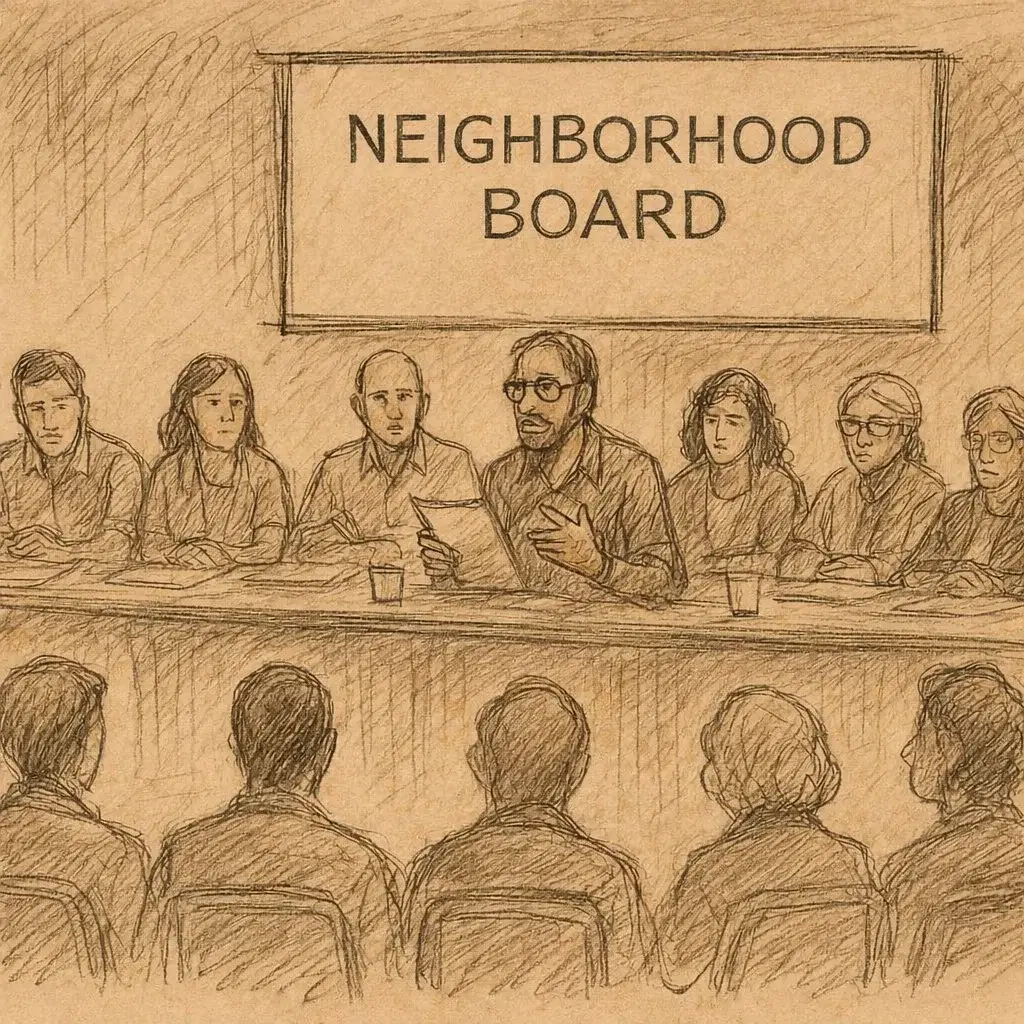
No 27 North Shore Neighborhood Board Regular Meeting May 2026
Listen to this article:
27 North Shore Neighborhood Board Meeting – May 27, 2026
Rumor Clarification on Visitor Shuttle Land Purchase
Karen Gallagher, president of North Shore Transportation Alternatives, opened by directly disputing a claim published in a Star-Advertiser article that suggested Representative Sean Quinlan was proposing a visitor shuttle system using a seven-acre parcel near Weed Circle that the nonprofit was supposedly in the process of buying. Gallagher stated unequivocally that the organization is not purchasing that parcel or any other property, emphasizing that the group currently has only $5,012 in its bank account and consists of longtime North Shore residents committed to broad community consultation before advancing any transportation proposal. Her remarks were meant to stop speculation before it gained traction and to reassure residents that no land acquisition or transportation project is being pursued without public discussion.
Community Thanks for the Haleʻiwa Beach Park Mauka Hālau Waʻa Project
Larry McElhenney and Cora Sanchez thanked Mayor Rick Blangiardi, Managing Director Michael Formby’s team, Laura Thielen, Department of Parks and Recreation staff, and many city employees for moving the Haleʻiwa Beach Park Mauka hālau waʻa project forward. They singled out parks employee Denny Higa for hands-on stewardship work, including clearing the park with a weed eater, and also recognized years of volunteer labor by community members and groups including Cora and Tony Sanchez, Walter Woods, local canoe clubs, Hui O Heʻe Nalu, Mālama Loko Ea, Patagonia Hawaiʻi, and many neighborhood volunteers. They described nearly 15 years of effort to preserve the area as public open space and maintain the possibility of a future hālau, framing the project as the result of long-term community stewardship rather than a new top-down initiative. They urged continued city collaboration with canoe clubs, practitioners, and stakeholders so the final design, placement, and management reflect local traditions and use patterns.
Kīkaʻapoi / Kākaʻako? Watershed Farming Assistance Announcement
Sophie Moser, speaking for Agriculture Stewardship Hawaiʻi, announced a new three-year watershed conservation project serving farms within the Kaiaka Bay watershed, extending from Wahiawā to Waialua. She said the effort will provide conservation plans at no charge and offer both technical and financial assistance for practices intended to improve water quality by reducing erosion and runoff into streams. Eligible work could include sediment basins, ground cover, and other erosion-control measures. She said approximately $90,000 is available for farms in the watershed, with the application period expected to open at the end of the following month. The announcement linked agricultural support directly to stream and coastal health, and the board connected her with its water and land committee chair for follow-up outreach to area farmers.
Mayor’s Return Visit After the March Flood Disaster
Mayor Blangiardi said he came back almost exactly two months after the devastating March Kona low flooding to listen, assess what remains unfinished, and hear what additional recovery needs persist beyond the initial cleanup. He described the area as looking markedly more normal than it had immediately after the storm but acknowledged that recovery is not complete simply because debris has been removed. He emphasized that the city had listened carefully during the previous tense meeting held 48 hours after the storm and had acted on nearly every item it could. He said the city intended to keep responding to ongoing concerns and that this meeting was part of that continued commitment rather than a one-time appearance.
Flood Response and Stream Dredging Operations
Deputy Director Warren Mamizuka of the Department of Facility Maintenance gave the most detailed operational update of the evening, describing the city’s emergency response after the March 20–22 Kona low. He said city officials began assessing damage immediately and that he met with State Department of Transportation Director Ed Sniffen on March 24 to coordinate stream work and broader cleanup. Since then, city and state crews have dredged the Kaukonahua Stream beginning on the mauka side, then moving makai of the bridge, then into the reach behind Otake Camp and the Haona Street area. Mamizuka reported that behind Otake Camp crews removed roughly 1,500 to 2,000 truckloads of material, while in the Haona area they removed over 3,500 truckloads on one side alone. Altogether, he said the city had hauled out about 5,400 truckloads of debris, mud, and silt. He described an island in the stream that had built up over years or decades to four to six feet above the water, requiring the creation of a temporary crossing using five 24-inch culverts, large rock fill, and steel plates so equipment could access the site. He said the city expected to finish active dredging by the coming weekend, then clean and grade the access route, remove the temporary crossing, and continue drainage improvements including swales at four storm drains discharging into the stream near Haona to improve future outflow.
Seven-Day Emergency Work, Interagency Cooperation, and Ongoing Cleanup
The mayor said Mamizuka had effectively been assigned full time to the North Shore response, working seven days a week and reporting multiple times a day while the city concentrated major resources here. Mamizuka said city operations had deployed between 12 and 23 trucks daily and worked seven days a week through the emergency period. Blangiardi described the response as unprecedented and praised cooperation from the governor, Ed Sniffen, the National Guard, Army, Navy, volunteers, and residents. He framed the response as an all-hands effort undertaken out of respect for the scale of the disaster and the needs of the community, stressing that the city did not intend to stop short if unfinished work still posed risk.
Storm Scale and Why Officials Considered It Exceptional
The mayor said the University of Hawaiʻi characterized the event as a 500-year storm. He cited figures that at one point statewide the storm dropped 2 trillion gallons of water, equivalent to 7.5 trillion liters, and that rainfall intensity reached 7 inches per hour during the Kona low. He described it less as rain than as a river falling from the sky and said he considered it extraordinary that no one died, calling that outcome a miracle given the level of flooding and the rescues and emergency actions taking place. This framing was important because many of the later discussions centered on whether infrastructure and warning systems were inadequate, and the mayor’s position was that the event was both severe enough to overwhelm existing systems and serious enough to require long-term changes.
April Follow-Up Storm and Drainage Performance
Mamizuka said the city and state also prepared for the April 10 storm, which was less intense than the March event but still threatened newly damaged areas. He and Ed Sniffen drove through Wailua and along Farrington Highway to dig out ditches, open Makaleha Stream, and clear the stream crossing near the area on Wailua Beach Road that frequently floods and requires pumping. During the April rain they observed the stream flow directly from Kaukonahua Bridge and saw that Haona drains were clear, Farrington Highway ditches were functioning, Makaleha was flowing to the ocean, and another cleared stream crossing was also working. He said residents had still been shoveling in some places, but the city sent equipment to take over when possible. The implication was that emergency clearing before the second and third rain events likely prevented another round of catastrophic flooding in the same locations.
Weed Circle Sediment Storage, Testing, and Tree Concerns
A major practical issue was the enormous pile of dredged soil stored at Weed Circle. Mamizuka said the state would begin contaminant testing there, with Department of Health sampling expected to take about a week. He reported preliminary verbal results indicated contaminant levels were well below concern thresholds, with only low leptospirosis readings mentioned. Once testing is complete, the soil is expected to be made available for reuse. Both Mamizuka and the mayor said there is already strong demand for the material, including from developments and potentially farmers, and they are open to giving or selling it in some combination simply to get it moved. The board chair suggested giving dirt to the community and selling to developers. Carol Antolini later warned that if dirt remains mounded around Weed Circle trees for several months it may kill them, because bark-level circulation is being smothered. City officials said the circle would be restored and the mud around the trees removed, but acknowledged the urgency of the issue.
Farmer Access Roads and Agricultural Recovery
Farmer Frank Tramontano from Ranch One on leased land off Farrington Highway said about 36 small farmers had previously relied on two access roads, known as Road A and Road B, but one had been lost after storm work. He stressed that two roads are needed for fire safety, emergency access, and practical farm operations. Mamizuka recognized the location and said the city had to remove a culvert on Road A because it was not functioning but planned to reset it and restore that road as part of cleanup. Later in the meeting, both Mayor Blangiardi and board members returned to the struggles facing the agricultural community, especially elderly farmers, undocumented workers, people with limited English, and those lacking technology access. The mayor said a large cross-sector group had been meeting to support farmers and stressed that the city understands the district’s importance as Oʻahu’s food-producing region.
Emergency Proclamation Extension and Why It Matters
Resident Barb Lugo asked whether the governor’s emergency proclamation, then set to expire in early June, would be extended because so much work remained unfinished. The mayor and managing staff said their expectation, based on experience and discussions with the governor’s office, was that the proclamation would continue to be extended. This mattered because the city’s current dredging authority and emergency work pace depended on those emergency powers. Later in the meeting Mamizuka explained that crews were working on “borrowed time” under the emergency proclamation and that once it lapses they may have to stop and obtain normal federal and regulatory approvals, including from the U.S. Army Corps of Engineers, a process that could take considerable time.
Sirens, Warning Systems, and Public Confusion During Floods
Several residents raised concern that no warning sirens sounded before or during the floods. Barb Lugo asked what kinds of emergencies currently trigger sirens and whether procedures might change. The mayor said this had been one of the more controversial issues in post-storm review. He explained that one reason given at the time was that first responders believed people might be safer staying in place because conditions were too dangerous for evacuation, but he acknowledged he personally still leaned toward giving people more warning and said siren policy should be revisited. The board chair added that residents also complained the siren tones do not distinguish between tsunami, earthquake, or other hazards, leaving people confused in the middle of the night. The mayor said some sirens are reportedly not functioning and need repair. Later, a resident said sirens may be able to be retrofitted with voice messages to provide hazard-specific instructions, an idea the mayor said should be explored.
Runoff, Storm Drains, and Street Flooding on Haona and Nearby Areas
Resident Ed Subia of Haona Street said that while dredging behind homes had been extensive and appreciated, his house was nearly flooded not only from the stream but from runoff off the road during all three recent Kona low events. He described his home as the lowest point on the street, with storm drains spaced every four houses but not effectively capturing the flow before it entered his yard. The city said it would log his address and have Facility Maintenance follow up. Other residents raised similar concerns about road runoff, drainage design, and historic drainage ways that had been filled in over time. Milton Nahinu said a ditch mauka of Farrington Highway near Wailua United Church of Christ had been pumped out during the later storm but boiled over again within half an hour of rain, and he noted that an older plantation-era ditch system that once conveyed water from plantation road toward the church area had since been flattened, potentially contributing to flooding. He also pointed to still-present orange warning barriers along the ditch and questioned whether additional dredging or design changes were planned.
Otake and Riverfront Residents Describe Repeated Flooding and Demand Investigation
Grace, a resident of Otake whose home sits directly on the river and had struck trees before the bridge during flooding, delivered one of the evening’s most emotional testimonies. She said she and others had been flooded three times and had sought warnings about water discharges as early as May 2024, asking for advance notice if reservoir water below the dam was to be released. She called for an investigation into what she described as BLNR or reservoir-related discharge issues, said she lost everything, and stated that five feet of mud had filled her backyard. She also said there had been no warning in any of the three flood events and that she and a neighbor had to call 911 while fearing they might die. Her testimony made clear that for some households the issue is not only post-flood cleanup but the unresolved question of how water management decisions, upstream landslides, and releases may have compounded flood impacts.
Questions About Sediment Sources, Landslides, and Upstream Land Disturbance
Another resident, Steph, asked whether any investigation had been launched into why so much soil and sediment came downstream into homes. She said there had been 11 landslides mauka, that those slides effectively dammed Kaukonahua Stream, and that when water was released it behaved like a wall of water. She argued that preventative work should examine the origin of the sediment and referenced concerns that grading related to a proposed 2,500-acre gondola project may have occurred in the same upland area where landslides happened. The mayor said he did not know whether such an investigation was underway and promised to find out. Her testimony linked flood recovery to broader land use and slope management issues well beyond the stream channel itself.
Requests to Extend Dredging Further Downstream Toward Kaiaka
Residents including Derek Gumiel urged the city not to stop stream work too soon. Gumiel, who lives at the end of Long Bridge and said he has dealt with these issues for 20 years, asked how far downstream crews would continue because he believes sections remain plugged and could negate upstream dredging if left untouched. Board leadership added that State DOT Director Sniffen has said plans include dredging Kaiaka Bay itself, and the chair asked that this be noted publicly. The mayor responded that the city did not want to leave behind hazards that would create further liability and said if work truly remains necessary he wants to know that, though resource limits are real. This exchange showed a shift from emergency cleanup to a broader watershed-scale expectation from residents.
Streambank Stabilization Near Hawa Nua and Agricultural Lands
Rafael Maldonado of Hawa Nua Street asked about a corner near the temporary crossing built to access the dredging area, arguing that the bend in the stream had held back water coming from Otake and contributed to backups. Mamizuka responded that much of that obstruction had already been removed and that crews planned to “soften” the embankment further to improve flow alignment. He also said the city was working near Paul Lindo’s farm, where significant property had been lost, and planned to transport large boulders from another dump site to armor the bank and reduce additional erosion, though the lost land itself could not realistically be recovered. When asked about work on the opposite agricultural bank extending all the way toward the ocean, Mamizuka said that was not currently in the plan but the city hoped to continue work if possible.
Debris and Trees Still in the Bay Near the Canoe Club
Board member Leif Anderson asked whether there were plans to remove debris and even trees that had washed into the bay in front of Manu O Ke Kai Canoe Club. The mayor said he was not aware of any current plan for that but would have the issue noted for follow-up. The question broadened the recovery discussion from streets and streams to navigational and recreational effects in nearshore waters, especially in areas heavily used by canoe paddlers and youth programs.
Positive Feedback on Community Assistance Centers and Navigators
Several speakers praised the city’s flood assistance and recovery setup. One resident thanked the city for Rebuild Oʻahu events held locally and in Lāʻie and singled out DPP Director Dawn Takeuchi Apuna and her team for coordinating agencies. Manu Anana of Haleʻiwa Road, whose house took in 20 inches of water despite running two sump pumps, publicly thanked the city for clearing the drain by Aliʻi Beach Park and said the proof it was functioning was that water was visibly flowing to the ocean. She also strongly praised the workers stationed at the Wailua distribution and assistance center for walking traumatized residents through the process respectfully and patiently when they were emotionally overwhelmed. The mayor credited Maka and Napua Kastenfischer and others for helping organize a navigator system and said he had heard many compliments about it.
Questions About Who Is Managing Recovery Casework
Despite praise for the assistance center, residents and board members said case management for recovery remains confusing. One speaker asked who is ultimately coordinating rebuilding and whether Catholic Charities or another nonprofit is handling the central case-management role, noting that many nonprofits have stepped in with overlapping forms of relief. The mayor said Catholic Charities was involved but he had lost track of the full nonprofit landscape and would get a clearer answer back to the community. Later, Carol Antolini said the farming community in particular still seems adrift, with many residents not at meetings and struggling to navigate services. The mayor acknowledged barriers related to language, documentation status, fear, age, and access, and said the city is trying to overcome those without penalizing vulnerable people who come forward for help.
Long-Term Watershed Planning and Community Involvement in After-Action Review
Board members emphasized that immediate dredging and cleanup must connect to long-term planning. One member referenced the 2018 Kaiaka watershed study and the need for city-state-Army Corps coordination on a durable action plan, noting that Councilmember Matt Weyer has proposed city matching funds for Army Corps work. The same speaker also urged that the community be included in the formal after-action review process because local residents hold critical information about what happened on the ground. The mayor agreed that learning from the event is necessary and that concerns raised at the meeting would be logged for follow-up.
Waimea and Other Drainage Infrastructure Questions
A board member from the Waimea side asked whether there is any way to divert long-established storm drains that now send water directly toward developed areas like Foodland and neighboring properties, noting that houses were built after some of these drainage systems were originally installed. Mamizuka was not prepared to answer in detail and said the city would look into it. The exchange reflected a recurring theme throughout the meeting: some flood impacts are being tied not just to clogged infrastructure but to legacy drainage designs that no longer match current land use.
Haleʻiwa Beach Park Mauka Hālau Waʻa Project Update
After the mayor’s departure, District 4 Parks and Recreation Manager Jason Wall presented an update on the proposed Haleʻiwa hālau waʻa on the mauka side of Haleʻiwa Beach Park. He said the project, which has been discussed for roughly 20 years, is now moving forward through the city’s Department of Design and Construction with consultant Group 70. The current stage is planning and design rather than imminent construction, with a tentative timeline pointing to 2029 if all goes well. The handout showed two alternatives because the environmental assessment requires more than one option, but Alternative A is the preferred path. Wall said this option offers two access points, more parking, and closer proximity to current canoe club operations. Consultants also showed a possible future high-water line related to sea level rise, but he said there was confidence that the facility, if built, could remain viable for 80 to 100 years.
Parking, Canoe Club Input, and Design Concerns for the Hālau
Board members questioned how parking at the future hālau would be protected from general beach or restaurant spillover use, especially if the lot is intended to support canoe clubs. Wall said city park parking is generally for park users and realistically cannot be policed as dedicated canoe-club-only parking, though truck-and-trailer spaces are expected to be specifically designed into the project. Board members also asked whether canoe clubs and paddlers had been consulted. Wall said he had personally met with canoe users and communicated their feedback to Group 70 and the city project manager. Questions were raised about whether the canoe community could help physically build the facility to speed the timeline, but Wall said the city already has a formal capital improvement process underway with consultant, design, and future construction funding lined up, making this a conventional city project rather than a grassroots build. Additional concerns included the need for signage honoring the space’s purpose, commercial spillover from nearby businesses, and whether one crosswalk would be enough for safe access across the road. Staff said these design issues can still be raised through the environmental review process.
Environmental Assessment Process for the Hālau Waʻa
Parks staff member Dori explained that the project is still in the process of preparing its environmental assessment and that the draft will eventually be publicly posted with a 30-day comment period. The board asked to be notified when that comment period opens so the community can raise concerns and shape the project while options are still flexible. The board viewed the EA process as especially important for addressing traffic, parking, signage, and compatibility issues before the design is finalized.
Special Management Area Permit for 61-59 Papailoa Road
Planner Jim Hayes presented a proposed Special Management Area major permit application for improvements to a property at 61-59 Papailoa Road on the makai side. He said the existing dwelling dates to 1961 and the owner wants to renovate rather than replace it. The proposal would replace an old open carport with a garage and add approximately 400 square feet of living space above it. The house itself would undergo interior modifications, and part of an existing deck would be enclosed, adding roughly another 200 square feet of interior space. Hayes said no development is proposed within the shoreline setback area or the sea level rise exposure area and that the parcel, about 17,000 square feet, easily complies with land use ordinance standards. He said the SMA application would soon be filed with DPP, followed by a hearing at Honolulu Hale and later City Council zoning committee review.
Cultural, Archaeological, Wastewater, and Shoreline Questions on Papailoa Road Project
Board members questioned the project closely. They raised the need for archaeological review, cultural sensitivity, and on-site monitoring during excavation because that stretch of shoreline is known for cultural resources and subsurface discoveries even with limited disturbance. Hayes said the garage is sited where the existing carport already disturbed the ground, which should reduce impacts, but confirmed the project would go through the standard State Historic Preservation Division review and likely archaeological investigation. Questions were also asked about wastewater handling and the project’s valuation, with Hayes saying final cost estimates were still being developed but expected to exceed $500,000, which is why an SMA major permit is required. Members also challenged the use of an older certified shoreline and asked why no recertification was needed; Hayes said the improvements are behind the “waiver line,” meaning outside the area requiring a new survey. Another board member expressed skepticism that such modest improvements would follow a recent $6.5 million purchase unless this were only a first phase of larger future plans. Hayes said he was not aware of any broader redevelopment intentions.
Board Changes Its Approach to SMA Reviews
Rather than vote support or opposition on the Papailoa SMA request, the board adopted a different procedure in response to past experiences where projects later changed significantly after initial neighborhood board presentations. The chair said previous proposals had come before the board in one form and later reappeared at DPP or City Council with substantial changes, undermining community trust. The board therefore voted not to endorse the project but to formally acknowledge the presentation and notify DPP and the City Council that if the project later deviates from what was presented at the meeting, the applicant should be sent back to the neighborhood board to explain the changes. The board indicated this may become its standard practice for future SMA cases.
Vacant Kawailoa Board Seat
The board announced that the Kawailoa seat remains vacant and asked whether anyone present wished to serve. No one came forward, so the vacancy will remain on future agendas. While brief, the item reflected an ongoing challenge for neighborhood boards in maintaining full representation across districts.
Board of Water Supply and Earthquake Mention
The board noted there had been no report of problems from the Board of Water Supply following a recent “Shake, Rattle, and Roll” earthquake event. The chair said no issues had been brought to her attention and joked that she had not even felt the earthquake herself. The exchange was minor but fit into the broader theme of emergency readiness and infrastructure resilience that ran through the meeting.
Department of Community Services Follow-Up and Oʻahu Food Systems Plan
Dr. Kēhaulani “Kealoha” Fox said the city had sent a memo dated May 26 summarizing responses to the many flood-related concerns raised at the previous meeting. Because so many issues overlapped across departments, the follow-up was organized as a summary rather than the usual question-by-question format. She invited feedback on whether that format was useful and said new comments gathered at the meeting would be entered into the city’s tracking system immediately. She also promoted the city’s first Oʻahu Food Systems Plan, describing it as especially relevant after food access emerged as a major issue during flood recovery. Public comments on the draft plan will be accepted through June 30 at resilientoahu.org/foodsystemsplan, and she urged North Shore residents to engage as they had with the North Shore Sustainable Communities Plan. Later, the board noted DPP is expected to return in September for a fuller discussion of the North Shore plan rollout, which had been delayed.
Councilmember Matt Weyer’s Budget Priorities and Flood Recovery Information
Kelly Anaya from Councilmember Matt Weyer’s office highlighted several budget-related items and flood recovery resources. She said Weyer added $1.5 million as the city’s cost share for a federal Army Corps study of the Kaiaka Bay watershed, a key long-term planning step repeatedly referenced during the meeting. He also added $1 million for food access programs serving kūpuna, aimed at keeping seniors nourished and socially connected. She reminded residents that both FEMA assistance and Small Business Administration disaster loan applications have a June 14 deadline, with help available at the old Waialua courthouse and at Wailua United Church of Christ. She also said city real property tax remission applications for storm-damaged properties are due June 30 through oneoahu.org and that Board of Water Supply customers with flood-related damage may qualify for March and April bill credits through the agency’s “wecare” email. In a delayed response to an older board request, she said DTS had concluded pedestrian counts at Haleʻiwa and Paʻalaʻa Roads did not justify a marked crosswalk there, though the Haleʻiwa multi-use path project may include a raised crosswalk near Haleʻiwa Elementary and possibly the school exit if feasibility checks support it.
State Legislative Session Update and Solar Tax Credit Issue
Representative Amy Perruso gave a broad legislative update and said the session produced some worthwhile outcomes, though much remains to analyze. She focused particular attention on SB3125, the state budget bill, which she said failed to include a safe harbor for solar tax credits tied to projects already underway at the start of the fiscal year. She warned that as a result about $400 million in projects and hundreds of jobs are now in jeopardy and said House members are pushing for a special session to enact a quick fix. Later in the meeting, staff from Senator Brenton Awa’s office was asked whether the senator would support returning for such a special session, and the response indicated he would.
School Flood Damage Repairs and DOE Funding
Representative Perruso said she had spoken directly with the Department of Education superintendent during graduation season and had been assured that Waialua High and Intermediate School has adequate funding to repair flood damage. She told the community the campus will be made whole and that residents do not need to worry that this particular public facility will be left behind in recovery.
Legislative Interest in Stream Management Reform
Perruso said her office will spend the next few weeks canvassing the district for input on changing state law governing stream management. She said current law places responsibility on private property owners along streams, creating inconsistency and public risk when upkeep varies from parcel to parcel. She wants to revisit that legal framework and also examine whether the Commission on Water Resource Management can play a stronger enforcement role. The chair cautioned that simply shifting responsibility to government is not enough if agencies lack staffing and follow-through, noting that some state-managed stream sections are no better maintained than private ones and that CWRM itself is understaffed. Perruso agreed the issue is complex and said she wants community-driven input before drafting legislation. Board members asked for a future briefing to help residents better understand current law, why it was adopted, and how it is or is not working.
Proposed HART/Disaster Preparedness Work
During discussion of Perruso’s update, the board chair said the neighborhood board will soon consider a resolution related to the Kaiaka Bay study and plans to begin a HART preparedness effort, temporarily pausing health and disaster preparedness committee meetings to focus on this state program. The chair said much of the gap exposed by the floods involved post-event coordination rather than pre-event awareness, and the board wants to strengthen preparedness accordingly.
OBGYN Fertility Fraud Legislation
Representative Perruso also addressed a separate but serious issue affecting district families, referencing a recent Civil Beat report involving an OBGYN physician found to have used his own genetic material in fertility treatment cases without consent. She said her office is drafting legislation to explicitly criminalize that behavior and establish legal penalties because current law lacks a clear framework. She urged affected families to contact her office confidentially so lawmakers can better understand the scope of harm and tailor the legislation accordingly.
Senator Brenton Awa’s Session and Disaster Assistance Update
A staff representative for Senator Brenton Awa reported that the 2026 legislative session ended with 267 bills passing to the governor, with more awaiting final action before the July 15 deadline. He highlighted SB2471, a campaign finance reform bill restricting corporate political spending, as one Senator Awa strongly supported. He also mentioned recently signed laws intended to preserve family tax relief, protect SNAP and healthcare funding, expand some commercial driving opportunities for younger workers, and strengthen port oversight. On disaster recovery, he reiterated that FEMA assistance for Honolulu, Maui, and Hawaiʻi counties had been extended through June 14. He also noted that the Office of Hawaiian Affairs opened its 2026 Kona Low General Disaster Assistance Program on May 16, offering grants of up to $15,000 for eligible homeowners and up to $7,500 for renters, though in response to a question it was clarified that OHA eligibility requirements apply.
Ropeway and Gondola Ban Bill Advances
Near the end of the meeting, the board chair updated attendees on state legislation banning ropeways, gondolas, and tramways on Hawaiʻi mountains. She said the bill, identified as 1881 during discussion, has passed the Legislature and now awaits the governor’s signature. She said opponents connected to promoter Skip Taylor were still trying to persuade the governor to veto it, including by posting appeals on a mainland ski-lift industry blog and soliciting comments from people outside the community. The chair said she had already alerted the governor’s chief of staff and would send a formal support letter urging signature. She also noted that DPP’s review of the original local permit remains pending and may be influenced by whether the governor signs the bill, but the board still hopes DPP will ultimately rescind the permit.
Meeting Close and Administrative Business
The board approved the March 24 minutes as amended after noting a correction to the original construction date of the dam mentioned in those records. With no objection, the meeting adjourned about 10 minutes early. The overall tone of the evening combined gratitude for the intensity of the emergency response with persistent concern that key issues remain unresolved, especially long-term watershed management, warning systems, stream authority, agricultural recovery, and the need for accountability as recovery shifts into planning for the future.