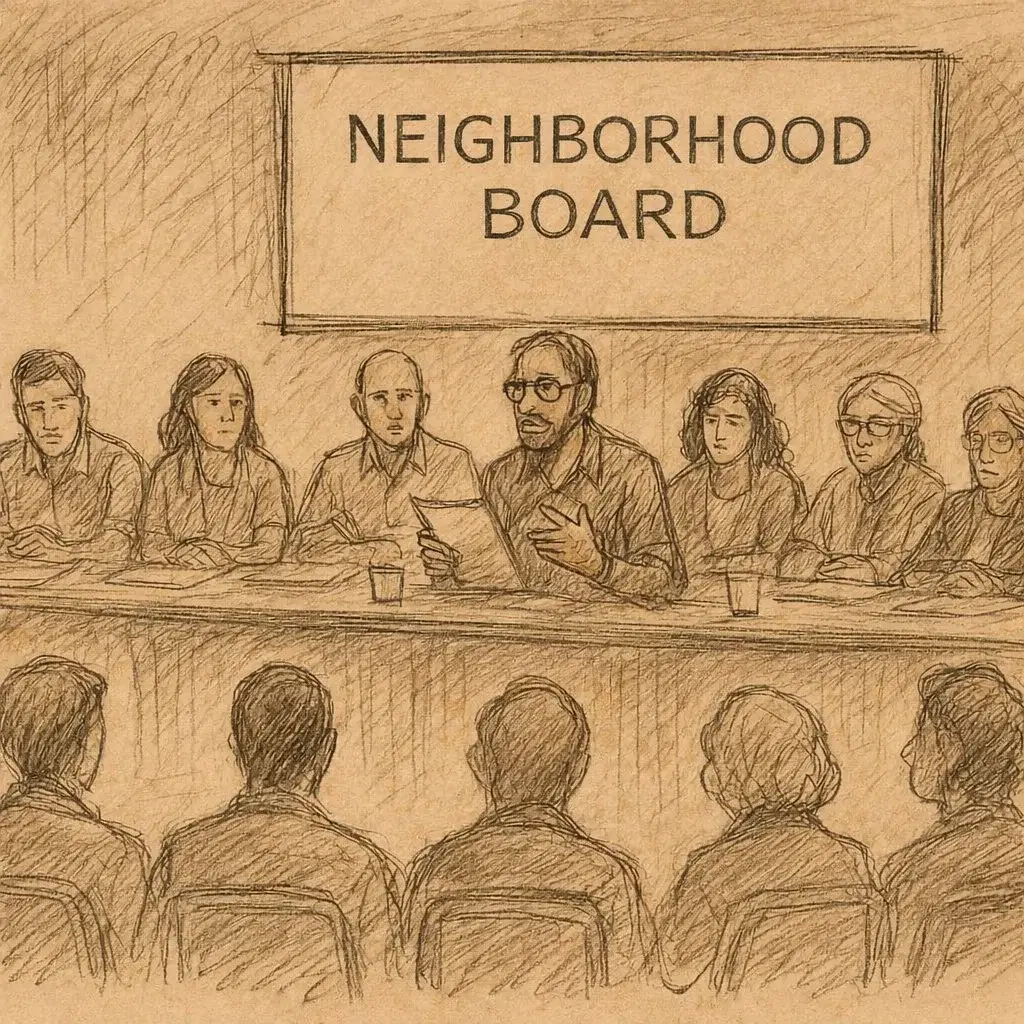
No 34 Makakilo Kapolei Honokai Hale Neighborhood Board Regular Meeting September 2026
Listen to this article:
34 Makakilo-Kapolei-Honokai Hale Neighborhood Board Meeting – September 24, 2026
Honolulu Police Department Crime and Service Statistics
Sergeant Fumi Morooka of the Honolulu Police Department’s District 8 Community Policing Team reported August 2026 statistics. District 8 recorded 14 motor-vehicle thefts, including five in Kapolei; 22 burglaries, including eight in Kapolei; 100 thefts, including 41 in Kapolei; and 11 unauthorized entries into motor vehicles, including five in Kapolei. Officers issued 1,760 citations during the month. HPD received 8,450 calls for service districtwide, with 3,117 in Kapolei. Morooka said the figures showed little change from previous months. With additional storms potentially approaching, she advised residents to stay off the roads unless travel is necessary, noting that HPD routinely receives calls during storms involving fallen trees, disabled traffic signals, and hazardous travel conditions.
Kapolei High School Tardy and Truancy Operation
Residents questioned the large HPD presence during an unannounced tardy operation at Kapolei High School, which some students reportedly interpreted as a response to a gun or other campus emergency. Sergeant Morooka explained that officers were supporting school staff in addressing students who arrived on campus but did not report to class. Approximately 263 students were directed to Building M, where school employees checked their status, recorded their tardiness, issued passes, and warned them to attend class. No arrests or enforcement actions occurred. By the next class break, the number of students out of class reportedly fell from 263 to 13, which HPD viewed as evidence that the intervention had an immediate effect. Family Court probation officers were present as observers, but no students were referred into the court system.
HPD said each involved student was identified and parents were to be notified, while Principal Wesley Shinkawa would evaluate whether another operation or stronger school consequences, such as detention, were needed. A parent disputed that adequate advance or follow-up communication had occurred, saying neither she nor the broader school community had received a mass notice and that some teachers had historically allowed students to arrive slightly late when completing work in another class. She said the sudden police presence frightened students who remembered previous gun-related incidents. Morooka responded that the operation was intentionally not widely announced so it could accurately address the behavior, but said the school was preparing a broader notification.
Board member Dr. Amy Bosler suggested that teachers identify the adults most likely to influence individual students, such as an auntie, uncle, minister, or mentor, because contacting overworked parents may not always produce change. HPD also confirmed that students on an “off-track” schedule were identified through their school IDs and were permitted to remain in a designated area near the administration building. The students sent to Building M were those who were late or improperly socializing outside class. Morooka noted that HPD has conducted truancy sweeps at Campbell and Farrington high schools and that school resource officers in Waiʻanae, Nānākuli, and other districts have reported similar problems. Unlike some past sweeps that involved status-offense arrests, the Kapolei operation was educational and preventive.
Board member Moon Kahele questioned whether officers should be used for school attendance matters rather than traffic, signage, and public-safety enforcement. Morooka said HPD is moving toward a school-resource-officer model centered on mentoring, relationship-building, early intervention, and campus safety. She said officers or contracted retired officers can help prevent routine incidents from escalating, reduce the burden on patrol officers, and provide trained responses to violent situations involving weapons.
Makakilo Drive Speeding, Parking, and Emergency Access
Residents described dangerous conditions on Makakilo Drive and near Kanehoa Loop, including vehicles reportedly traveling downhill at 50 to 70 miles per hour, blocked sightlines, recent multi-vehicle crashes, damaged signs, and children walking near fast-moving traffic. One resident said motorists pulling out near the Kapolei fire station must edge into traffic because parked vehicles obstruct visibility. She also argued that the longstanding Makakilo Drive extension is needed because the community has limited access, and a serious collision or disaster could block the only practical route in or out.
Board members said vehicles are repeatedly parked too close to intersections and stop signs, despite laws regulating the minimum distance from corners. They discussed possible red curbs, clearer markings, enforcement, speed humps, delineators, or curb extensions, while noting earlier community concerns that curb extensions or traffic islands could reduce shoulder space needed during emergencies. HPD asked residents to report violations when they occur and to provide an exact location, vehicle description, and, if possible, license plate number. Officers can then verify the violation and issue citations. HPD also agreed to examine the recurring problem without waiting for individual calls.
Later public testimony called for a broader reassessment of turning movements along Makakilo Drive, including near St. Jude Catholic Church, where speeding vehicles and drivers disregarding turn restrictions reportedly create collision risks. Residents suggested flashing signs and focused ticketing. They also raised concerns about buses converted into living spaces, boats, and other large or long-term parked vehicles narrowing roadways and obstructing visibility.
Illegal Advertising and Campaign Signs
Former board member Thad Sprague raised concerns about unauthorized commercial, event, and campaign signs placed in medians and other public areas. He had reported several signs through the Honolulu 311 application on September 2, but the report was not referred to the Department of Facility Maintenance until September 10, and the signs remained in place after three weeks. Sprague said the process appeared ineffective and asked how residents could obtain timely removal without personally taking down property that might belong to someone else.
HPD explained that signs creating an immediate roadway hazard may be reported to police, although calls are prioritized against more urgent incidents. Signs on city property are generally referred to the Department of Facility Maintenance. Officers can also contact the person or organization identified on a sign and request removal, an approach that has worked previously. The chair encouraged residents to use 311 or contact the named owner directly, noting that campaign volunteers and other sign installers may not know a location is prohibited. Sprague said he intended to continue organizing an informal community effort to identify and report unlawful signs. Senator Mike Gabbard’s office later reported that it had contacted the state Department of Transportation twice, reached out again after learning signs remained, and also contacted Councilmember Andria Tupola’s office. Another resident suggested reviewing the applicable Hawaiʻi Revised Statutes and increasing penalties if current fines are too low.
Streetlight Outages, Graffiti, and Visibility
A resident reported that the first several streetlights on both sides of Kealanani Avenue had been out for more than two weeks and that 17 lights were reportedly out around a nearby loop area under Hawaiʻi Housing Finance and Development Corporation jurisdiction. She connected the poor visibility with increasing graffiti on street signs and expressed concern about earlier nightfall, Halloween pedestrian activity, property damage, and uncertainty over whether HHFDC or the city is responsible for repairs. She suggested storm-related funding might be available if heavy rain caused the failures.
HPD said residents may report streetlight or traffic-signal outages through 311 or the non-emergency police line. An officer can verify the outage, notify dispatch, and initiate referral to the appropriate city streetlight agency. If damage appears criminal, HPD can document it and coordinate with the agency responsible for the equipment. The discussion again highlighted the complications created by divided ownership and maintenance responsibilities in Kapolei.
Board of Water Supply Update and Water Preparedness Event
Nikki, representing the Honolulu Board of Water Supply, reported that there had been no water-main breaks in Makakilo, Kapolei, or Honokai Hale during the preceding month. She promoted the “Imagine a Day Without Water” event scheduled for the following Saturday from 9:00 a.m. to 1:00 p.m. at the Ark of Safety in Waiʻanae Mall on Farrington Highway. The free event was to include educational and interactive displays, games, prizes, and information about the “One Water” concept, which treats all water as an essential resource to be managed together.
In response to resident questions, the representative confirmed that reusable emergency water-storage bags would be available and recommended replacing them every five years. Rain barrels were also expected to be offered for approximately $40 to $45, along with rain-catchment education. Residents discussed using the water bags to freeze and store water or ice in preparation for storms, outages, and conservation requests.
Storm Response and Emergency Preparedness
Mayor Rick Blangiardi’s representative, Honolulu Ocean Safety Chief Kurt Law, summarized the mayor’s newsletter regarding Tropical Storm Lala. The city activated its Emergency Operations Center and Joint Operations Center, deployed workers, conducted islandwide recovery operations, and expanded assistance for affected residents. Law encouraged residents to register for HNL Alert, which distributes time-sensitive emergency information.
Emergency preparedness also arose throughout the meeting in relation to Makakilo’s limited access, tsunami evacuation congestion, streetlight outages, storm-related infrastructure failures, and the need for resilient public facilities. Residents recalled that during a recent tsunami scare, travel from Costco Kapolei toward upper Makakilo took more than two hours, demonstrating the difficulty of evacuating or moving through the area during a major emergency.
Makakilo Drive Extension and West Oʻahu Infrastructure Equity
Law reported that the 2009 final environmental assessment for the Makakilo Drive extension remains available through the state Office of Planning. Contrary to earlier community expectations, no updated environmental assessment was completed. The city’s February 2026 update stated that there are no current plans or committed funding to move the extension beyond conceptual planning.
Residents strongly objected, arguing that Makakilo has only limited access despite decades of population growth and that the city continues funding projects elsewhere while failing to address West Oʻahu’s roads, safety, and evacuation needs. Several speakers said Kapolei has been identified as Oʻahu’s “Second City” since 1977 but still does not receive infrastructure and services comparable to urban Honolulu. One resident emphasized that the Villages of Kapolei began developing around 1990, yet ownership and maintenance disputes remain unresolved. Board members stressed that these frustrations predate Law’s service as mayoral representative and asked when Mayor Blangiardi would personally attend a regular neighborhood board meeting rather than sending new representatives. The chair directed the mayor’s office to review unanswered questions previously handled by former representative Deputy Director Zeisman, including why Kapolei property owners have paid taxes for decades without receiving a full range of city services.
A resident also asked whether current law adequately addresses vehicles that pass safety inspections and are then returned to unsafe modifications, such as oversized wheels, or vehicles operated without valid inspections. Law said he was not the responsible department representative but would seek an answer concerning enforcement and possible legal changes.
Oʻahu Metropolitan Planning Organization and Transportation Demand
Board liaison Frank Piñaorio reported on the Oʻahu Metropolitan Planning Organization Citizens Advisory Committee’s September meeting. The Department of Transportation Services presented Honolulu’s transportation-demand-management plan and said the opening of Skyline Phase 2 produced a 50 percent increase in rail ridership. The city’s goal is to reduce vehicle miles traveled by encouraging carpooling, vanpools, and bus use, although many trips are still made by single-occupant vehicles.
Piñaorio argued that completing Makakilo Drive when the H-1/Kualakaʻi Parkway interchange opened in January 2010 would itself have substantially reduced vehicle miles traveled. A June 17 traffic count showed 18,902 northbound and 18,967 southbound vehicles on Makakilo Drive in one day. Using a conservative estimate of 4,000 affected vehicles per weekday and 2,000 per weekend day, he calculated that more than 100 million miles of unnecessary driving had accumulated over the 16 years since the interchange opened. The committee also heard a “Parking for the People” presentation noting that Hawaiʻi has approximately 4.5 million parking spaces; Oʻahu may have three to four spaces per vehicle.
Honokai Hale and La Loa Street Traffic Safety
A Honokai Hale resident described persistent speeding and serious crashes near La Loa Street and Farrington Highway. She said existing roadway rumble treatments were deteriorating and that earlier site visits had not led to sufficient action. She recalled an 18-wheel truck narrowly missing her daughters as they waited behind a turning vehicle and described a fatal collision in which a woman was struck after leaving a bus while her husband watched. According to information she received from HPD, approximately 40 incidents had occurred in the area, with residents observing as many as two or three crashes per week. She also reported vehicles traveling around 80 miles per hour on the main road and approximately 65 miles per hour on neighborhood streets posted at 15 miles per hour, along with unsafe e-bike use by youths visiting for sports activities.
Board members agreed the area is dangerous and noted that Honokai Hale residents previously discussed speed humps, speed bumps, or related traffic-calming measures. The board said it needs clearer direction from the neighborhood regarding the preferred option before pressing the city for a specific project. Residents also mentioned future development and possible changes to La Loa Street, including road widening or closure, and urged action before traffic grows. The chair invited residents to work with the board on a formal resolution that could be vetted publicly and sent to elected officials and transportation agencies.
Fort Barrette Road, Sidewalk Access, and Abandoned Vehicles
A resident asked when the prolonged lighting project along Fort Barrette Road, reportedly under construction by Paul’s Electrical for roughly two years, would be finished. Because Fort Barrette involves state and potentially city responsibilities, the board agreed to seek information from both the Hawaiʻi Department of Transportation and the mayor’s office. A community member noted that the issue had also been raised at a September 2 transportation meeting hosted by Councilmember Tupola and Representative Darius Kila.
Representative Diamond Garcia thanked HPD for responding to abandoned and stripped vehicles along Kalaeʻoloa Avenue, where the roadside had reportedly begun functioning as an informal vehicle-stripping area. He said officers cited vehicles and removed some that had remained for months. Garcia also reported complaints about inaccessible sidewalks along Fort Barrette Road between Farrington Highway and Roosevelt Avenue, including overgrown shrubs and homeless encampments blocking the paved route near Puʻu o Kapolei, Raising Cane’s, and Kapolei High School. His office contacted HDOT, which said it would address the conditions.
The board was informed that HDOT may shift to quarterly neighborhood board appearances, although no representative attended this meeting. The Office of Hawaiian Affairs also had no representative present.
Keahumoa Parkway Sinking and Road Conditions
Vice Chair Mikiʻala Lidstone asked about a Keahumoa Parkway lane that has been closed with plastic delineators for years. Representative Garcia said sinking roads and possible impacts on nearby homes were discussed at a previous town hall. The city has repeatedly stated that it is aware of the issue, but visible deterioration continues, including manholes appearing to rise relative to the sinking pavement. The problem requires resolution before Keahumoa Parkway is eventually opened through to Fort Weaver Road and exposed to heavier traffic. Garcia agreed to seek an updated city plan and timeline and said future Department of Hawaiian Home Lands residents should be informed about known foundation and structural concerns in the area.
Villages of Kapolei Water System and Ownership Transition
Leticia Hernandez reported that she had filed Uniform Information Practices Act requests concerning the Villages of Kapolei non-potable water system. Although agencies cashed her payments, including a later payment of approximately $570, she said she had not received the requested records after about a month. She is investigating the water infrastructure because HHFDC is projected to leave the Villages of Kapolei around 2030, while responsibility for roads, utilities, and other assets remains unsettled among HHFDC, the city, and the community association. She expressed concern that homeowners could ultimately inherit costly infrastructure liabilities.
Hernandez distinguished ownership of the physical water infrastructure from ownership of water rights, noting that the Board of Water Supply had previously stated that it retained the water rights. The chair said documents obtained through these public-records requests were being uploaded to the board’s shared Google Drive so residents could access them without duplicating costly requests.
Kaupeʻa Park Proposal and Planned Housing
Representative Garcia reported growing concern in the Kaupeʻa Hawaiian homestead community over a vacant parcel next to the school. Residents who purchased homes around 2006 through 2008 said they were shown plans identifying the land as a future park and recreation center, but the Department of Hawaiian Home Lands now plans approximately 60 single-family homes. Garcia said Kaupeʻa and nearby Kapolei Kai have many young families but no nearby park on that side of Kapolei Parkway. Residents are circulating petitions and proposing alternatives, including placing a park and recreation center on half the parcel and townhomes on the remainder.
Hernandez questioned the parcel’s ownership history and development timeline, noting that HHFDC sought development proposals around 2014 and that the property was transferred to DHHL in or around 2022. Garcia said the land had shifted between agencies: it was originally under DHHL, later transferred to HHFDC, and ultimately reacquired by DHHL, reportedly using part of the $600 million provided in 2022. Rent-to-own housing was discussed previously, but the current plan is for 60 single-family homes, with Mark Development selected through a request-for-proposals process. Garcia supported reducing the Hawaiian Homes waitlist but said prior commitments to residents should also be honored.
State, Federal, and Council Office Updates
Senator Mike Gabbard’s community liaison, Melanie June, invited residents to a “Listen Story” meeting that Saturday from 9:00 to 10:00 a.m. in the Kapolei High School teachers’ lounge, with Zoom participation available. The session was to include West Oʻahu updates and time for community questions. A resident said she planned to raise concerns about the Villages of Kapolei water system. Another cautioned against using the state’s rainy-day fund for repeated storm response without considering food security and other long-term needs.
Congressman Ed Case’s representative, Nestor Garcia, reported that Congress had not finalized the federal fiscal year 2027 budget scheduled to begin October 1. A continuing resolution was expected to keep the federal government operating through December 11 and avert an immediate shutdown. The House passed the Water Resources Development Act, which included continued study of disaster resilience for Honolulu Harbor and vulnerable shoreline areas near the Waikīkī Natatorium and Kaimana Beach. The congressman’s office was also accepting applications for nominations to West Point, the Air Force Academy, Naval Academy, and Merchant Marine Academy through October 9. When asked how Case voted on the National Defense Authorization Act, Garcia did not have the information immediately available but agreed to follow up.
Councilmember Tupola’s representative, Stephanie, described the Restore, Reconnect, Revive, or “R3,” homeless-services program at Kapolei Library on Tuesdays and Wednesdays from 5:00 to 6:00 p.m. through November 25. Participating providers assist with housing, shelter, identification documents, employment, mental-health needs, and animal-related services. The office also planned a November 14 cleanup near the guardrails by Māʻili, a November 10 Westside Homeless Symposium for nonprofit and service providers at Hyatt Place near the West Oʻahu rail station, and the third annual “Priced Into Paradise” event on November 10 and 11. That public event will offer information on home buying, renovation, investing, accessory dwelling units, and financing.
Stephanie explained that R3 operates separately from the city’s HONU temporary shelter program but coordinates available placements when HONU meets a client’s needs. Providers such as Catholic Charities continue helping clients after placement with identification, birth certificates, licenses, benefits, employment, and permanent housing. Clients are expected to remain engaged and attend follow-up appointments. She said people placed into HONU, another shelter, a kauhale, or housing are no longer counted as unsheltered. Councilmember Tupola’s office agreed to compile a directory of nonprofits serving homeless and unsheltered residents.
Elections and Community Events
A League of Women Voters member reminded residents to verify their voter registration before the upcoming election. She thanked Chair Paris and Representative Garcia for participating in a Civil Beat candidate forum and invited board members Sheila Medeiros and Kanani Souza, who were also on the ballot, to participate in a comparable forum. Medeiros said she was ready to do so. The League of Women Voters and the University of Hawaiʻi planned an October 9 educational event addressing the 20 proposed Honolulu Charter amendments on the ballot.
The Kapolei High School Marching Band Boosters announced their major annual fundraiser for October 24 at 5:00 p.m., featuring performances and competition among 13 schools. Community members praised the event and encouraged elected officials, board members, and residents to attend.
Approval of Minutes and Villages of Kapolei Outreach
The board unanimously approved the August 26, 2026 meeting minutes without correction. It then authorized its Community Outreach Committee to staff a table at a November Villages of Kapolei community event, identified during discussion as occurring on November 14. The table will provide neighborhood board information, invite residents to future meetings, collect community concerns, and include interactive activities for children. Members said they had been unable to participate in a previous ʻImi Pono event because procedural requirements had not been completed in time, so advance authorization was sought for this event. Residents supported the outreach and noted that Villages of Kapolei homeowners had recently begun receiving two minutes for comments at their association meetings following a leadership change. The outreach authorization passed unanimously, subject to Neighborhood Commission Office procedures.
85th Anniversary of the Attack on ʻEwa Field
The board unanimously adopted a resolution honoring the 85th anniversary of the attack on ʻEwa Field and supporting the ʻEwa Battlefield Pearl Harbor commemoration ceremony organized by AMVETS Hawaiʻi. The resolution recognizes that the first attacks bringing the United States into the war with Japan occurred within the broader community and informs residents that the commemoration is open to public participation. The chair was authorized to revise the document for style, consistency, form, and flow, including consistent use of the names “ʻEwa Battlefield” and “ʻEwa Plain Battlefield.”
Green Infrastructure and Community Resilience
The board unanimously adopted a resolution supporting green infrastructure and community resilience for Oʻahu and Hawaiʻi. The measure builds on previous board positions concerning disaster preparedness and reflects presentations about using infrastructure to reduce flooding, manage intense rainfall, and improve resilience before emergencies occur. Members noted that even traditionally dry areas can be overwhelmed by short periods of extreme precipitation if drainage and water-management systems are inadequate. The resolution promotes infrastructure capable of absorbing, slowing, directing, and managing stormwater as part of new development and broader climate adaptation. The chair was again authorized to make stylistic and consistency revisions.
Proposed Skyline Extensions and Emergency-Ready Stations
The board considered a resolution supporting future Skyline extensions toward Kalaeloa and the University of Hawaiʻi at Mānoa, eventual use of more advanced rail technology, and incorporation of resilient emergency-response features into stations. The chair explained that although the board historically opposed rail, the existing system is nearing completion while planned stations serving the Kapolei judicial complex and university destinations remain absent. The resolution contemplated replacing steel-on-steel technology with quieter and potentially less costly technology, such as magnetic levitation, when existing systems reach the end of their service life rather than replacing newly installed equipment immediately.
The proposal also envisioned future elevated stations as vertical evacuation and emergency-shelter locations, particularly where residents cannot evacuate quickly during a tsunami. Stations could include protected spaces, restrooms, and other emergency facilities while allowing floodwater to pass below. Former board member Thad Sprague opposed further expansion because of construction and operating costs, noting that rail consumes a large portion of the island transportation budget while serving a comparatively small share of travelers. He and several board members argued that the Makakilo Drive extension should be completed before billions are committed to additional rail. Dr. Keoni Dudley also opposed the resolution, citing existing rail debt, uncertain ridership, affordability pressures, and future global food and water insecurity. The board deferred the resolution until the end of the agenda, but because time expired, it was carried forward to a future meeting.
Transit-Oriented Development Bills 37, 38, and 39
The board held an extended discussion on Honolulu Bills 37, 38, and 39, which collectively address land-use and zoning changes around the Honouliuli, Keoneʻae/UH West Oʻahu, and Kualakaʻi/East Kapolei Skyline stations. Bill 37 would amend state land-use district boundaries, changing substantial areas from agricultural to urban use; the discussion referenced approximately 14,837 acres. Bill 38 would establish transit-oriented-development special districts, while Bill 39 would revise detailed city zoning for approximately 1,374 acres. The city’s stated vision includes compact mixed-use development, pedestrian access, multimodal transportation, housing choices, and distinct neighborhoods around each station. The framework would allow baseline development and additional “bonus” density, potentially increasing heights from approximately 60 feet to 120 feet when developers provide affordable housing, parks, plazas, fountains, or other public benefits.
Members objected that the city relied heavily on public visioning conducted in 2009 and 2010, with only limited follow-up in 2025, and had not returned to the neighborhood board before advancing the bills through the Planning Commission and City Council. Board member Tiare Tala, who attended the 2025 Honouliuli Middle School meeting, said participants strongly opposed the proposal presented there and that the current bills did not appear to match what residents were shown. The board did not oppose transit-oriented development in principle or rezoning government-held land used by agencies such as DLNR or the University of Hawaiʻi. Its primary concern was that private landowners could receive significant increases in development rights and property value, enhanced by publicly financed rail stations, without a binding and proportionate public return.
D.R. Horton Commitments and Underground Utilities
The TOD discussion focused heavily on D.R. Horton’s history in Hoʻopili. The board recalled that approval to convert agricultural land to urban use was tied to representations that all utility lines, including 48-kilovolt lines, would be underground. Utilities were instead installed above ground, prompting community complaints and litigation. The chair cited a July 9, 2026 First Circuit Court ruling stating that the Land Use Commission’s requirement was unambiguous, that “all means all,” and that overhead lines within Hoʻopili had been installed without all required government approvals and contrary to Hawaiʻi Revised Statutes Chapter 205. The ruling clarified the violation but had not yet established a final remedy.
Members argued that this history shows why general promises are inadequate and why rezoning should include binding, monitored, and enforceable obligations. They also recalled earlier representations about agricultural features or backyard farming that residents said did not materialize. A community member who attended a recent Planning and Zoning Committee meeting said D.R. Horton was seeking a variance to retain above-ground utilities and urged continued opposition. The next Planning and Zoning meeting was identified as October 22 at 9:00 a.m.
Board Position on the TOD Bills
The board unanimously adopted a position of strong opposition to Bills 37, 38, and 39 as they apply to privately owned parcels unless the measures provide clear, enforceable community benefits and accountability. Members called for requirements addressing affordable housing, pedestrian and bicycle links, multimodal station access, transportation-demand management, parking, roads, utilities, schools, parks, emergency services, public open space, community amenities, protection of adjacent agricultural operations, and fair landowner contributions toward public infrastructure costs. They also requested binding development agreements, measurable phasing and monitoring, and remedies when commitments are not fulfilled.
The chair agreed to schedule a special meeting so the board could study and refine its position. If City Council deadlines occur first, the proposed testimony will be circulated among board members for additions before submission. The board also planned to alert the ʻEwa and Waipahu neighborhood boards because they may not yet be aware of the scale or status of the proposed changes. The position does not reject future development around rail stations; it opposes granting valuable development rights to private owners without guaranteed public benefits.
Meeting Schedule and Adjournment
Because Kapolei Hale conference rooms will be used for election activities, the October regular neighborhood board meeting will be held in person at Kapālama Hale in downtown Honolulu, with Webex access available. Unfinished matters, including the Skyline resolution and remaining agenda items, were deferred to the anticipated special meeting or a future regular meeting. The meeting then adjourned.