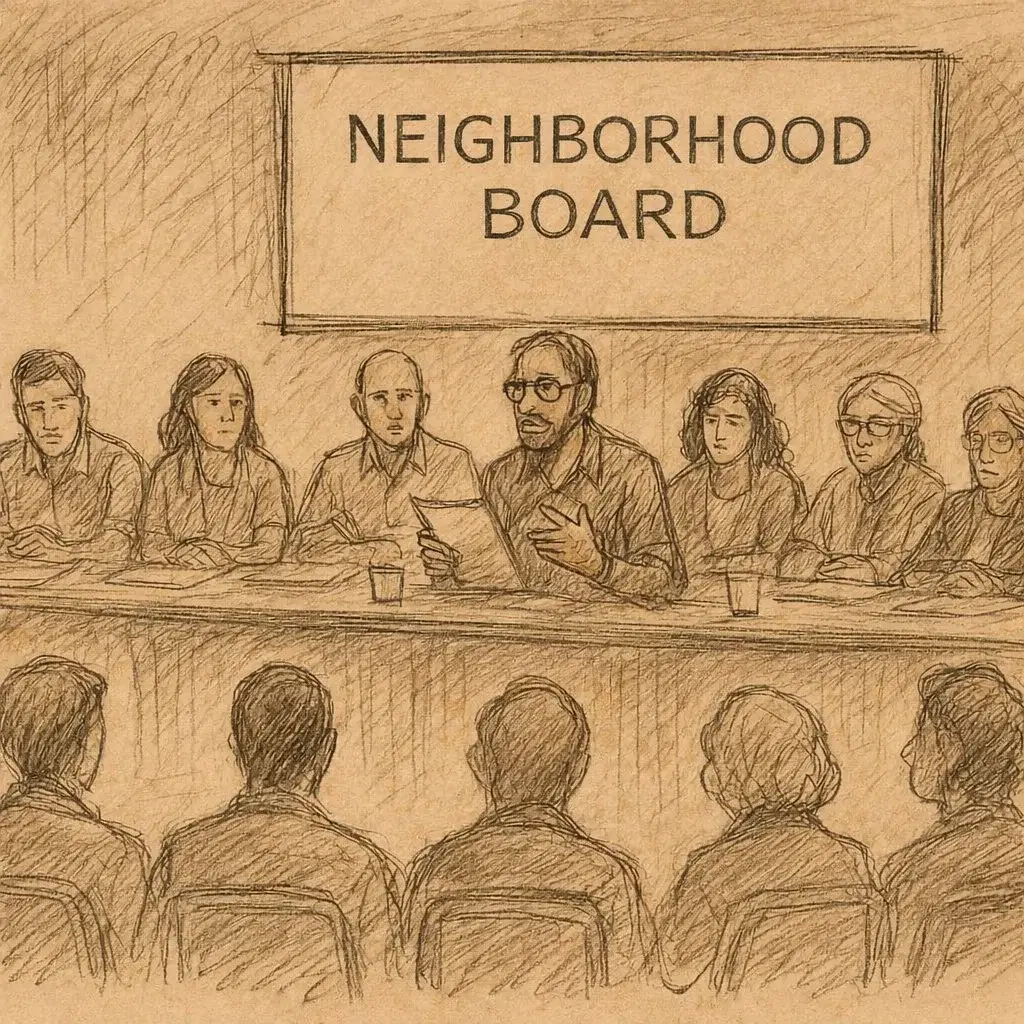
No 30 Kāne‘ohe Neighborhood Board Regular Meeting February 2026
Listen to this article:
30 Kaneohe Neighborhood Board Meeting – February 20, 2026
Board Vacancies
The meeting began with a call to fill four vacancies on the Kāne‘ohe Neighborhood Board. Members highlighted the importance of recruiting new individuals interested in serving their community, referencing district maps available through the Neighborhood Commission Office website. Although no one present expressed immediate interest, the board reminded attendees to spread the word and direct potential candidates to confirm their residency within the proper sub-districts. The board reiterated that additional help is crucial to ensuring full representation for Kaneohe residents.
Honolulu Fire Department
A firefighter from the local station delivered the Honolulu Fire Department report for February 2026, sharing final incident numbers from January. They responded to two structure fires, one nuisance fire, one cooking fire, and 11 false alarms. Their medical emergencies totaled 144, with four motor vehicle crashes and one hazardous materials incident. The department urged residents to call 911 instead of driving directly to a fire station during emergencies, emphasizing that fire companies may be away on other duties. They confirmed that texting 911 is possible for those in low reception areas such as hiking trails. One board member asked about the “Smart 911” service and how many residents have registered, and HFD pledged to gather updated statistics for the next meeting. Members also asked about the high winds from early February and whether there had been a spike in weather-related calls; the department confirmed an unusually heavy call volume but had no precise numbers yet, promising to report back at a future meeting.
Honolulu Police Department
District 4 representatives and command leadership provided the monthly crime statistics, comparing January’s four motor vehicle thefts, four burglaries, 15 thefts, three car break-ins, and zero robberies to the prior month. They emphasized community initiatives, such as “Coffee with a Cop,” which aims to strengthen police-community relations and encourage open dialogue. Residents commended HPD for their quick response to recent power outages, which helped maintain smooth traffic flow. The department further reported on homelessness in the area, noting ongoing coordination with various city and state partners to assist unsheltered individuals and discuss navigation to shelters. A presentation by HPD’s Assistant Chief illustrated 2025’s fatal and critical collision data, revealing that Districts 4, 5, and 8 combined had the highest number of serious incidents islandwide. They urged residents to be part of local mitigation efforts, calling for safe speeds, reduced cell phone use while driving, and consistent helmet and seatbelt use. The department confirmed that texting 911 is indeed supported on O‘ahu, though voice calls remain preferable when possible.
Marine Corps Base Hawaii
A representative from Marine Corps Base Hawaii provided updates on local military-community activities. They publicized an open house hosted by the state’s Military and Community Relations Office on March 11 at He‘eia State Park. Attendees can meet representatives from various branches and learn more about the military’s presence and economic impact. The base continues consulting with community leaders and cultural groups about mangrove removal near the shoreline. Their dialogue with Paepae o He‘eia highlighted benefits of replanting native species, such as ‘ākulikuli, once invasive plants are removed. They also outlined continued support services for families, including on-base childcare. Questions arose about ID badge issues with contractors handling mangrove removal, which will be clarified with the contractor and reported back to the board.
Windward Community College
WCC staff introduced a new marketing and communications coordinator as they shared upcoming events. They invited all residents to the Kō‘olau Career Expo on March 31, designed to connect community members with local employers offering at least $20 per hour. They also highlighted scholarship opportunities for graduating high school seniors on the Windward side, noting that the Ho‘olei Scholarship covers unmet tuition costs for eligible freshmen. Enrollment numbers at WCC hover around 3,000 students, including early college participants at area high schools and a growing population of incarcerated students pursuing educational programs. The college remains committed to expanding student employment opportunities on campus to help individuals manage living expenses while studying.
Sewer Fee Changes and CARES Program
The Department of Environmental Services (ENV) director presented upcoming wastewater fee changes, part of a multi-year rate restructuring designed to incentivize water conservation and fund critical infrastructure. Single-family residences now see a reduced monthly base charge but a higher volumetric rate, meaning the more water a household uses, the more they pay. The director explained how an 80% metric of water usage is billed as sewage, with a 20% remainder assumed for outdoor irrigation. The first rate change occurred on January 1, 2026, and a second adjustment will take effect July 1, 2026. The ENV is also developing a Customer Assistance Program named CARES, seeking to offset sewer expenses for income-eligible households with a monthly credit. Implementation has been targeted for as early as this year, pending a service provider contract and final approval.
Short-Term Rental Concerns at 45-201 Nohonani Place
Multiple residents shared extensive complaints about a property that seemingly operates as an unpermitted short-term rental. They characterized it as a “resort” with multiple units, high tourist traffic, and large-scale excavation that may be contributing to erosion, trespassing, noise complaints, and parking impacts. They described heavy machinery removing soil from the hillside—allegedly encroaching on neighboring parcels—and expressed fears about structural threats to private property and the nearby public road. While the Department of Planning and Permitting (DPP) has previously issued short-term rental violations, residents urged stronger enforcement of grading and grubbing regulations. The mayor’s representative offered to forward new evidence and photographs of the site to DPP for a follow-up inspection. Residents also intended to contact local lawmakers and Airbnb’s community standards division to address alleged violations.
Resident and Community Concerns
Further community concerns included the poor condition of the Kaneohe District Park tennis courts, which exhibit significant cracks, raised patches, and hazards amid high use. The Department of Parks and Recreation had earlier indicated completion of some repairs, but residents provided photographs of fissures and weeds covering large areas. In response, the mayor’s office planned another site visit. A local resident inquired about ongoing library renovations and was informed that unexpected off-gassing and accessibility concerns pushed projected reopening dates back to spring 2026. Another attendee raised concerns about potential weather-related tree hazards along Kamehameha Highway, and board members discussed reliability of the city’s responsiveness once tree falls occur.
Reports from Elected Officials
Representatives for Governor Green and Mayor Blangiardi offered monthly newsletters, covering legislative priorities and updates on city infrastructure. The mayor’s office noted that the city administration is finalizing its annual budget, with public hearings planned for March. They reported that the city is still investigating a future landfill site, citing Maka‘iwa Hills in Waipio as a prospective location. A question about re-establishing a city disability commission prompted acknowledgment of other boards serving similar functions, but advocates were disappointed at the city’s reluctance to restore an earlier, disability-specific commission. City Council staff shared that major conditional use permits are now required for some agritourism operations, ensuring public hearings and mandated presentations at neighborhood boards. State legislators joined virtually to discuss bills on e-bike regulations, anti-fraud measures, bus fare proposals, housing code changes, and environmental restoration efforts. They emphasized the approach of key legislative deadlines and encouraged constituents to track bills, noting certain proposals (like a shopping cart-related measure) had stalled.
Adjournment
In closing, the board expressed appreciation to police leadership for staying throughout the meeting and encouraged residents to remain engaged on pressing community topics. The next Kāne‘ohe Neighborhood Board meeting is scheduled for March 19, 2026, at Windward Community College’s Hale ‘Ākoakoa building. Members reminded the public to continue reporting concerns and monitoring the city and state responses to unresolved issues, highlighting the importance of community involvement in local governance. The session was then adjourned.