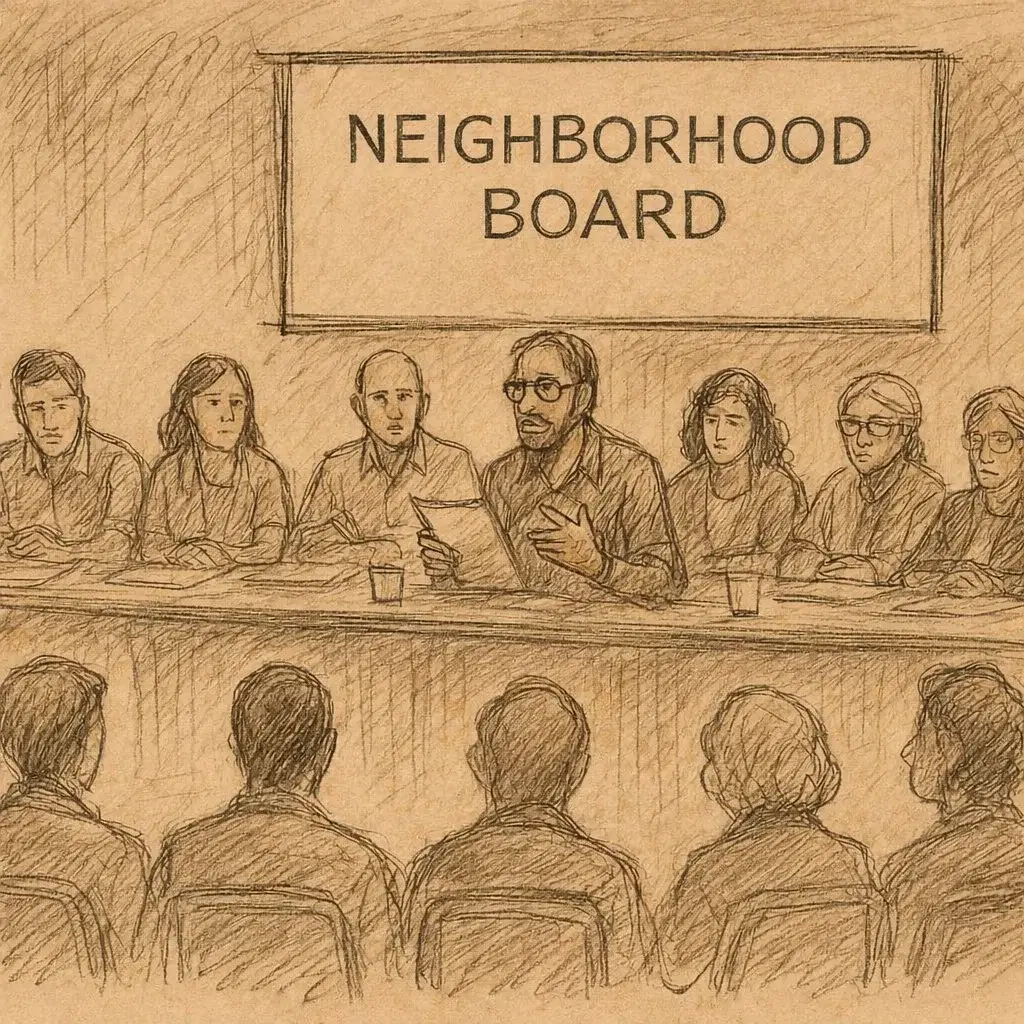
No 30 Kāne‘ohe Neighborhood Board Regular Meeting September 2024
Kāne‘ohe Neighborhood Board Meeting
Board Vacancies and Annual Business Procedures
The meeting began with a note that quorum was not immediately present, pausing the filling of two vacant sub-district seats and the adoption of annual procedures. Once quorum was reached, the board confirmed that there were two open seats—Sub-District 2 covering the Windward Mall area and Sub-District 7 in Pu‘ohala. Members encouraged community residents to apply, emphasizing the role these positions could play in enhancing neighborhood representation. Following this, the board proceeded with its annual business items, such as electing officers and confirming that regular meetings would continue on the third Tuesday of each month at 6:30 p.m. at Ben Parker Elementary. The board also established December as its usual recess month and reaffirmed its standard rules for public testimony, allowing three minutes per speaker.
Honolulu Fire Department’s Report
A captain from the Honolulu Fire Department presented statistics from August 2024 for the department’s coverage in Kāne‘ohe. Among other figures, there were zero structure fires, one wildland brush fire, one cooking fire, and one ocean rescue. Medical emergencies remained high at 142, reflecting the range of health incidents in the area. The presenter also shared a safety tip stressing the “move over” law, reminding drivers to slow down and shift lanes if possible when approaching any kind of emergency vehicle stopped on a roadway. Questions arose about basic fire safety involving “stop, drop, and roll,” including whether fire blankets were endorsed; the department clarified that stopping, dropping, and rolling was the best immediate response for a person on fire.
Marine Corps Base Hawai‘i Updates
A representative from Marine Corps Base Hawai‘i shared flyers regarding a Ko‘olaupoko resiliency review research project, signaling a presentation to be given later by the University of Hawai‘i. They also highlighted a new online sound-reporting platform, featuring QR codes to streamline the community’s ability to report concerns over base-related noise. A commander overseeing the base’s water reclamation facility delivered an update on projects to modernize system controls, replace outdated generators, repair clarifiers, and implement new disinfection strides. These improvements are scheduled to continue into 2025 and beyond with the aim of enhancing wastewater treatment capabilities, boosting environmental compliance, and obtaining permission to reuse treated water at facilities such as the Clipper Golf Course. Community questions covered concerns about dog-food contamination at the base exchange and commissary, as well as heightened nighttime brightness from stadium-style lights shining toward local residences during seabird fallout season. Base representatives pledged to address these issues with environmental and recreation officials to mitigate disturbing light and ensure proper communication about any contaminated products.
Proposed Agricultural and Cultural Project on Ha‘ikū Road
A planning consultant presented information on a site located at the end of Ha‘ikū Road, owned by Kamehameha Schools and leased to two non-profit organizations supporting ‘āina-based learning. The proposed project is largely administrative, involving after-the-fact building permits for existing structures such as greenhouses, tool sheds, and multipurpose buildings, plus the construction of two new comfort stations. The consultant explained that existing plumbing and wastewater lines are available to accommodate the new restroom facilities. Board members and community participants raised questions about water options, traffic, and how the upgrades would preserve the area’s agricultural character while meeting educational needs.
Therapeutic Living Program on Kāne‘ohe Property
A key point of discussion centered on a proposal by Hina Mauka, a non-profit behavioral health provider, to offer transitional housing for women who have completed substance-abuse or mental-health treatment, including those who participated in programs at the Women’s Community Correctional Center. The facility, located on a property along Kāpā‘Adams Road, would accommodate a small number of residents while maintaining 24-hour professional staffing. Attendees from the neighborhood expressed concerns about scale, parking, public safety, and the broader effect of group living programs that might alter the residential character. The provider clarified that the plan is to begin slowly with a small number of residents, valuing dialogue with neighbors in order to address questions about legal capacity limits, state or city permits required, and compliance with land-use ordinances. Debate continued over potential expansions, with the organization committing to secure the necessary permits and further communications before any large-scale operation.
Broader Community Concerns
Residents brought additional issues to the board’s attention. One community member described difficulties with stream maintenance, explaining that overgrowth on neighboring properties impedes water flow and might require city or volunteer help. Another brought up the possibility of cooperating with city crews that sometimes clear canals near key roadways. There was also mention of coconut rhinoceros beetle infestations and efforts to encourage better state-level coordination, suggesting that local solutions like strategic netting and mulched drop-off points may help curtail the spread. Members of the public sought clarity on how to escalate unsanitary or unsafe conditions directly to the City and County.
Reports from Elected Officials
Representatives from the Mayor’s office, City Council, and the State Legislature updated the board on road construction, safety measures, and legislative initiatives. The Mayor’s representative discussed real-property tax credits for households below certain income thresholds, reminding homeowners of a September 30 filing deadline. Questions arose about recent settlements regarding federal funds for the Board of Water Supply, with the mayor’s representative promising to follow up. City Council Vice Chair Esther Kia‘āina’s office highlighted current proposals to reduce speed limits around schools and parks and to regulate electronic bikes, while certain state lawmakers mentioned progress on the repaving of Kamehameha Highway in parts of Kāne‘ohe. Legislators also welcomed bill ideas for the next session and gave updates on local standpoints regarding locally important irrigation, traffic, and environmental topics.
Christmas Parade and Future Board Participation
The board affirmed its earlier vote to support the 2024 Kāne‘ohe Christmas Parade, scheduling it for December 7. Members debated whether to organize a board float, assigning participants to either march or ride, and consider ways to incorporate live music along the parade route. The board made clear it would be absent from regular formal business in December but looked forward to the holiday event as a means of community engagement.
Board Committee Updates
Board members reviewed the status and needs of standing committees, reminding the public that committees are open to anyone interested in volunteering. They discussed possible legislation for 2024 that could address longer-range neighborhood issues ranging from noise control to environmental protection. Transportation-related concerns included audio cameras along the H-3 to help monitor noise violations, and further updates about the Kahalu‘u roundabout. Members also revisited earlier discussions on the success of a food-tree planting project and continued interest in forging community solutions to drainage infrastructure and homelessness matters.
Next Meeting and Adjournment
The board announced that its next meeting would be on October 17 at 6:30 p.m. at Ben Parker Elementary School, inviting the public to participate in person or via virtual attendance. After covering all agenda items and responding to public testimony, the meeting was officially adjourned with expectations of more discussions to come regarding water management, agricultural site oversight, residential programs, and neighborhood holiday events.