No 01 Hawaiʻi Kai Neighborhood Board Regular Meeting October 2026
Listen to this article:
1 Hawaii Kai Neighborhood Board Meeting – October 28, 2026
Opening and Board Attendance
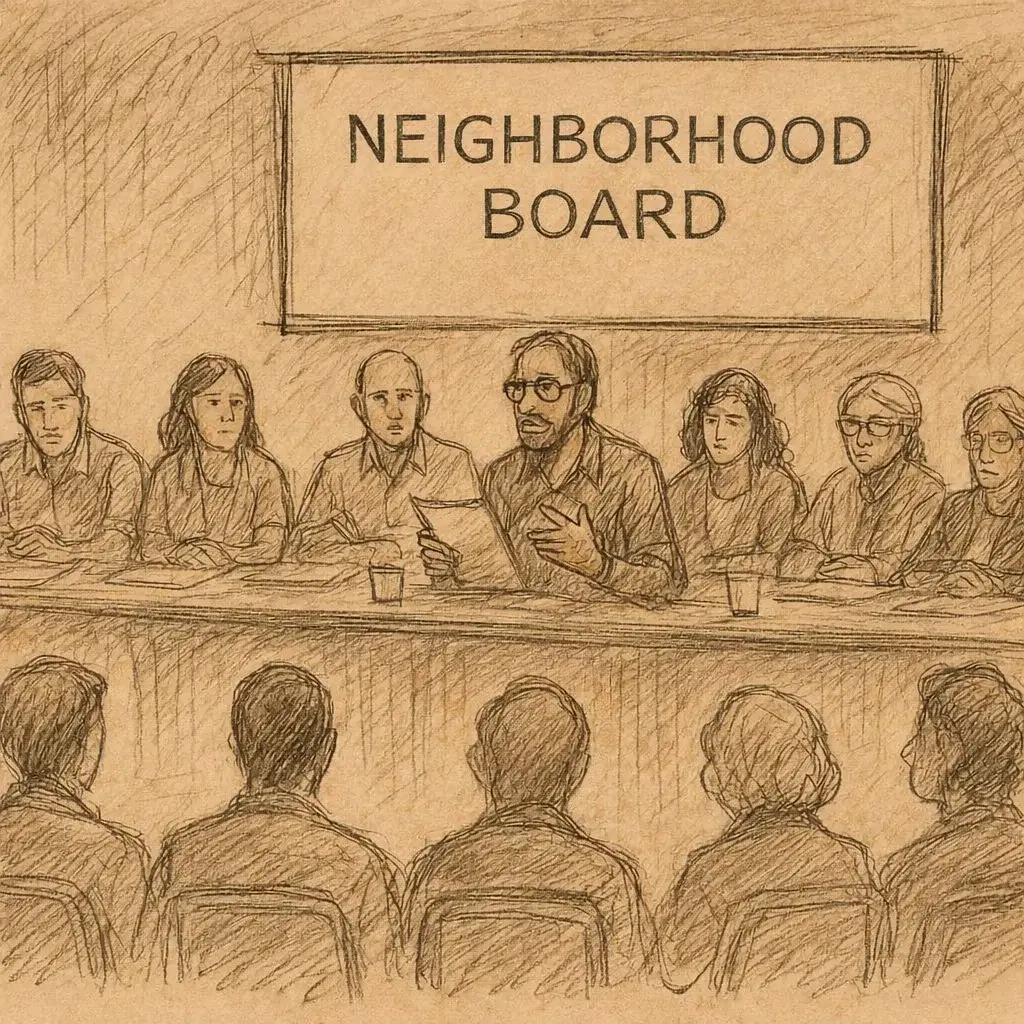
Chair Roberta Mayer opened the regular meeting at Hahaʻione Elementary School, with participation also available online. Board members introduced themselves by subdistrict or at-large status, including Vice Chair Greg Knutson, Herb Schreiner, Elizabeth Riley, Sam Wolf, Paige Alton, Lisa Bishop, Tiffany Donnelly, Elijah Lee, and Paula Bender. Neighborhood Commission Assistant Anson Wu attended to support preparation of the minutes and advise on parliamentary procedure. Several scheduled agencies and elected officials did not provide reports, including the Board of Water Supply and representatives for Senators Stanley Chang and Chris Lee and Representative Mark Hashem.
Fire Department Statistics and Holiday Safety
Honolulu Fire Department representatives from Engine 34 reported that Hawaiʻi Kai experienced one wildland brush fire, three activated alarms with no fire, and 62 medical emergencies during September 2026. Detailed incident and mapping information is available through the Fire Response Search Tool at fire.honolulu.gov, and neighborhood-board questions may be directed to hfdnhb@honolulu.gov. With Halloween and the holiday season approaching, HFD advised residents to purchase electrical decorations and appliances certified by nationally recognized testing laboratories, follow manufacturers’ instructions, remain present and alert while cooking indoors or outdoors, keep flammable materials away from heat and flames, and exercise added caution as pedestrians and drivers between dusk and dawn.
Police Statistics and Halloween Precautions
Honolulu Police Department Lieutenant Taro Nakamura reported that September had one motor-vehicle theft, down from two the previous month; one burglary, down from two; two general thefts, down from 11; and one unauthorized entry into a motor vehicle, or theft from an automobile, down from six. These figures came from 5,808 calls for service in the district. For Halloween, HPD encouraged reflective tape, glow sticks, or similar visibility aids on costumes, group trick-or-treating with a responsible adult, and inspection of candy before children consume it. Residents who suspect tampering were told to call 911.
Overnight Camping and Sanitation at Wāwāmalu
A prolonged discussion focused on people living in vans near Wāwāmalu Beach, including vehicles that reportedly have remained in the same location for months. Board member Sam Wolf said residents have repeatedly contacted HPD but were told officers could not remove the occupants because the area lacks posted park-closure hours. He described multiple piles of human waste and toilet paper on the beach, which has no restroom, and said the conditions make it difficult to bring children there safely. Board members questioned why an existing “no camping” sign had not supported enforcement. Lieutenant Nakamura explained that enforcement depends on the precise circumstances, sign placement, posted hours, and whether sleeping in a vehicle, on a foam pad, in a sleeping bag, or in a tent legally constitutes camping. He recommended calling 911 and requesting a responding sergeant if residents believe the initial response is inadequate, but acknowledged that a more detailed sign or clearer ordinance could make enforcement easier.
Park Closure Hours and Enforcement Limits
The board considered whether nighttime closure hours at Sandy Beach and along the Kaʻiwi Coast would help HPD address camping, late-night parties, stabbings, off-road driving, destruction of native habitat, and a reported firearms incident in March. Lieutenant Nakamura said closure hours would create additional enforceable violations but cautioned that police must apply them equally, including to fishermen and other lawful users who may need nighttime access. He also declined to state an official HPD position because support for a policy change would have to come from department leadership rather than a patrol lieutenant. Board members cited Joe Luchella Beach Park, where closure hours have resulted in repeated citations but have not ended overnight sleeping or restroom problems. Nakamura said HPD had issued an estimated 20 to 30 citations there over six months, illustrating that law enforcement alone may not resolve homelessness. Chair Mayer ultimately indicated that the board might avoid renewing the divisive closure-hours proposal and instead seek better enforcement of existing signs, although Wolf maintained that many other Oʻahu beach parks close from 10 p.m. to 5 a.m. and that similar hours could improve safety and environmental protection at Sandy Beach.
Abandoned and Oversized Vehicles
Residents and board members sought a more proactive response to abandoned or residential vehicles along Wāwāmalu and the Kaʻiwi Coast. HPD explained that officers can cite or arrest where appropriate, but towing falls under different agencies depending on whether the vehicle is on a city road, in a city park, or on state land. HPD also lacks direct authority to solve contractual and logistical problems involving oversized-vehicle towing. Two former Handi-Vans were identified near Wāwāmalu; one reportedly has current registration and moves slightly, while the other has expired tags and should be towed, but the city reportedly has no contractor with equipment capable of removing it. The board asked the mayor’s representative to follow up with the Department of Customer Services or the appropriate city unit concerning contracts for towing oversized vehicles, boats, and trailers.
Illegal Beach Driving and Native Habitat Damage
William Leggett reported that on October 11 a large, high-lift truck apparently drove down an embankment at Wāwāmalu and through native vegetation, despite signs prohibiting motor vehicles. He had already notified the Department of Parks and Recreation and the mayor and asked HPD patrol officers to watch for similar activity. Board members noted that boulders previously installed along the coast have protected dunes and native plants. Greg Knutson cautioned against placing a large boulder directly at the latest access point because a driver descending the embankment might strike it and suffer a serious accident. He instead suggested relocating an existing “no vehicles on the beach” sign approximately 50 feet to block or clearly mark the entry. HPD agreed to pass the broader enforcement concerns to its captain and consider a Community Policing Team special project.
Speeding, Drag Racing, and Excessive Vehicle Noise
Lisa Bishop reported renewed complaints about drag racing and high-speed driving between Hawaiʻi Kai Towne Center and Koko Marina, particularly on Friday and Saturday nights. Residents have also noticed more modified mufflers and loud vehicle audio systems that may exceed legal noise limits. Lieutenant Nakamura said District 7 responds to complaints and conducts proactive enforcement, including efforts to slow traffic on freeway sections. Bishop asked HPD to report monthly citation totals for speeding, racing, illegal mufflers, and excessive sound systems. Nakamura explained that the neighborhood board would need to request any change to the standard reporting format through official channels, but he agreed to research whether speeding citations had been issued along the Towne Center–Koko Marina corridor during the coming month and report back.
Theft and Vandalism in Kamilo Nui Valley
Farmer Judy Nee reported a brazen theft from her Kamilo Nui Valley nursery in which someone apparently drove deep into the property and stole two heavy air compressors. She also described incidents over the previous year to year and a half involving stolen plants and pots, broken pipes, and furniture taken from a neighboring residence. She warned that thieves appear increasingly willing to enter agricultural properties. Nee said officers arrived within approximately 30 minutes of her report, documented the theft, and provided useful property-security advice. Farmers in the valley have alerted one another to remain vigilant.
Kaiser Complex School Achievements
Hahaʻione Elementary Principal Kapi Gu reported on behalf of the Kaiser Complex. Kaiser High School’s girls volleyball team finished as OIA runner-up and was playing in the first round of the state tournament that evening. The football team advanced to the OIA playoffs and was scheduled to play Pearl City that Friday, while the cheer team qualified for the state tournament the following week. Academically, Kaiser’s Oʻahu Math League team moved into third place overall after its second match. Niu Valley Middle School scheduled a three-hour recycling drive for November 14 from 9 to 11 a.m. Gu emphasized that Hawaiʻi Kai’s public schools accept and support all neighborhood children, provide International Baccalaureate and other strong academic opportunities, and help students develop alongside the peers with whom they grew up.
Kaiser Library and Performing Arts Center
Principal Gu followed up on concerns about changes to the Kaiser High School library. Books formerly housed centrally were distributed to classrooms, with the PTSA purchasing shelves to establish classroom libraries. The school also acquired three digital subscriptions through which students can borrow electronic books. The former library space is now used for meetings, testing, study hall, and tutoring. Planning and design for the performing arts center remain active, and technicians recently completed laser measurements of the area. Board members thanked Gu for consistently attending meetings, sharing school news, and allowing the board to use Hahaʻione Elementary’s cafeteria.
Kaʻiwi Coast Vehicle Removal
State Department of Transportation representative Galen Wong reported that the Department of Land and Natural Resources is responsible for an abandoned vehicle off Kalanianaʻole Highway near the Kaʻiwi coast. Removal has been delayed because endangered yellow-faced bees are present in the area. DOT is willing to help remove a guardrail if necessary to provide access. A helicopter lift had also been mentioned as a possible but potentially expensive option that could require special funding, although board members later observed that the vehicle is only about 10 feet from the road and may be removable with conventional towing equipment. The governor’s representative confirmed that State Parks had accepted responsibility and said the administration would continue following the matter with DLNR and DOT.
Lunalilo Home Road Merge and Signage
DOT also discussed the merge from Lunalilo Home Road onto Kalanianaʻole Highway near a shopping-center entrance. Knutson had suggested replacing or supplementing the yield sign with a sign showing an added or merging travel lane and had illustrated a possible short double-white-line section to discourage westbound drivers from crossing into merging traffic. He stressed that the illustration was only a mock-up and not a formal board proposal. Paige Alton objected that a double white line could prevent many drivers from entering the shopping center and said the concept had not received full board review. Knutson responded that his proposed line would extend only about 20 to 25 feet and leave room for lawful lane changes. DOT agreed to have its traffic branch study the conditions and return with possible options, after which the board could decide whether to support any change.
Kaʻiwi Educational and Historical Events
Elizabeth Riley announced Kaʻiwi Explorations, a series of escorted hikes scheduled for November 7 and 8. The morning outings, generally running from about 6 to 11:30 a.m., will introduce participants to the cultural and natural resources of protected Kaʻiwi Mauka lands. Registration information is available through info@lkh.org. Riley also announced a Historic Hawaiʻi Foundation event on November 19 at Patagonia on Ward Avenue featuring speakers and memorabilia about the more than 50-year effort to save the Kaʻiwi Coast. Information is available at historichawaii.org, and the fee was expected to be approximately $10.
Kamilo Nui Sewer Improvements
Kamehameha Schools Senior Asset Manager Jennifer Thom updated the board on federally mandated sewer infrastructure improvements in Kamilo Nui Valley. Current work includes road excavation and trenching, gravity sewer installation, lateral connections to individual properties, and protection or relocation of existing utilities. Later phases will address cesspool remediation, private home connections, road restoration, and repaving. Construction was nearing the intersection of Kamilo Nui Place and a private portion of Hawaiʻi Kai Drive and is expected to continue until summer 2027. Work generally will occur Monday through Friday from 7 a.m. to 3:30 p.m. Kamilo Nui Place will remain open, but motorists may encounter temporary lane or shoulder closures, large construction vehicles, minor delays, and bans on parking within active work zones. The contractor is expected to limit excavation to localized sections, control dust, manage stormwater, and maintain a safe site. Thom warned pedestrians to stay away from construction zones. When asked whether farmers would receive leases longer than one year after sewer completion, she said the EPA-mandated project is separate from leasing decisions, though farmers will benefit from the new infrastructure.
Hawaiʻi Kai Development Survey and the James Building
Tom Cooper of Hawaiʻi Kai Advocates for Respectful Development, or HARD, reported preliminary results from an open survey available from May through early October to Oʻahu residents aged 18 and older. More than 400 people responded, the overwhelming majority from Hawaiʻi Kai. A large majority supported using the James Building as a community center and resilience hub, an even larger majority supported retaining the preschool there, and nearly unanimous support favored preserving neighborhood businesses such as 7-Eleven and Boston Pizza in Koko Head Plaza. A large majority opposed intensified development. Detailed rankings of 12 preferred uses for the James Building will be released in November, with Representative Joe Gedeon expected to distribute the final report and graphics. HARD will post the findings online and notify Kamehameha Schools as the property owner. The organization continues collecting signatures on a separate petition opposing high-rise construction and demolition of existing businesses and preschool space.
James Building Tours and Potential Uses
Cooper reported that three groups had toured the James Building over the previous three months. Alumni associated with the former James Campbell school toured in August; resilience-hub advocate Aloha McGuffie later visited with board member Lisa Bishop; and State Librarian Stacey Aldrich toured with a special assistant. Cooper said these visits reflected potential new community-oriented uses for the property. He thanked Kamehameha Schools representatives for maintaining communication and acknowledged board members and elected officials who publicized the survey and open house. A fuller presentation of the survey’s exact results was promised for the following meeting.
Koko Crater Stables and City Eviction Decision
The board advanced the Koko Crater Stables item because many attendees came specifically for it. On October 1, the board sent Mayor Rick Blangiardi a letter asking the city to rescind its notice requiring Aloha Riding Lessons to vacate the property. Board members subsequently participated in two meetings with the mayor’s office, including an October 22 meeting with the mayor. The city stated that its position had not changed and issued Aloha Riding Lessons a January 15, 2027, deadline to leave. The administration said it welcomed community participation in planning the future of the space but would not withdraw the termination notice. Board members expressed frustration that the stable has been unable to operate normally for approximately three and a half years while waiting for the city to demolish a condemned building and address property deficiencies.
Aloha Riding Lessons’ Response
Aloha Riding Lessons owner Kim asserted that she had done nothing wrong and disputed city claims that she lacked sufficient financing, qualifications, insurance, or communication. She said she repeatedly contacted the Department of Enterprise Services without receiving timely responses and had carried both insurance and a bond throughout the period. Because the condemned building remained in place, the city prohibited broader public access and normal business activity, leaving her able to do little beyond feeding and caring for the animals. She described a long waiting list for children’s and adult lessons and camps, but said the city would not let her restart those programs. Her operation houses 12 school horses, four cats, including three feral cats, and chickens, all of which may require new homes if the eviction proceeds. She also emphasized her work rescuing and rehabilitating neglected horses and other livestock.
Stable Improvements and City Performance
Supporters said Aloha Riding Lessons had repaired and reroofed stalls with volunteers, maintained the grounds with school and community work groups, rehabilitated the tack room, resurfaced the upper riding ring, repaired fences, and otherwise made the property functional. One speaker said they had not seen a city employee performing comparable work during three and a half years of visits. Community groups and Amazon Construction reportedly offered to help demolish the condemned structure, and the Hawaiʻi Kai fire station reportedly suggested using the demolition as a training exercise, but the city did not authorize those options. Board member Herb Schreiner said Aloha Riding Lessons originally won the bid but was prevented from conducting boarding, events, and lessons while the city failed to perform its own obligations. He rejected the suggestion that the current circumstances represented a concessionaire breach.
Community Support for Equestrian Use
Speakers described the stables as an island-wide resource because Oʻahu has lost numerous equestrian facilities. An informal survey cited during the meeting had 45 respondents, of whom 37, or 82%, supported continued equestrian use; another 7% accepted mixed use, and 1% was unsure and wanted more information. A parent said horseback riding had transformed her child’s behavior and eliminated school discipline calls. Others said the program teaches children responsibility, animal care, and life skills. Several speakers warned that if horses leave Koko Crater, equestrian use may never return. A historical clarification was also offered: the property was conveyed for public recreational use, not specifically as an equestrian center, although equestrian activity has operated there since approximately 1962 and is reflected in city plans.
Stable Transparency and Next Steps
Residents criticized the mayor’s office for a lack of transparency and said repeated calls had not produced explanations for the eviction. Board members urged the mayor to pause, return to negotiations, and allow the community to help remedy site problems. The Parks and Recreation Committee scheduled a meeting for November 10 at 6 p.m. at the Hawaiʻi Kai Library to gauge public interest and assemble proposals for preserving the stable area as a community recreational asset. The board acknowledged that it may lack direct authority over the concession but intends to continue pursuing alternatives. Council Chair Tommy Waters’ office was also asked to clarify earlier statements that as much as $750,000 had been appropriated for work at the stables, because the mayor appeared unfamiliar with that funding during the recent meeting.
Papahana Hanauma Education and Stewardship
Representatives of Papahana Hanauma and Hui Mālama O Ke Kai Foundation described their education and stewardship work at Hanauma Bay. Hui Mālama O Ke Kai was established in 1998 by community kūpuna seeking a safe place for children, and its programming has grown to include after-school and intersession activities, classroom education, and community events. Papahana Hanauma combines Hawaiian knowledge, marine science, place-based learning, storytelling, cultural education, and hands-on activities to strengthen relationships among visitors, the land, the ocean, and the wider community. The program offers on-site Hanauma Bay visits and school-based sessions for public and private schools, community organizations, and Make-A-Wish families, serving learners from keiki through kūpuna.
Hanauma Bay Volunteers and Visitor Orientation
Papahana Hanauma currently has 47 volunteers assisting at the visitor center, theater, and beach kiosk. The organization is recruiting dependable volunteers aged 16 and older who are willing to learn and communicate with visitors; prior marine or cultural expertise is not required. Information is available through its website and at 808-395-5242, and educators and community groups may request either visits to Hanauma Bay or in-class presentations. Representatives confirmed that passengers arriving on authorized tour buses watch the updated orientation video aboard the bus and therefore do not have to view it again after arrival. Board members praised the program’s October 3 community event and its commitment to reaching schools and neighborhoods beyond the bay. The program is funded through a contract supported by Hanauma Bay revenues, but its role is educational and it does not control the broader allocation of admission fees.
Pono Olu Olu and Waimānalo Kauhale Concerns
Kanella Kamahaloha Nuilai, vice president of Pono Olu Olu, introduced the newly formed organization, which seeks to provide Waimānalo residents, kūpuna, Hawaiian Home Lands beneficiaries, and others with a safe setting to document concerns and participate in government decision-making without fear of retaliation or loss of livelihood. The group’s immediate focus is the Hui Mahiʻai ʻĀina or Mahiʻai development and associated Kauhale plans. Nuilai said a 2024 Board of Land and Natural Resources decision allowed technical access to the property without sufficient community involvement and that a lease was subsequently issued on February 13, 2026, to a development entity affiliated with the aio Foundation. The lease reportedly runs for 65 years at no annual rent and requires at least 100 units, while project documents refer to approximately 130 units and do not set a clear upper limit.
Flooding, Fill, and Environmental Questions
Pono Olu Olu said the existing and proposed Kauhale occupies an active floodway over an aquifer and hydrological system with cultural and environmental features, including caves and lāʻau. The organization alleged that imported fill raised part of the site by approximately 12.8 feet across more than three acres, contributing to standing water, inadequate drainage, and flooding affecting neighboring beneficiaries. It is seeking records concerning the fill’s origin and testing, retaining walls, stormwater systems, wastewater, Clean Water Act compliance, inspections, permits, and environmental reviews by DLNR, the Department of Human Services, the Department of Planning and Permitting, and other agencies. Nuilai said recent Kona low storms flooded the Kauhale and required residents to be evacuated twice to Kāneʻohe District Park. She also warned that development in a mapped floodway could jeopardize flood-insurance availability more broadly.
Kauhale Funding, Procurement, and Community Process
The organization is investigating a reported $1.5 million state contract associated with the development in 2025 and wants procurement records explaining how the developer was selected without a public bidding process. Pono Olu Olu also questioned whether the governor’s emergency proclamations on homelessness and housing improperly bypassed constitutional due process and the proclamation’s own certification requirements. Additional complaints concerned after-hours alcohol use, fireworks, and activities allegedly extending beyond the site’s stated housing purpose. Nuilai emphasized that the group was not asking the board to accept every allegation as fact, but wanted responsible agencies to disclose records and respond publicly.
Proposed Alternatives for Waimānalo Housing
Pono Olu Olu stressed that it does not oppose housing homeless people and that the original concept was to assist Waimānalo residents living in local beach and roadside encampments. The group said the project has instead become a statewide facility open to anyone who has been in Hawaiʻi for 24 hours, while more than 50 people with Waimānalo ties may remain homeless in approximately seven local encampments. It proposed halting the present development, revoking the lease, restoring the site’s original elevation, returning the property to DLNR, and relocating Kauhale residents to the existing Waimānalo shelter near “Saddle City” or another previously considered site such as the former dairy area or an expanded Weinberg Village facility at Bellows. The organization asked to maintain communication with the Hawaiʻi Kai board, provide future updates, and seek assistance obtaining records and agency answers. Board members suggested contacting Congressman Ed Case if federal environmental or Clean Water Act violations can be documented. The governor’s representative agreed to request more information about the project, flood risks, statewide eligibility, and community consultation.
Mayor’s Office Updates
Mayor Blangiardi’s representative, Jimmy Barros, reported that the city’s CORE program is expanding medically assisted homelessness services across Oʻahu and that HPD had sworn in Deputy Chiefs Brandon Nakasato and Parker Bode. He also highlighted Kona low recovery milestones and improvements to penguin and hippopotamus exhibits at the Honolulu Zoo. Residents were reminded that the general election was November 3 and that active registered voters automatically received mail ballots.
Kuliʻouʻou Road, Utility Trees, and Restroom Accessibility
The Department of Facility Maintenance repaired and patched the concrete roadway fronting 936 Kuliʻouʻou Road on October 14. Permanent rehabilitation is planned under a future concrete-roadway project but depends on funding and utility clearances. Regarding trees on private property growing around utility lines near 387 Portlock Road, the city said no ordinance governs growth into adjoining private property and recommended contacting Hawaiian Electric’s vegetation-management program at 808-543-7386. The city also responded to concerns that Maunalua Bay restrooms are not wheelchair accessible. No capital project is currently planned, so immediate accessibility upgrades are not scheduled; however, future reconstruction or major improvement would be required to incorporate ADA-compliant features.
Access to the Mayor’s Office
A participant complained that repeated calls to the mayor’s office concerning Koko Crater Stables had not been returned and asked how residents outside Hawaiʻi Kai could obtain information about the administration’s decisions. Barros said residents may contact relevant departments, participate in neighborhood-board meetings, or use the mayor’s complaint and information line. He later provided the number, 808-768-4141. The board asked that future administration responses explain not only what decision was reached but, where possible, the reasoning and how community input was considered.
State Energy Proposal and LNG Review
Governor Josh Green’s representative, Cameron Black, updated the board on JERA’s proposal to import liquefied natural gas and develop regulated electrical generation facilities on Oʻahu. In July, JERA notified the Hawaiʻi Public Utilities Commission that it intended to apply for a certificate of public convenience and necessity to develop, own, and operate a power-generation company, but it had not yet filed the full application. The Federal Energy Regulatory Commission had just opened a public scoping period to help determine the scope of future environmental review under the National Environmental Policy Act. Black said the proposal remains preliminary, while the state is conducting a broader analysis of alternatives to oil-fired generation, including rooftop and utility-scale solar, wind, geothermal, hydroelectric power, and other renewable resources. That analysis is expected in 2027 and will account for changing constraints such as Oʻahu wind-turbine setback laws and earlier offshore-wind proposals.
Representative Gedeon’s Community Report
Representative Joe Gedeon announced a “Let’s Talk Story” event at the Oʻahu Club on October 29 from 6 to 7:30 p.m., where HPD Lieutenant Jared Spiker and other officers would explain how to identify phishing and online scams. He cited the recent case of an Ono Seafood owner who was allegedly deceived by callers posing as FBI agents and noted that Hawaiʻi kūpuna reported losing more than $55 million to online scams during the previous year. Gedeon also said the Department of Transportation Services completed traffic-calming work along Lunalilo Home Road in roughly six weeks rather than the anticipated six months. His office has forwarded concerns about the ʻAnapalau Street intersection and a Kamakani location to DTS for further review.
Kaiser Threat, Community Cleanup, and School Air Conditioning
Gedeon reported that an online threat against Kaiser High School was posted October 1. Approximately a dozen officers were present the next morning, and the person responsible turned themselves in after community and social-media attention; the incident was described as a prank. On October 17, 23 volunteers, including Kaiser students, cleaned Lunalilo Home Road and collected approximately 42 bags of green waste. Gedeon also hosted about 50 Kamiloʻiki Elementary third graders at the State Capitol. After students produced a video requesting air conditioning for three classrooms, he committed to making those units a capital-improvement priority and will coordinate with the Department of Education and school administration about any necessary electrical upgrades. He invited residents to submit legislative ideas to repgedeon@capitol.hawaii.gov or 808-586-6420.
Native Planting at Maunalua Bay
The board followed up on possible native landscaping near the renovated Maunalua Bay boat ramp and harbor. Gedeon said the planting was not formally included in the construction contract but had been discussed with project representative Doug Fraser. He also noted that the Hawaiʻi Tree Alliance had offered to donate and install native trees at no cost if suitable state land and species can be identified in coordination with DLNR. Board members recommended replacing an invasive octopus tree and grass strips with coastal native plants appropriate to the area and asked for further follow-up.
Dog-Friendly Park Designations
The Department of Parks and Recreation had asked the board to recommend additional city parks for designation as dog-friendly, on-leash areas. Knutson identified Kalama Valley Community Park as a location already heavily used by residents walking dogs, although some dogs also run off leash or chase Frisbees. He noted that one resident previously asked for dogs to be banned there, so the matter requires broader discussion. Schreiner said an official on-leash designation would clarify that responsible dog walking is permitted and reduce the conflict created by current no-dog rules. Because of the late hour and the need for more public discussion, the board deferred a decision to a future meeting.
Awāwāmalu Place-Name Change
The board considered a joint Parks and Recreation and Planning, Zoning and Environment Committee recommendation to restore the historical place name Awāwāmalu in place of the commonly used Wāwāmalu Beach. Members also discussed replacing the “beach park” designation with terminology reflecting the area’s dunes, native vegetation, pedestrian access, and environmental character. Parks Director Laura Thielen reportedly advised against “preserve” or “reserve,” because those terms can imply management standards and liabilities comparable to Hanauma Bay, and suggested language such as “scenic shoreline.” Some members questioned the cost and public confusion associated with changing long-used signs, while others said the historically proper name should be restored. The board voted eight in favor, one opposed, and one abstaining to change the name to Awāwāmalu. It deferred the final designation and will consider “Awāwāmalu Scenic Shoreline” at the next meeting.
Minutes, Vacancies, and Next Meeting
No member of the public volunteered for one of the board’s three vacant at-large seats. Approval of the September 29 minutes was deferred because corrections were needed, including acknowledgment that a quorum existed with 10 members present. The next regular meeting was scheduled for Tuesday, November 24, 2026, at 7 p.m. at the Hahaʻione Elementary School cafeteria and through Webex. It will be the board’s final regular meeting of the calendar year.