No 01 Hawaiʻi Kai Neighborhood Board Regular Meeting September 2026
Listen to this article:
1 Hawaii Kai Neighborhood Board Meeting – September 30, 2026
Board Membership and Meeting Opening
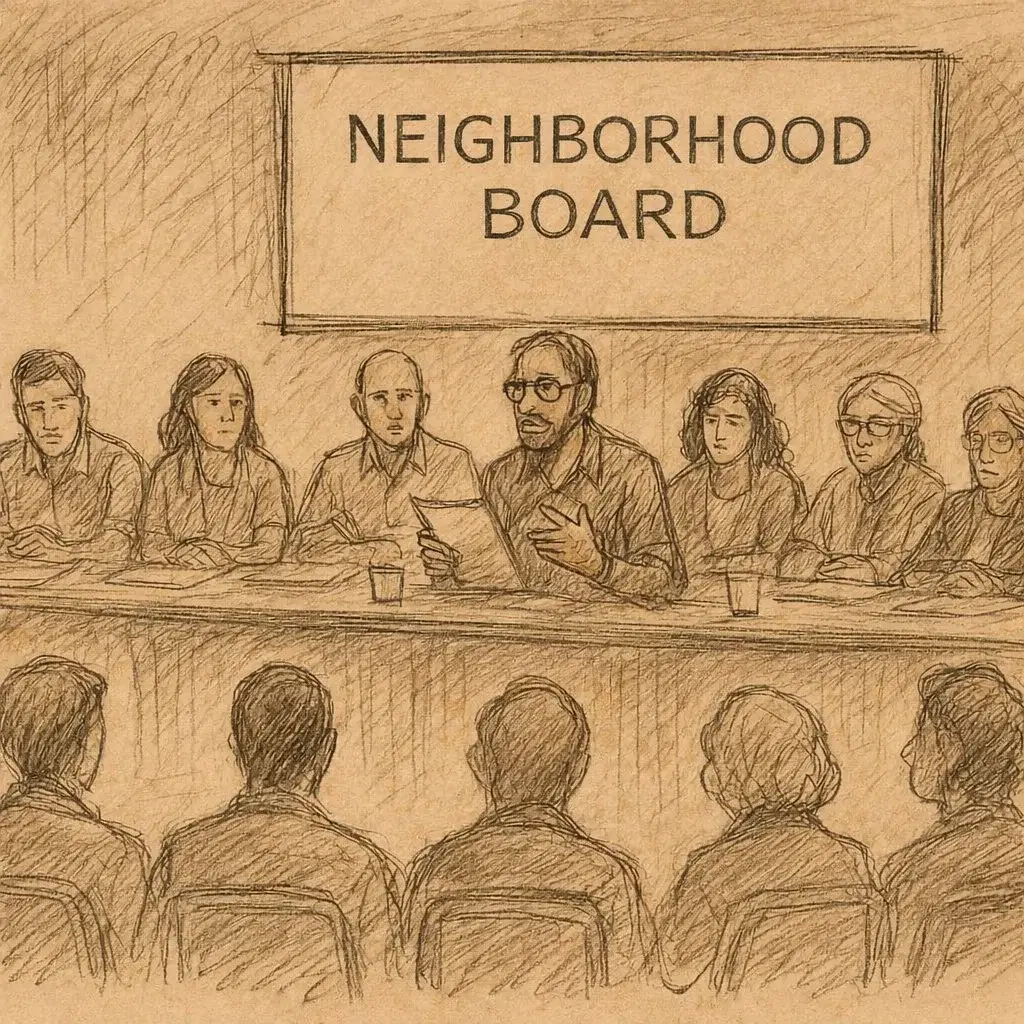
Chair Roberta Mayer opened the meeting and introduced the neighborhood board members and Neighborhood Commission Office staff. The 15-member board currently has 12 seats filled and three vacancies, and interested community members were encouraged to apply. Members identified their respective subdistricts and committee responsibilities, including parks and recreation and transportation. Several members attended remotely. Because public-safety and utility representatives are on call, the board heard service-provider reports before proceeding to community announcements, presentations, officials’ reports, and board business.
Honolulu Police Department Crime Report and Active-Threat Safety
The Honolulu Police Department reported two motor-vehicle thefts, two burglaries, 11 thefts, and six unauthorized entries into motor vehicles during the previous reporting period, along with 6,251 calls for service. HPD also repeated active-shooter and active-threat guidance centered on “avoid, deny, defend.” Residents were advised to remain aware of their surroundings, identify exits, create distance and barriers between themselves and a threat, turn off lights when appropriate, and, if escape or concealment is impossible, defend themselves aggressively and decisively until law enforcement can stop the threat.
Overnight Activity and Possible Closure Hours at Sandy Beach and Vavamalu
The board revisited concerns about former Handi-Vans and other vehicles remaining for extended periods at Vavamalu and Sandy Beach. HPD has inspected the vehicles but found limited grounds for enforcement because the area lacks clearly posted overnight restrictions or closure hours. An officer had reportedly told a board member that closure hours could help police manage abandoned vehicles, people sleeping in vehicles, loitering, large fights, parties, and gatherings after hours. Lieutenant Mira said signs specifying closure hours, no overnight parking, or no camping would provide clearer enforcement authority, although he could not formally speak for the entire department without consulting supervisors. A resident opposed closing or gating the area, arguing that local families, campers, fishermen, and other beach users should not lose access because of misconduct by a smaller number of people. He urged targeted removal of abandoned vehicles rather than restricting a beach that local residents use and help care for. The board agreed to place the matter on a future agenda, with discussion expected to focus on after-hours coastline problems, enforcement tools, parking restrictions, and the distinction between posted rules and physical gates.
Honolulu Fire Department Incidents and Battery Safety
The Honolulu Fire Department reported that August 2026 included one structure fire, one wildland or brush fire, one nuisance fire, 13 activated alarms, 90 medical emergencies, two motor-vehicle collisions, and one mountain rescue within the board area. There were no reported pedestrian collisions. Firefighter Cameron Roberts emphasized the risks posed by lithium-ion batteries in phones, laptops, e-bikes, e-scooters, tools, toys, and vehicles. Residents were advised to use manufacturer-approved cords and chargers, charge devices on hard and flat surfaces, unplug fully charged devices, and charge larger items outdoors when possible without blocking exits. Devices should no longer be used if they become unusually hot, swell, leak, smell strange, smoke, or make popping or hissing sounds. The department also announced Fire Prevention Week Family Day at the Honolulu Zoo on October 3 from 10 a.m. to 2 p.m., with a safe-charging theme.
Water Main Breaks and Power-Dependent Water Service
The Board of Water Supply reported two August main breaks: one near 859 Kaluanui Road on August 1 and another near 988 Wainiha Street on August 23. Officials explained that power outages limit the board’s ability to pump water from wells into reservoirs, leaving only stored reservoir water available until power returns. During outages, customers should restrict consumption to essential drinking, cooking, and personal-hygiene needs. Conservation should continue after electricity is restored so pumps can refill reservoirs and normalize system pressure, which may take time after a prolonged or widespread outage.
Emergency Water Preparedness and Generator Limits
Board of Water Supply representatives Kathleen Pahinui and Steven Nordstrom expanded on disaster preparations following questions raised at the previous meeting. Before a forecast hurricane, the agency attempts to top off reservoirs and pre-deploy portable generators to selected locations; fixed generators are available at some facilities, including Kalihi and Kahuku. The agency does not have generators for every well or enough water trucks to serve the entire island simultaneously. It has 13 bulk-water units that can be deployed after officials determine where damage and shortages are most severe. BWS also coordinates with Hawaiian Electric, the city, and the state to restore pumping and refuel generators. Officials warned that taps could stop flowing during a long outage and that a loss of positive pressure can require a boil-water notice, as occurred on the North Shore during Kona low conditions; the system there took approximately four days to clear fully.
Household and Senior-Housing Water Storage
Residents were offered free 2.5-gallon emergency water-storage bags. BWS recommends storing approximately one gallon per person per day; two bags would provide one person with five days of water. Residents were also encouraged to fill bathtubs before a forecast emergency for toilet flushing and other nonpotable uses. People should separately plan for pets and livestock because the agency must prioritize human public-health needs. In response to a question about senior housing, BWS said it can provide preparedness presentations and storage bags to residential complexes, but building owners and managers remain responsible for backup generators and emergency plans for their residents.
Kaiser Complex School Achievements and Events
Hahaʻione Elementary Principal Shannon Gu reported several academic, extracurricular, and community accomplishments across the Kaiser Complex. Kaiser High School had three National Merit Scholars—Ansel Blamey’s sister, Maximus Cho, and Kensei Narahara—described as a record-setting result and the highest total among public schools. Kaiser teacher Paul De La Balazs, an International Baccalaureate Diploma Program teacher and student activities coordinator, was named Complex Area Teacher of the Year and recognized at the Japanese Cultural Center of Hawaiʻi on September 21; he was also nominated for State Teacher of the Year. Kaiser’s volleyball team remained undefeated in the regular season, while the school’s other fall teams were finishing strongly. Niu Valley Middle School was one of only 39 schools nationwide to receive a 2026 Association for Middle Level Education School of Distinction designation. ʻĀina Haina Elementary celebrated its 75th anniversary, and Hahaʻione Elementary became the first elementary school to receive the Hawaiʻi Schools of Democracy Award. Upcoming activities included Kamiloʻiki’s Keiki Carnival on October 16 and Koko Head Elementary’s “Passport to Fall” spirit week and cultural talent show.
Kaiser Library and Performing Arts Center Follow-Up
Board members asked Principal Gu to investigate reports that the Kaiser High School library’s print collection is being depleted. He noted that schools increasingly balance physical and digital materials but agreed to return with a specific update. The board also requested a clear status report on the proposed Kaiser Performing Arts Center after hearing that the project may be stalled within the Department of Education because bids or costs exceeded expectations and that no clear redesign or cost-reduction plan had emerged.
Yield Sign at Lunalilo Home Road and Kalanianaʻole Highway
State Department of Transportation representative Galen Wong reported that DOT’s traffic section considers the yield sign near Lunalilo Home Road and Kalanianaʻole Highway correctly positioned under Hawaiʻi Revised Statutes Section 291C-63(c), which requires drivers approaching a yield sign to slow and, when necessary, stop before a stop line, crosswalk, or intersection. Board members disputed that conclusion, emphasizing that the sign lies after the pedestrian crosswalk and appears intended to make Lunalilo Home Road traffic yield to vehicles coming from the Hanauma Bay direction. They questioned the logic of requiring slower Lunalilo traffic to yield to faster highway traffic, particularly where lane markings include a solid white line. Another member noted that crossing a solid white line is legal in Hawaiʻi and that vehicles from the Hanauma Bay direction frequently move into the right lane toward Koko Marina. The board asked for the traffic official’s contact information and suggested the sign may fall under city jurisdiction because it stands on Lunalilo Home Road rather than the state highway. DOT also offered to consider advance pedestrian-yield or slow-warning signs.
Wrecked Vehicle and Highway Delineators
The board again raised the wrecked vehicle still sitting in a ravine beside Kalanianaʻole Highway. DOT said it considers removal the vehicle owner’s responsibility and lacks both authority to tow it and a designated destination for the vehicle. The board asked the governor’s representative to help coordinate agencies and resolve the jurisdictional impasse. Members also reported that numerous highway delineators were missing—possibly about 25—and asked DOT to replace them and consider double-solid striping or stronger visual warnings where the freeway transitions onto the asphalt roadway. DOT agreed to refer the matter to highway staff.
Hanauma Bay, Search and Rescue, and Wetland Events
Community announcements included an October 3 public outreach event on the upper lawn at Hanauma Bay from 8 a.m. to noon, hosted by Papa Hana Hanauma, part of the Hui Mālama O Ke Kai Foundation, with the Kānehūnāmoku Voyaging Academy. Hawaiʻi residents were told to bring valid state identification and one dollar cash for parking; kamaʻāina admission would be free and no reservation would be required. Oʻahu Search and Rescue announced its annual costume-themed trail 5K fundraiser on October 31 at 8:30 a.m. in the KaʻIwi mauka range behind the Hawaiʻi Kai Golf Course. The volunteer nonprofit, formed in 2015 with approximately 30 active members, described the course as steeper and more trail-oriented than in prior years, with parking at the golf course. Residents were also invited to an October 10 second-Saturday stewardship event at Kahaʻawa Wetland featuring the Audubon Society, Pacific Birds, and Healthy Climate Communities. The wetland supports ʻalae ʻula, a native waterbird whose statewide population was estimated at only about 700 on Kauaʻi and Oʻahu.
Protecting Hawaiʻi Kai’s Community Character
Representatives of HARD, the Hahaʻione Advocates for Responsible Development, encouraged residents to sign their petition, subscribe to their newsletter, and complete an online survey opposing unnecessary high-rise development in the Hawaiʻi Kai community, particularly around the Hawaiʻi Kai Towne Center and Koko Head Plaza area on Kamehameha Schools or Bishop Estate land. The group said thousands of names had already been gathered and argued that future development decisions should preserve the area’s established character while accounting for infrastructure, traffic, and other community-wide effects.
KaʻIwi Coast History and Community Photographs
A forthcoming Hawaiʻi Historic Foundation event at Patagonia on Ward Avenue will recount the roughly 55-year community campaign to save Sandy Beach and protect the KaʻIwi Coast from mauka to makai. Admission was expected to be $10. Residents who participated in earlier protection campaigns were asked to contribute historic photographs for the presentation by contacting Livable Hawaiʻi Kai Hui.
Koko Crater Stables History and Current Dispute
At the request of the large audience, the board advanced its Koko Crater Stables item. Kim Hollandsworth, owner of Aloha Riding Lessons and the current concessionaire, said the land was conveyed by the Bernice Pauahi Bishop Estate in 1928 for a symbolic one dollar with a binding covenant that it remain a public park. She also cited the East Honolulu Sustainable Communities Plan and park master plan as supporting continued public use. Aloha Riding Lessons entered the stables in December 2022 after winning the bid and removed approximately four tons of trash through volunteer work. Hollandsworth said the property is rooted in Hawaiian cultural tradition and has operated as stables since 1961, making it the last public paniolo stable on Oʻahu. She wants the city to advance a stable operating contract, rehabilitate the site, and open it fully to the public.
Eviction Notice, Condemned Buildings, and City Funding
Hollandsworth described receiving an eviction notice, being told it was a mistake, and later receiving another notice while negotiations continued. The original deadline reportedly gave her 30 days to relocate 12 school horses, although no current move-out date was identified. Two structures condemned for more than two decades remain standing, one with a collapsed roof and another with loose metal, despite an earlier mayoral walkthrough at which the city pledged to “make this right.” Community members had offered a public-private partnership and volunteers to demolish or stabilize the structures, but the city previously said it would handle the work. Council Chair Tommy Waters said the council appropriated $500,000 in fiscal year 2025 and $350,000 in fiscal year 2026 for the stables, while Hollandsworth and board members also recalled a prior $300,000 allocation. None of the money had visibly produced the expected planning, demolition, rehabilitation, or construction. Waters explained that the council appropriates funds but the administration is responsible for spending them.
Japanese Archery Proposal Clarified
Hollandsworth said concern increased after hearing that a Japanese kyūdō archery group might be seeking a new site and that Koko Crater had been mentioned because of its serene setting. Council Chair Waters clarified that there are no plans to place a kyūdō dojo at Koko Crater or replace the stables. He had only suggested at another neighborhood board meeting that the city consider alternatives to the group’s present Kaimukī location. He reiterated support for keeping the property as stables and cited his 2019 resolution urging that outcome. Hollandsworth said she would not categorically oppose discussing a compatible use on a small portion of the large property, especially if it brought private investment, but emphasized that the equestrian use must remain central.
Equestrian Access and Community Support
Speakers described the stables as one of the few places on Oʻahu where residents can obtain riding lessons without owning a horse or paying the high costs associated with private barns. One rider said she had ridden since childhood but could not find trainers willing to return calls before meeting Hollandsworth; losing Aloha Riding Lessons would likely end her access to horses. Hollandsworth said she hopes eventually to offer lessons, boarding, horse shows, and community events and to restore the facility as a gathering place for equestrians from across Oʻahu. Another participant urged the board to seek broader input from the sometimes-divided horse community. Hollandsworth responded that outreach had been made to farriers, the island’s equine veterinarian, and other equestrian contacts, and she invited critics to visit and learn what is being rebuilt.
Legal Representation and Renewed Negotiations
City officials apparently believed attorney Eric Seitz represented Hollandsworth in possible litigation because he sent letters on legal letterhead and had represented prior concessionaires at the site. Hollandsworth clarified that she had not retained him for a lawsuit, although he had supported preservation of the stables and advised that she might have a strong case. Board members recommended that she immediately write to the mayor, Council Chair Waters, and Board Chair Mayer confirming that she has not initiated litigation, wants to negotiate, and supports a public-private partnership. She agreed and also agreed to request permission for volunteers to help remove condemned structures.
Board Action to Stop the Stables Eviction
The board voted unanimously to send a letter to the mayor and the Department of Enterprise Services requesting that the eviction notice be rescinded immediately and that city officials return to negotiations. The board also asked that the Department of Enterprise Services director attend a future meeting and explain the city’s position, the status of the concession, and the use of prior capital appropriations. Members reiterated that the board has long supported retaining Koko Crater as a public equestrian facility and that allowing the horses to leave could make restoring that use much more difficult.
Recycling at The Ivy and Other Multifamily Properties
A resident of The Ivy, a senior community with approximately 435 residents, said the property’s new corporate owner provides no recycling despite ongoing renovations and anticipated growth. Newspapers, cans, bottles, and other recyclable materials are therefore entering the municipal waste stream unless elderly residents transport them independently to recycling locations. She asked elected officials to consider legislation requiring or strongly encouraging recycling at large residential and senior-living properties. Board members said similar gaps exist at condominium complexes and on the makai side of Portlock Road, where standard trash collection occurs but recycling trucks reportedly cannot navigate the alleys. The board referred the broader policy issue to legislators for possible consideration during the next session.
Proposed Waimānalo Kauhale Development
A scheduled presenter from Pono Olu Olu did not attend. The chair nevertheless noted concerns attributed to a Waimānalo community hui regarding a possible development of approximately 700 kauhale or tiny-home units. Residents reportedly fear that concentrating that many units in Waimānalo would amount to overdevelopment and create traffic and infrastructure demands. The board offered to hear a full presentation at a future meeting if the proposal remains active.
Blue Water Task Force and Coastal Pollution Monitoring
Arlene Velasco of the Surfrider Foundation’s Oʻahu Chapter described the Blue Water Task Force, a volunteer citizen-science program that tests coastal water for enterococcus, a fecal-indicator bacterium associated with potentially harmful contamination. Surfrider operates 61 laboratories nationwide, including three in Hawaiʻi, and the Oʻahu team tests roughly 20 to 25 beaches every other week. Its laboratory protocol is EPA-approved, its results are recognized by the state Department of Health, and the program complements state monitoring by sampling places and storm periods the state may not cover. The group’s work at Pōkaʻī Bay helped mobilize community attention and contributed to an Army Corps of Engineers effort to redesign the jetty for better circulation.
Severe Contamination at Kuleʻoʻo Stream
The task force reported that Kuleʻoʻo Stream has failed water-quality thresholds in approximately 80 percent of samples. The standard discussed was 130 most probable number, while some Kuleʻoʻo results exceeded 24,000—beyond the normal measurement range and high enough to suggest a sewage leak. Historical testing since 2019 has repeatedly found exceedances at the stream mouth. The nearby Hui Nalu canoe-launch area generally tests better but has also registered occasional high readings. Potential sources include leaking sewer mains or lateral lines, aging wastewater infrastructure, storm runoff, animals, fertilizers, pesticides, and industrial discharge. Oʻahu has approximately 11,000 cesspools, but mapping shows few near this watershed, leading the team to consider damaged sewer infrastructure a more likely source.
Fluorescent Dye and Optical-Brightener Testing
Surfrider described a study using a fluorometer to detect optical brighteners from laundry detergent, which indicate human wastewater rather than waste from pigs or other animals. Testing in Waikīkī showed a strong relationship between optical brightener fluorescence and enterococcus, with an R-squared value of 0.71. The organization now wants to test upstream in Kuleʻoʻo Stream, sample above the bridge, and investigate the public restroom located near the stream mouth. Because a sewer main and lateral line serve that restroom and the facility is exposed to tidal and coastal conditions, investigators suspect an old, broken, or disconnected line may be contributing. The group proposed using leftover nontoxic fluorescent dye from the Sharks Cove investigation, followed by approximately one week of monitoring. City permission is required, and a similar permit process at Sharks Cove took more than a year.
Board Action on Kuleʻoʻo Testing
The board unanimously approved sending a letter to the Department of Parks and Recreation, with relevant agencies such as the Department of Health copied, asking the city to expedite permits for Blue Water Task Force and partner organization WAI to conduct dye and water-quality testing. The board asked that the adjacent Kuliʻouʻou-Kalani Iki Neighborhood Board receive the presentation as well and requested that Surfrider return when results are available. In the meantime, Velasco advised residents to avoid the stream area until the pollution source is identified. A sampler suggested that an incoming or higher tide may reduce exposure, but historical data showed high readings at both high and low tides, with no reliable safe period established. Anyone entering the area should thoroughly rinse themselves and their pets afterward.
Residential Noise Complaint on Hawaiʻi Kai Drive
A resident near 6715 Hawaiʻi Kai Drive complained that occupants of 6721 Hawaiʻi Kai Drive repeatedly hold parties and play amplified rock music in the backyard, including after midnight. He said he had called HPD approximately 30 times, but officers generally requested that the music stop without issuing citations. During one September 21 incident around 12:30 a.m., he alleged that occupants mocked his accent and that an officer or supervisor told him to close his windows, use earplugs, or tolerate the situation. Board members explained that neighbor-to-neighbor disputes are generally outside the board’s direct role but recommended maintaining detailed logs, videos, report numbers, responding officers’ badge numbers, and statements from other affected neighbors. They also advised writing to the police chief, continuing to request enforcement, returning when HPD is present at the next board meeting, and checking whether the property is being used as an illegal short-term rental.
Mayor’s Representative and Kaluanui Road
Jimmy Barros, deputy chief of the Honolulu Ocean Safety Department and a Hawaiʻi Kai resident, introduced himself as the mayor’s new representative following Amy Asselbaye’s departure. He said all city directors and deputies are assigned to neighborhood boards and that he volunteered for Hawaiʻi Kai because he lives in and values the community. He reported that work order 33285 has been opened for Kaluanui Road, although flood-response work has delayed the crew’s arrival. The Division of Urban Forestry and Department of Parks and Recreation inspected the area on May 7, 2026, but did not find visible roots proving that a city tree caused the road damage. The agencies intend to coordinate with the Department of Facility Maintenance on any tree work needed to support repairs. A separate response about a permanent roadway solution, rather than temporary patching, remained pending.
City Follow-Up on Stables, Water Quality, and ADA Access
The board asked Barros to convey the urgency of the Koko Crater Stables eviction dispute and the community’s willingness to participate in a public-private rehabilitation effort. He agreed to route the concerns to the appropriate departments within 48 hours. The board also asked him to help expedite Kuleʻoʻo Stream testing permits. A further concern involved the restroom at Maunalua Bay Beach Park, where the route to the facility may not be accessible to wheelchair and walker users. The city was asked to assess whether the restroom and approach meet Americans with Disabilities Act requirements.
Ocean Safety View on Beach Closures
Barros said Ocean Safety has no official position on closure hours at Sandy Beach or Vavamalu because the issue primarily concerns activity after lifeguard hours and falls under Parks and Recreation and HPD. Based on his experience, gates may deter some vehicles but will not eliminate discarded bottles, needles, drug use, overnight gatherings, or people needing assistance. Gates could also interfere with fishermen, nighttime beach users, and residents who help clean and care for the coast. Board members clarified that the immediate proposal may concern posted enforcement hours or overnight parking restrictions rather than installing gates. The subject will return after additional facts and agency input are gathered.
Portlock Utility-Line Vegetation
Remote board member Paige Alton reported trees on private property growing around utility wires along a Portlock alley. Hawaiian Electric and cable providers have each said the matter falls outside their responsibility, while a prior city contact had indicated that work might occur early in 2026. Because the tree branches now present a potential wind and outage hazard, she was instructed to send photographs and the exact address to the Neighborhood Commission Office so the issue can be referred to the appropriate city and utility agencies.
City Council and East Honolulu Power Reliability
Council Chair Tommy Waters announced that the next full City Council meeting would be October 7 and encouraged public testimony through the council website. He discussed a recent East Honolulu town hall on repeated Hawaiian Electric outages attended by approximately 250 residents, many of whom expressed anger and demanded concrete solutions. Waters also announced an October 2 Honolulu Charter Commission community meeting at Kalani High School concerning 20 proposed charter amendments. He reported that the overgrown slope in the Maunalua Triangle/Koko Kai area—initially referred to as Portlock—ranked seventh on the Parks and Recreation Department’s cleanup list. The work is expected to require chainsaws and substantial vegetation removal rather than simple weed trimming, but no completion date was available.
State Energy Resilience and Backup Generation
Governor Josh Green’s representative, Cameron Black, said the state would investigate the wrecked vehicle beside Kalanianaʻole Highway and continue tracking the Maunalua Triangle brush-fire hazard. Because the hillside is not state land, the Department of Land and Natural Resources’ fire-management personnel lack direct jurisdiction, but suggested a coordinated plan involving landowners, utilities, the city, and possibly volunteer organizations such as Team Rubicon. Black also described a FEMA-supported effort to create critical-customer hubs with backup generation, including a Waimānalo example involving a health center and fire station. The Hawaiʻi State Energy Office is accepting applications for technical assessments of backup-generation needs at critical facilities through November. Board members suggested including cellular providers because power loss frequently disrupts communications as well as water service.
Public Utilities Commission Meetings
Black announced a Public Utilities Commission town hall at Kailua High School on October 5 from 6 to 9 p.m., featuring Hawaiian Electric, the Consumer Advocate, and PUC officials discussing recent East Honolulu and Windward outages. Representative Joe Gedeon also noted a separate October 2 PUC public hearing at 465 South King Street, Room 103, concerning a utility rate increase, with participation available in person, through WebEx, or by viewing online.
Hawaiian Electric Improvement Commitments
Representative Gedeon summarized responses following the East Honolulu power town hall. Hawaiian Electric has created an operations team focused on short- and long-term improvements from Kahala through Hawaiʻi Kai and is working with community leaders on an advisory group. The utility plans to replace aging underground cables with new cable and protective conduit through two projects expected to be completed by 2027. It is also working to sectionalize circuits so protective shutdowns affect smaller areas, expand vegetation-management cycles, use drones to inspect infrastructure in wildfire-risk areas, and continue replacing poles, lines, and transmission, subtransmission, and distribution equipment. Residents suggested placing backup batteries at Hawaiʻi Kai substations to bridge outages lasting several hours and improving network connections that could provide alternate power routes.
Utility Damage Claims and Solar Batteries
Residents questioned Hawaiian Electric’s policy of denying claims for spoiled food, appliances, and electronics when an outage is attributed to a storm or other event outside the utility’s control. They argued that recurring Hawaiʻi Kai reliability problems have been known for decades and that restoration delays approaching 46 hours cannot be treated solely as unexpected acts of nature. Gedeon encouraged residents to submit claims, especially for outages that occurred during clear weather, and said he is urging the Legislature’s energy committees to hold an informational briefing and monitor whether Hawaiian Electric fulfills its commitments. Another issue involved solar customers who reportedly need utility permission to fully charge batteries before an anticipated outage; Gedeon agreed that the policy warrants further examination.
Oʻahu Club Traffic and Legislative Outreach
Representative Gedeon said his office coordinated with the Department of Transportation Services concerning difficult and potentially dangerous turns from the Oʻahu Club, particularly at night. DTS required a request directly from the club rather than a legislator, and the office helped club representative Robin submit the necessary letter. Gedeon also directed residents to his website for power-reliability survey results and recorded town-hall footage. He closed by announcing that his wife gave birth to their first daughter on September 17.
Dog-Friendly Park Proposal
The Department of Parks and Recreation asked the board to consider allowing leashed dogs in additional parks, including Koko Head Neighborhood Park, Kalama Valley Community Park, Hahaʻione Neighborhood Park, Hahaʻione Valley Neighborhood Park, Joe Lukela Beach Park, and Maunalua Bay Beach Park. Existing options include leashed-dog access at Sandy Beach and Kamiloʻiki Neighborhood Park and off-leash use at the Elaine Dobashi Hawaiʻi Kai Dog Park. Members recalled prior Kalama Valley opposition, although others said many residents already walk leashed dogs there and should not effectively be treated as violators. Concerns were raised about sanitation in children’s play areas, potential homeless encampment issues at Joe Lukela Beach Park, and the proximity of an existing dog park to Maunalua Bay. No decision was made, and the matter will return with the individual parks clearly identified for public review.
Kamilo Nui Valley Agricultural Work
Kamilo Nui Valley farmer Judy Nii reported that heavy machinery recently entered the valley and cleared vegetation, uprooted long-established trees, and left debris in drainage ditches without adequate advance notice. Residents feared that the uncleared material could block drainage during heavy rain. Nii also learned from a surveyor that proposed pipe work could cause substantial damage to her nursery. After she contacted the land asset manager, the manager acknowledged that notice had been inadequate and promised to contact all farmers and have the contractor explain future work before proceeding. Nii expressed hope that direct consultation would prevent further property and drainage damage.
Vavamalu Name, Preserve Designation, and Signage
A joint meeting of the Parks and Recreation Committee and the Planning, Zoning, and Environment Committee considered recommendations led by the Sierra Club Oʻahu Group. The committees reached consensus that the traditional place name should be written “Vavamalu.” They also discussed elevating the site’s designation from a beach park to the “Vavamalu Preserve” and installing educational signs explaining the area’s cultural and environmental significance. Community organizations indicated that they would help raise private funds for signage so the project could move more quickly. The full board deferred action until the next meeting.
Meeting Administration and Next Meeting
The board approved the August 25, 2026 regular meeting minutes without objection. Chair Mayer corrected an erroneous date printed on the agenda and announced that the next regular meeting would be held October 27, 2026. The board expects to revisit beach after-hours enforcement, dog-friendly parks, the Vavamalu preserve recommendations, Koko Crater Stables, coastal water-quality testing, and several unresolved infrastructure matters.