No 32 Waimānalo Neighborhood Board Regular Meeting April 2026
Listen to this article:
32 Waimanalo Neighborhood Board Meeting – April 14, 2026
Call to Order and Opening Protocols
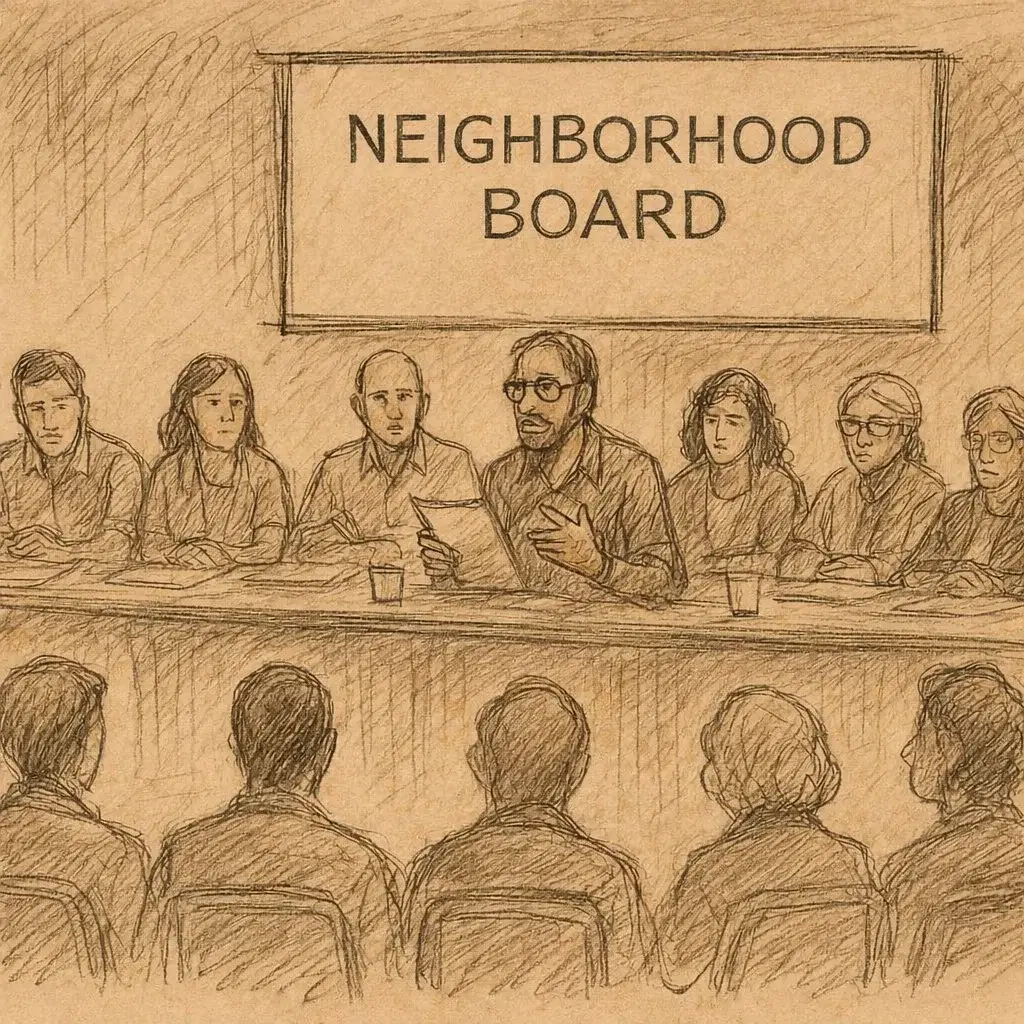
The regular monthly meeting of the Waimanalo Neighborhood Board 32 was called to order at 7:00 p.m. on April 14, 2026, by Chair Kimiona Kane. The meeting took place at the Waimanalo Public Library, with residents attending both online and in person. The Chair reminded all participants to sign in, keep microphones muted when not speaking, and raised awareness of the meeting’s rules of engagement, including time limits for comments and speaking only when recognized. Attendees were asked to practice the spirit of aloha—kindness, unity, and humility—in accordance with Hawaiʻi Revised Statute 5-7.5. The Chair noted that the meeting was being recorded and that both public testimony and board discussions would be preserved as part of the official record.
Board Attendance and Housekeeping
A roll call confirmed that a sufficient number of board members were present to establish quorum, enabling official board business to proceed. The Chair explained that any specific issue not listed on the agenda could not be voted on unless two-thirds of the 13-member board approved an addition. Attendees were invited to review and pick up written handouts available both in person and online. The board also reminded everyone to silence electronic devices during the meeting and to share any crucial testimony by emailing the Neighborhood Commission Office to ensure it becomes part of the public record.
ʻŌlelo Noʻeau of the Month
Each month, the board highlights a traditional Hawaiian proverb to reconnect with cultural teachings. This month’s selection was ʻŌlelo Noʻeau number 19, which references a significant battle on Maui. The proverb serves as a reminder of the importance of honoring history and ancestral lessons. The Chair briefly recounted the story behind the proverb, highlighting how it exemplifies the scale of conflict and the reverence that must be paid to past events.
Lōhe Ki Kupuna
The meeting provided space for any attending kūpuna to share ancestral knowledge or community history. While no kūpuna stepped forward this month to offer personal reflections, the Chair read from historical documentation referring to burial discoveries at Bellows Field. These details underscored the importance of remembering historical events and honoring iwi kūpuna. The board remains committed to preserving Waimanalo’s history by inviting kūpuna to speak at every regular meeting.
Emergency Responders
Honolulu Fire Department (HFD)
A fire captain presented the monthly report covering incidents and safety tips. The captain noted that, in the previous reporting period, brush fires, alarm activations, and medical calls kept the department active. Although February’s incidents appeared lower than normal, the department urged households to maintain functional smoke detectors. Homeowners were advised to test alarms monthly, replace batteries annually, and switch out older devices that frequently malfunction—particularly as moisture in Waimanalo can disrupt smoke alarms.
Ocean Safety and Lifeguard Services
An acting lieutenant for the Eastside district reported high volumes of beach attendance and an increase in preventive actions. Several major incidents during the month involved stranded kayakers, kiteboarders, and foil surfers. With the recent storms, more beach users crowded this region, sometimes leading to dangerous situations. The lifeguards assisted with injuries at Sandy Beach, including spinal traumas that required ambulance transport. The officer also shared ongoing challenges such as malfunctioning showers and the need to coordinate with other agencies on maintenance. The presence of monk seals required additional caution and signage for beach visitors. Ocean Safety urged people to pay attention to direct warnings from lifeguards and to respect restricted wildlife areas.
Honolulu Police Department (HPD)
No official HPD representative was present this month. The Chair noted that any concerns or inquiries for HPD would be forwarded through the established channels, and the board would follow up on community issues such as speeding, traffic, and other law enforcement matters.
Board of Water Supply (BWS)
A representative provided updates on leak detection and the importance of repairing leaks swiftly. Residents were reminded of available resources, such as dye tabs, to identify faulty toilet flappers. The BWS spokesperson mentioned ongoing efforts to address water main breaks, including one on Kakaina Street that had been repaired. Community members were encouraged to contact the board or the BWS directly with further concerns. The question of sewage fees and billing issues was redirected to the Department of Environmental Services, although BWS exercises a shared billing system.
Mayor’s Representative – Flood Recovery and Other City Concerns
Laura Thielen, Director of the Department of Parks and Recreation, represented Mayor Rick Blangiardi’s administration. She summarized citywide cleanup efforts following multiple Kona Low storms. Crews, including dump trucks and heavy machinery, worked to remove debris and coordinate repairs across O‘ahu. Wailua, Hale‘iwa, and Waimanalo were among communities heavily impacted by flooding. The Director emphasized that many parks and facilities remained closed due to water damage, pending safety and environmental checks. Residents requiring storm debris disposal were reminded of the city transfer stations, convenience centers, and H-Power.
Community members pressed for the city to examine the pumping of floodwater from houseless encampments and its potential contamination of local streams, particularly behind residential properties. Concerns were raised about any illegal activity involving sewage dumping or unpermitted building within flood zones. The Mayor’s office asked for evidence, including videos, so that an investigation could analyze practices of possible private contractors. The Director noted an ongoing pledge to help address these concerns and to engage state or federal agencies when appropriate.
Hawai‘i Department of Transportation (HDOT)
Although the HDOT representative was absent, the board noted it would continue to gather feedback on traffic safety around Makapu‘u and drainage issues near Haleopuni. The Chair encouraged residents to document road damage and submit concerns through photos sent to HDOT contacts or the board, ensuring the neighborhood’s infrastructure needs remain visible to state authorities.
Filling Board Vacancies and Oath of Office
The board has 13 seats, and two at-large vacancies were available. After a call for interested community members, the board unanimously voted to appoint Lourdes “Lulu” Milan to one of the at-large seats. Ms. Milan had served on the board previously and expressed a renewed commitment to improving the neighborhood. She recited the oath of office, and her addition brought the total seated members to 12. One at-large seat remains open, and the Chair reiterated that those interested in serving should make themselves known.
Education Reports
Waimanalo Elementary and Intermediate, Blanche Pope Elementary, and Malama Honua
No formal updates were received from these schools, though the board continues to follow developments within these institutions, including campus events and expansions.
Kulakaiapuni o Kailua
A representative from the Department of Education noted that the focus remains on sustaining Hawaiian language K–12 education. Efforts are underway to strengthen ‘ōlelo Hawai‘i career pathways and to ensure that seventh- and eighth-grade students can continue immersion programs locally. Families are encouraged to stay informed and connected with DOE administrators.
Kailua High School
Principal LaBoyan shared that a teacher had been identified to instruct seventh and eighth grade in Hawaiian immersion at Waimanalo Elementary & Intermediate, mitigating families’ concerns about losing the Hawaiian language option. The principal acknowledged the complexity of ensuring continuity from elementary through high school, stressing ongoing collaboration with the Complex Area to establish permanent middle-school immersion courses.
Community Services Reports
Windward Community College (WCC)
The Chancellor shared upcoming theatrical productions and highlights from student internships. The Halau Hikili Middle College program at Kailua High invites students to spend part of the week at WCC, where they can earn Hawaiian Studies, cultural, and business-related course credits. The college aims to increase outreach for prospective students, especially those seeking smaller, community-centered learning environments.
CTAHR (College of Tropical Agriculture and Human Resources)
A representative announced plans to harvest a large quantity of ‘olena in early May, inviting volunteers to assist and learn about sustainable agriculture. The college is exploring summer programs offering college credits in agriculture and hopes to develop a streamlined path for local students to enter and complete agriculture-focused degrees.
Waimanalo Health Center
The health center’s representative encouraged those seeking employment to apply for a range of open positions in medical, dental, outreach, pharmacy, and cultural health teams. The center aims to provide services in a culturally grounded setting.
Hui Mālama o Ke Kai and Other Services
No formal report was provided by Hui Mālama o Ke Kai this month. Residents and board representatives expressed ongoing support for youth development programs, cultural events, and outreach services.
Hui Māhiʻai Aina Flood Concerns
Community members detailed ongoing flooding problems near Oluolu Street, describing unpermitted walls, altered drainage, and alleged dumping of potentially contaminated water into streams. Residents shared videos and observations of private pumping operations, stating that water was funneled into Waimanalo’s waterways. Many worry about the impacts on property and public health, including the possibility of sewage overflow. They expressed frustration over insufficient notice and the bypassing of community input. Members urged each other to gather and forward information to relevant agencies, including the Department of Health and Environmental Services, so that investigations can prevent similar harms in future storms.
Hawaiian Homes Proposed Project
Department of Hawaiian Home Lands (DHHL) planner Lily Makaʻila presented updates on a homesteading development at Wong’s Farm, spanning approximately 52 acres. A consultant is preparing an environmental assessment (EA) along with multiple technical studies, including archaeological and cultural impact analyses. The proposed plan allocates 60 percent of the parcel for residential use and 40 percent for subsistence agriculture, aiming to address the local need for more agricultural lots while also attending to a longstanding backlog of Waimanalo area waitlisters. Community members raised questions about flood zones, cultural sites such as Puʻu o Molokaʻi, the possibility of paper leases to expedite assignments, and the need to preserve kupuna ties to the ‘āina. The board recommended that residents submit consultative comments to DHHL and remain engaged throughout the EA process.
Additional Community Issues
Saddle City Flooding and Stream Blockages
Residents of Saddle City recounted two recent floods that damaged homes and vehicles. They discovered that a low-lying bridge on Marine Corps Base Hawaii created a dam-like effect, causing water to spill over onto adjacent streets. While debris was eventually cleared, the fundamental design of the bridge remains a concern. Affected residents are seeking a more comprehensive solution, such as constructing a bypass or replacing the bridge structure to alleviate future buildups during storms. Communication difficulties arose because the base’s emergency phone line went unanswered, highlighting the need for reliable contact during flood threats. Board members noted they would facilitate discussions with Marine Corps representatives to pursue workable, long-term solutions.
Nation of Hawaii on Legalized Gambling
Representatives from the Nation of Hawaii shared that they are part of a state-level working group examining proposals for legalized gambling in Hawai‘i. They invited Waimanalo residents to attend upcoming informational meetings. The group aims to compile community feedback before presenting findings to the legislature and is committed to ensuring Native Hawaiian voices influence any decisions regarding gambling legalization.
Board Actions and Official Letters
The board approved meeting minutes from the previous session. Members also reviewed a letter requesting clarity and support for sustaining the sixth-grade graduates of Blanche Pope Elementary as they transition to middle school immersion programs. The letter calls on the Department of Education and state officials to honor students’ rights to continue Hawaiian language instruction. Board members agreed to include detailed data on the numbers of affected students, a definite timeline for departmental response, and language emphasizing the potential loss of significant public investment in Hawaiian language if the pipeline is not supported. The board deferred discussion on other items, such as certain housing resolutions and a proposed dog-friendly park, to a future meeting so all participants could review updated materials.
Announcements and Next Meeting
The board reminded participants of various community events, including agricultural harvest gatherings and ongoing volunteer opportunities. Members also encouraged residents to remain vigilant about illegal dumping, coordinate with city and state agencies on disaster relief, and monitor upcoming development proposals. The next Neighborhood Board meeting is planned for May 11, 2026, at 7:00 p.m. at the Waimanalo Public Library. After a closing prayer, the meeting was adjourned at 9:45 p.m. with mahalo extended to all who contributed to the discussions and efforts to preserve and improve the well-being of the Waimanalo community.