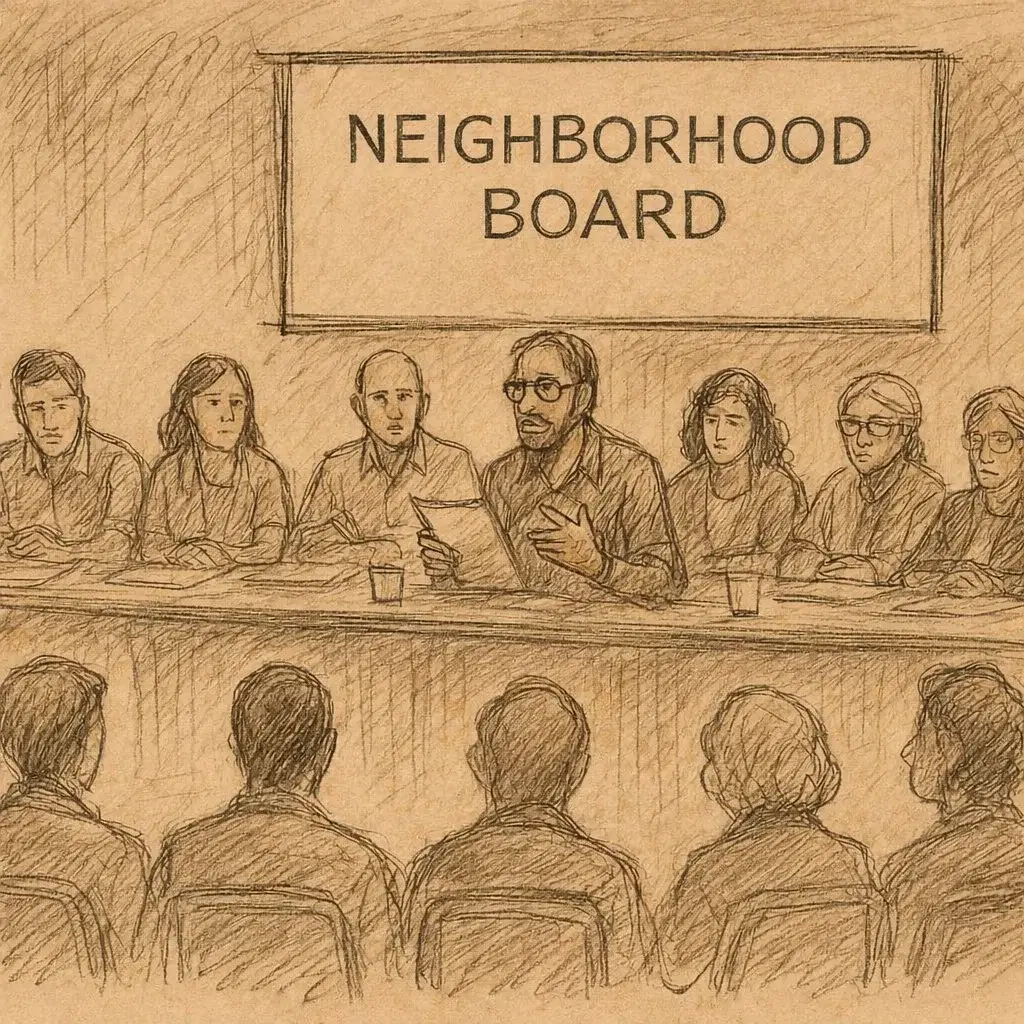
No 09 Waikīkī Neighborhood Board Regular Meeting October 2025
Waikīkī Neighborhood Board Meeting – October 14th
Opening and Next Meeting Announcement
Chair Finley welcomed everyone and confirmed that due to Veterans Day, the November meeting would be moved up to November 4th, a Tuesday. There were brief remarks on scheduling and a reminder that citizens can raise concerns not on the regular agenda for two minutes at designated times. Members and residents were encouraged to participate in discussions on pressing topics, and it was noted that the meeting would cover city agency reports, legislative updates, and proposals for community improvements in Waikīkī.
Honolulu Fire Department (HFD) Update
A firefighter from Station 7 delivered the monthly statistics, reporting one structure fire, four nuisance fires, one cooking fire, and 13 alarm activations. HFD responded to 198 medical emergencies, one motor vehicle collision involving a pedestrian, and seven other motor vehicle collisions. In anticipation of the holiday season, the department strongly advised the use of non-combustible decorations and UL-approved electrical items, along with safe practices such as not overloading extension cords and never leaving candles unattended. HFD also asked residents to keep lighters and matches away from children. No further questions were posed by the Board, and the Fire Department concluded by thanking attendees for their cooperation.
Honolulu Police Department (HPD) Update
Two lieutenants from HPD described crime statistics for September, comparing them with August figures. They noted an increase in robberies from one to three, a decrease in burglaries from 12 to six, a rise in theft from 133 to 148, and a drop in unauthorized entry of motor vehicles from 13 to seven. They also cited speed citations increasing to 13 from zero, parking citations at 2,296, and 14 loud muffler citations. Park closure enforcement remained active, leading to citations and arrests. Calls for service rose to around 4,923 for September. They confirmed 21 DUI arrests in the Waikīkī area. In dialogue with the public, HPD acknowledged recent assaults on officers, publicly discussed issues related to prosecution rates for citations, and addressed questions concerning concealed carry permits. Officers also addressed concerns around homelessness, emphasizing how limited legal mechanisms shape how they interact with homeless individuals in mental distress. HPD encouraged residents to call if they witness screaming or disruptive conduct, clarifying that formal citations and arrests often require a complainant at the scene. They concluded with a note on electric bicycles and other high-powered vehicles, pointing out difficulties in enforcement against fast and often unregistered electric motorbikes that can evade police pursuit.
Community Concerns: Homelessness, Violence, and Legal System
Multiple attendees criticized the release of violent individuals from custody who bore lengthy criminal histories. Specific references were made to assaults involving bricks, guitars, and other weapons, and how court decisions repeatedly freed suspects deemed mentally unfit. Residents expressed frustration over the perceived absence of sufficient legal or prosecutorial follow-through on violence or homelessness in Waikīkī. The board and several speakers encouraged more collaborative ways to address mental health and crime, noting that it is critical to better coordinate courts, prosecutors, and local law enforcement to protect both residents and visitors.
Questions on Citations and Concealed Carry Permits
Together with raised concerns about citations that are not prosecuted, there were also inquiries about the current status of ordinary citizens being able to obtain concealed carry permits. HPD offered general information, explaining that the department had processed hundreds of applications, and that the process in Hawaiʻi may be more stringent than in other states. Applicants were directed to the official HPD website for instructions and forms.
Policing Resources in the Hobron Lane Area
A resident representing the Tradewinds Condominiums near Hobron Lane and Ala Moana Boulevard wanted to know if that district received lower-priority policing. HPD clarified that Waikīkī is split into two sectors and each is staffed with its own officers. They emphasized no official directive placing one part of Waikīkī above another. The same resident asked how to handle homeless disruptions. HPD stated it must enforce the law, but mental health challenges, desire for shelter, and personal conduct restrictions limit their response. Residents were encouraged to call 911 if disturbances or possible mental health crises arise late at night.
Concerns about the Mentally Ill, HPD Actions, and Homeless Intervention
Neighboring residents recounted seeing ongoing incidents of people in mental crises lying in streets or acting erratically, putting their own lives at risk. Those present wanted estimates of how many such individuals end up in protective custody or receive psychiatric evaluations at hospitals. HPD noted that on average, there is at least one such intervention a week during the nights they patrol. Attendees mentioned dissatisfaction with temporary hospital holds, which release people back onto Waikīkī streets. HPD stressed that the solution requires cooperation from mental health services, courts, and elected officials to treat mental health and keep the community safe.
Electric Motorcycles and Dangerous Driving
Residents complained about juveniles and other riders of high-powered electrical motorcycles or off-road vehicles, which are unregistered and can reach up to 70 miles per hour. HPD acknowledged that current laws are unprepared to regulate such vehicles. Confiscating them is difficult because they are not legally bound to registration or licensing. Officers urged caution, explaining no clear method exists to chase these bikes without risking public safety. They said legislation requiring registration, insurance, or certain safety measures could assist in enforcement.
Traffic and Pedestrian Safety around Ina Road and Hobron Lane
A resident highlighted cars failing to halt at the stop sign on ʻOpeʻepeʻe and Hobron Lane, almost striking pedestrians and pets. HPD pledged targeted enforcement, clarified that they would remind officers to set a positive example, and indicated they could conduct routine traffic checks in the area. Further discussion centered on traffic flow through Ala Wai Boulevard, driven by commuters who view neighborhood roads as high-speed short-cuts. Members proposed reconfiguring intersections or restricting access to prevent reckless traffic and protect local walkers.
Board of Water Supply (BWS) Report
A representative announced no main breaks in the prior month and mentioned no ongoing water construction in Waikīkī. He reiterated a request for a 20% water-use reduction, citing a dry season and higher consumption, and offered resources for residents to check for leaks. BWS also stands ready to receive tips about leaks at any time. The representative welcomed follow-up on water conservation programs and potential future quarterly reports.
Public Input: Kuhio Beach Showers and City Bathrooms
Consultants from a private engineering firm introduced themselves to announce a Department of Facilities Maintenance project aiming to upgrade and revamp beach showers at Kūhiō Beach. They are in early planning phases and want community feedback on drainage, curbing nearshore contamination, and overall upkeep. Residents similarly pressed the city to reopen restrooms closed due to vandalism or mechanical issues, especially one near the Duke Kahanamoku Statue, which had been shut for three years. Community members detailed how the closure inconveniences families, surfers, and lifeguards. They urged proper budgeting for new pumps and consistent repairs.
Mayor’s Representative Update
The mayor’s liaison reviewed various city department responses to concerns from the prior neighborhood board meeting. She clarified standards for trimming tree branches (eight-foot clearance over sidewalks and 14 feet over roadways), noted that sidewalk repair areas generally have correct signage and barricades, and acknowledged that certain repair projects in Waikīkī are completed under strict schedules to minimize cost. She cited the city’s stance that left-turn signals along some Waikīkī intersections are adequate, pointing instead to instances of pedestrians crossing improperly. Additional issues included the city’s ongoing review of street sweeping times along Ala Wai Boulevard, possibilities for extended green lights, and repeated discussions about the Kuhio bus lane design.
City Council Chair Tommy Waters’ Remarks
Tommy Waters updated the board on property tax exemptions for homeowners and seniors, confirming modest increases passed by the Council. He reported demolition of a blighted building near 1615 Ala Wai, explaining that a developer might rebuild for affordable housing. He further addressed homelessness, stating that the new Homeless Solutions coordinator is exploring firmer tactics. Waters discussed policy ideas to register or license off-road electric motorbikes and, recalling previous legislative sessions, pointed out that traffic congestion remains a crucial concern for safety. Turning to the Ala Wai pedestrian bridge, he remarked the environmental assessment is undergoing its final steps, though some opposition from neighbors across the canal remains. He also noted a forthcoming measure to restore old double-turn lanes from Kūhiō onto Kapahulu to alleviate congestion. Waters explained that the early morning trash pickup proposals raised serious safety concerns for day-time traffic, noting that alternatives might include quieter trucks or bins.
Senator Moriwaki’s Update
Senator Moriwaki mentioned finalizing a community survey, indicating emerging legislation ideas will reflect its findings. She provided an update on a $5 million appropriation for planning Waikīkī shoreline protection and beach restoration. A colloquium in February will gather experts to discuss nature-based solutions for coastal preservation. She also outlined efforts to strengthen enforcement near canal culverts, referencing city-state cooperation on enforcement authority to remove people living in such areas. Moriwaki announced renewed attempts to extend and refine laws imposing felony penalties on habitual violent criminals, highlighting a plan to remove sunset provisions. She welcomed community input on support for this public-safety bill.
Representative Tam’s Update
Representative Tam reported a joint town hall at Jefferson Elementary School on November 3rd, featuring the Director of Transportation, Department of Law Enforcement, and the Insurance Commissioner, along with the Red Cross. He invited constituents to attend and discuss transportation, public safety, and disaster preparedness. Tam noted a district-wide survey was mailed, encouraging residents to respond and share concerns. He also highlighted a $50 million state fund available to nonprofits losing federal support, urging eligible organizations in Waikīkī to apply before the October 24th deadline.
Governor’s Representative Report
The Governor’s representative informed the board of the Part 2 2025 Policy Report summarizing priority initiatives on affordability, housing, homelessness, environmental safeguards, and public safety. She mentioned the Governor’s recent trade mission to Japan and Okinawa for clean energy and tourism collaboration, the continuing threat of federal funding cuts, and an executive order promoting traffic law enforcement. She also underscored the new “green fee” that may generate $100 million annually for environmental work, with a public input window on expected allocations running from mid-October to early November.
Department of Land and Natural Resources (DLNR) Coastal Projects
A DLNR administrator updated attendees on ongoing small-scale beach restoration proposals, such as leveling sand in Kūhiō swim basins, repairing broken rocks, stabilizing transition walls, and managing erosion near the Sheraton and other segments. Future design work will address outfall groins by the outrigger area, with nourishment plans for severely eroded stretches. DLNR has considered reef restoration trials to reduce wave energy and is examining Waikīkī’s overall seawall inventory for potential climate adaptation. Although there is talk of federal collaboration, DLNR expressed reservations on dealing with the U.S. Army Corps of Engineers if federal guidelines might override local preferences.
Waikīkī Beach Special Fund and Improvement Proposal
A major highlight of the evening was a proposal to use a pledged $1 million community benefit contribution from a new Hilton development to overhaul amenities at Kūhiō Beach Park. Waikīkī’s Business Improvement District praised the idea of beautifying worn landscaping, removing deteriorated picnic tables that attract negative activity, improving water systems, and upgrading showers and bathrooms. Another suggestion was converting parts of the park into a children’s recreational area or adding a Waikīkī sign for visitor photo opportunities. The Business Improvement District also plans to acquire an electric street sweeper for sidewalks and is already investing in a power-washing truck for daily cleaning. Board members voted to support this concept, calling it an opportunity to revitalize the valued public gathering spot.
Board Actions and Closing
The board discussed a suggestion to revise the Board of Water Supply’s monthly appearances to quarterly, concluding that BWS should continue to attend every month but keep reports concise. One member proposed creating an official Instagram account for the Waikīkī Neighborhood Board to broaden outreach and post important updates, and there was general agreement to proceed. The board approved last month’s meeting minutes by unanimous consent. With no further official agenda items, Chair Finley reiterated that the next meeting date would be November 4th. The meeting adjourned after a request for attendees to help remove chairs and tables.