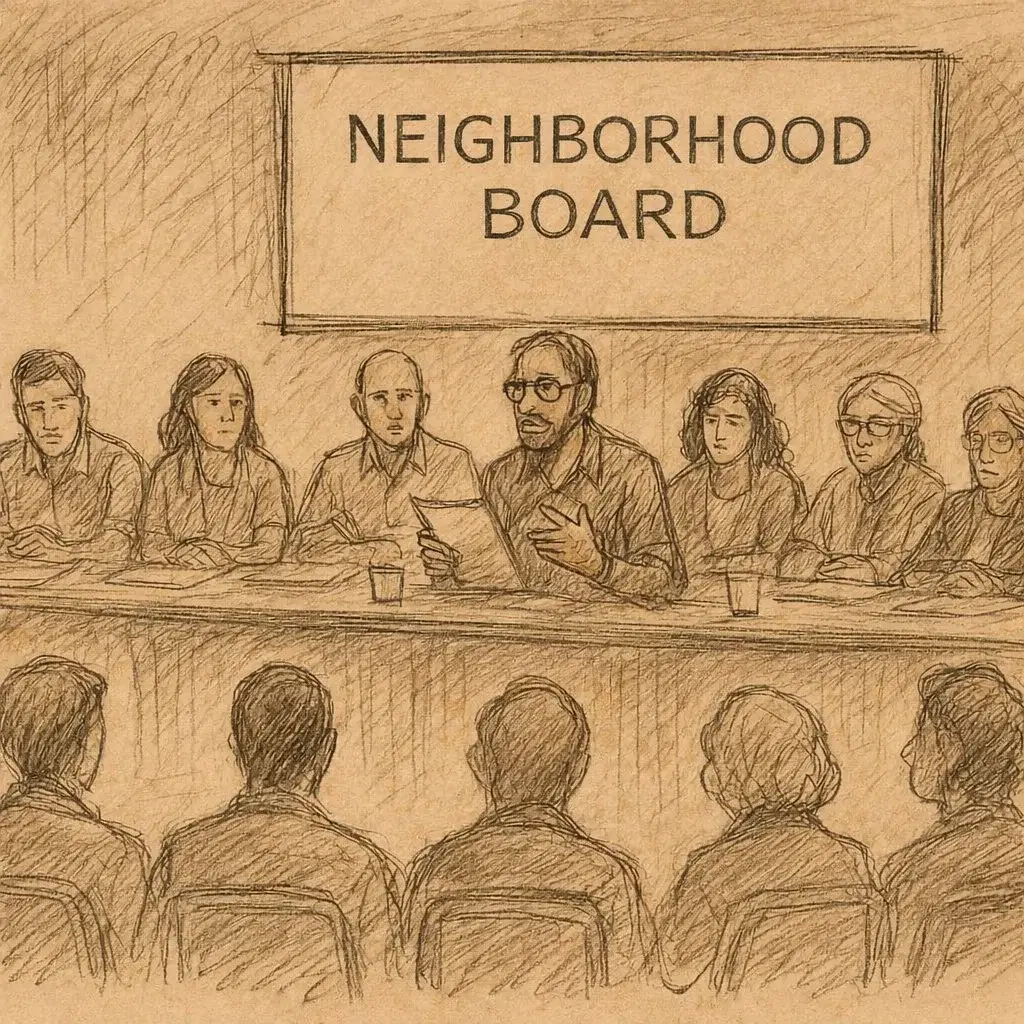
No 09 Waikīkī Neighborhood Board Regular Meeting July 2025
Waikīkī Neighborhood Board Meeting
Introduction and Administrative Matters
The meeting opened with announcements about restroom locations, fire exits, and administrative paperwork for board members. New and returning members were welcomed, asked to provide contact information, and to indicate their shirt sizes for city-provided apparel. With quorum established, the board officially called the meeting to order and confirmed housekeeping practices such as where to exit during emergencies and the need for each member’s updated personal details.
Honolulu Fire Department Report
A representative from the Honolulu Fire Department (HFD) provided statistics for July. Waikīkī Station responded to two structure fires and 13 activated alarms with no uncontained fires. They also handled 211 medical emergencies, two motor vehicle collisions involving pedestrians, three additional collisions, and three ocean rescues. The HFD shared a monthly safety tip focusing on wildland fire prevention given Hawaii’s dry conditions, emphasizing yard upkeep, proper extinguishing of campfires and barbecues, and routine machinery maintenance to mitigate fire risks. Questions from the board concerned propane tanks clustered near food trucks on Cartwright Road, prompting HFD to note that their fire prevention code bureau would follow up and assess whether the tanks require code enforcement.
Honolulu Police Department Report
Lieutenants from District 6 detailed June crime statistics in Waikīkī. There were seven robberies (down from 10 in May), 10 burglaries (down from 13), 122 thefts (a slight rise from 121), nine unauthorized entry into motor vehicles (down from 15), 30 assaults (down from 42), and four sex crimes (up from one). The department issued 14 loud muffler citations, a noted increase, suggesting stronger enforcement for vehicle noise. Police noted 4,419 calls for service, about 200 more than the prior month, and listed 36 DUI arrests in May, with 23 drivers refusing testing. Residents asked about stabbings and shootings reported islandwide, highlighting concerns about broader public safety. Police clarified that such cases outside Waikīkī would not appear in District 6 stats but encouraged dialogue. They addressed noisy vehicle mufflers, repeated violations such as double-riding on mopeds, and safety concerns in and around the zoo parking lot, where late-night gatherings are sometimes disruptive. Reports of encampments near the library and golf course, speeding along Paokalani, and issues with the newly implemented Kuhio bus lane were also raised, with HPD noting that they coordinate with city agencies and property owners to resolve public safety challenges.
Sub-district 3 Vacancy
The board voted to fill a vacant seat in Sub-district 3. Two residents, one who had previously served and one newcomer, offered their backgrounds. After each candidate addressed the board, the roll call election resulted in the reappointment of the returning member. The winner was then sworn in to serve the current term and represent Sub-district 3's residents.
Election of Officers
In keeping with the Neighborhood Board’s annual procedure, board members elected their leadership. The incumbent chair was reelected, as were the vice chair, many sub-district vice chairs, and other key officers such as secretary and treasurer. Incumbents generally retained their positions, though votes were taken by roll call to ensure transparency.
Recognition of Sharkey’s Bill
A community member received praise for successfully advocating for a new state law, referred to as Sharkey’s Bill, which mandates safety precautions around retention ponds after a tragic drowning incident. Signed by the governor, this legislation requires fencing and warning signage for new construction, as well as life-preserving devices. Although it did not include inspections due to budget constraints, the measure is expected to help prevent future accidents, with possibilities for strengthening it in subsequent legislative sessions.
Meeting Logistics, Schedules, and Time Limits
Members reaffirmed their standard practice of meeting on the second Tuesday of each month from 6:00 to 9:00 p.m., noting a potential shift in November due to Veterans Day. They also agreed to recess in December and to reinstate a stricter two-minute speaking limit for participants, acknowledging the need to streamline discussions and move through agendas more effectively. A proposal to require written questions in advance for city officials did not receive sufficient support and was ultimately withdrawn.
Public Concerns and Kuhio Bus Lane Issues
Residents voiced concerns that many benches at Waikīkī Beach Park were being removed, making it difficult for seniors or others needing to rest, while water fountains remain inoperative. Others highlighted ongoing frustrations with the dedicated bus lane on Kuhio Avenue, which they say has increased traffic congestion and limited visibility when pulling out of driveways or side streets. The mayor’s office staff indicated they would evaluate the bus lane’s performance and consider potential modifications. Likewise, board members and community members suggested the city reevaluate all logistics surrounding Kuhio’s traffic to better accommodate residents, businesses, and visitors.
Elected Officials’ Reports
Although the mayor’s representative could not attend in person, a written report addressed follow-up on items such as graffiti removal, street sweeping schedules, and updates on 436 Ena Road, which remains city-owned but heavily vandalized. A staff member for Council Chair Tommy Waters discussed the city’s condemnation and planned demolition of 1615 Ala Wai Boulevard to build future affordable housing. Meanwhile, legislative staff for Senator Moriwaki and Representative Tam summarized the wrap-up of the legislative session, including bills signed, veto processes, and ongoing efforts to create or refine short-term rental legislation and environmental protections. Questions arose regarding the details of condemnation projects, property usage, and how quickly graffiti can be removed from city sites.
Waikīkī Business Improvement District Presentation
The Waikīkī Business Improvement District (WBID) offered a comprehensive overview, emphasizing its Safe and Sound program, which coordinates with Honolulu Police, the judiciary, and social service agencies to reduce crime, address homelessness with outreach initiatives, and assist individuals in returning to their mainland families if they cannot secure stable housing in Hawaiʻi. Representatives pointed to data showing a nearly 37 percent reduction in Waikīkī homeless counts over several months and described efforts to enhance security by introducing a new safety response team. WBID will also invest in high-capacity power-washing equipment, secured trash cans, and potential public-private camera sharing to combat vandalism, monitor criminal activity, and boost public confidence. They encouraged hotels and condos to coordinate on camera access agreements that might aid law enforcement and prosecutors in solving cases more efficiently.
Approval of Minutes and Adjournment
Members approved prior meeting minutes with noted corrections, including clarifying previous votes and attendance records. The session ended with the standard request for volunteers to help tidy up tables and chairs. The board is expected to reconvene on the second Tuesday of the next month, aiming to address outstanding issues such as further traffic management on Kuhio Avenue, vandalism in parts of Waikīkī, and updates on critical municipal projects shaping the neighborhood’s daily life and future growth.