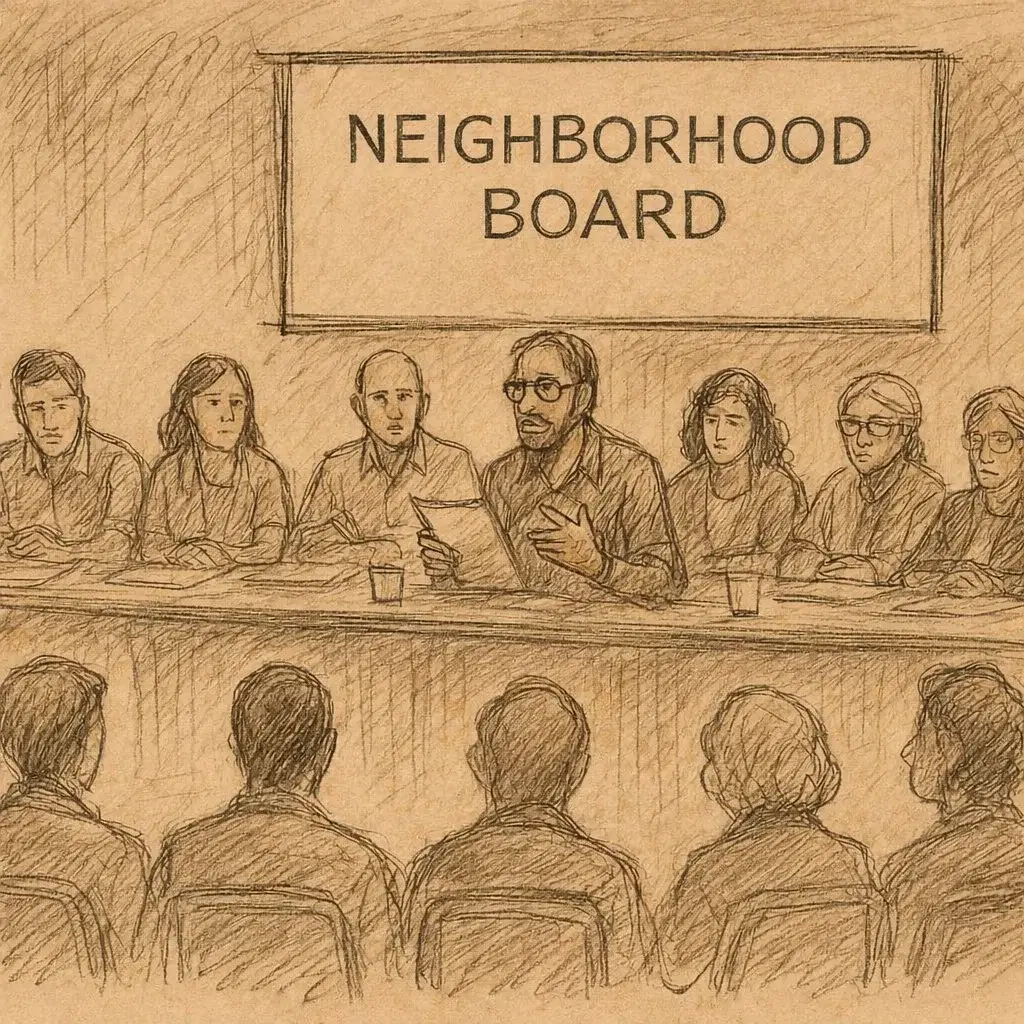
No 09 Waikīkī Neighborhood Board Regular Meeting June 2025
Waikīkī Neighborhood Board Meeting – June Session
Opening and Remembrance
The meeting began on a somber note with the announcement of the sudden passing of John, the site manager for the property where the board meets. Attendees observed a moment of silence in his honor. The chair reminded everyone that with John’s absence, there would be added responsibilities at the end of the meeting to ensure the room, windows, and gates are secured. While not directly connected to property transactions, a condominium buyer or seller may wish to know that residents and board members take communal responsibilities seriously and come together during transitional times, which can foster a stable and cooperative environment in a building or neighborhood.
Honolulu Fire Department (HFD) Updates
A captain from the Waikīkī Fire Station reported on May’s emergency statistics, which included nuisance call data, fire alarms, medical calls, collisions, and a hazardous materials incident. For condo buyers and sellers, this breakdown underscores the typical scope of emergencies in Waikīkī, including frequent medical calls and occasional nuisance fires that buildings and residents should be prepared for. HFD also launched two new public data tools on its website that allow residents to view interactive maps and trends in their neighborhood’s emergency activity. Being able to research how often local fire crews respond to certain building types offers valuable insight into safety conditions and emergency preparedness in Waikīkī.
Honolulu Police Department (HPD) Statistics and Community Concerns
HPD representatives provided crime statistics, which included notable shifts in robberies, burglaries, thefts, car break-ins, assaults, and sex crimes. For someone considering real estate in Waikīkī, these numbers give a sense of patterns in property crimes and personal safety. HPD also discussed issues such as loud mufflers, illegal parking, sidewalk sleeping by unhoused individuals, and enforcement of park closure rules. Condo owners may want to pay attention to how often HPD is called to their prospective building’s vicinity and whether there is a direct correlation to property values or quality-of-life considerations. The officers mentioned that resource limitations can sometimes delay enforcement, including citations for excessive noise. They encouraged attendance in ride-alongs and direct community engagement, signifying that the department remains open to fostering partnerships between police and residents, a factor that can reassure potential condo buyers wishing to invest in a safe area.
Homeless and Social Services Discussion
A community member explained that counts of people experiencing homelessness in Waikīkī showed a decrease in the area, partly due to vigorously enforced park closures that have made it harder for unhoused individuals to set up tents there at night. Although property projects near homeless encampments can carry concerns about disturbances, the overall decrease in unsheltered residents may be viewed as a meaningful sign of progress for potential buyers seeking reassurance about crime or loitering. It also highlights that local systems are in place to assist and shift the houseless population away from permanent presence in tourist or residential zones.
Board of Water Supply Notices
A representative from the Board of Water Supply mentioned that no water main breaks occurred in the area last month. Although not dramatic, the absence of main breaks suggests relative system stability. The board emphasized continued water conservation measures as usage rises. Because water costs eventually factor into routine condo fees and overall living expenses, potential buyers can note that usage spikes during summer months can slightly influence monthly dues, especially if a building factors water usage into maintenance costs. Knowing that local infrastructure does not suffer frequent disruptions can reassure those seeking a reliable property investment.
Key Updates on City Business and Elected Officials
Multiple representatives for the City and State—namely from the mayor’s office, the city council chair, the governor, and area legislators—offered reports on upcoming projects, budget allocations, and proposed legislation. For real estate purposes, the most significant news touched on sewer rate increases, city permit processes for new developments, decisions on street closings for parades, and updates to neighborhoods’ regulatory oversight. A few board members inquired about ramped-up budgets, emphasizing that the money spent on projects such as new bridges or thoroughfare expansions ultimately impacts property taxes, potential resale values, and the overall well-being of the community.
Police Commission and Neighborhood Commission Discussion
One item of municipal governance highlighted was whether the current police commission structure is effective. This does not directly involve real estate pricing or condo regulations, but indicates the broader climate of community oversight. A robust police commission could strengthen law enforcement accountability, which can improve neighborhood security and property values. Therefore, though not directly about buying or selling, the debate can guide prospective owners on the local government’s responsiveness to community safety concerns.
Waikīkī Improvement Association and Sunset on the Beach
A representative from the Waikīkī Improvement Association discussed the family-friendly Sunset on the Beach events presented in partnership with the city and vital sponsors such as Southwest Airlines. These monthly movie showings on the beach attract visitors and residents alike and emphasize the area’s dedication to local culture and tourism-friendly activities. For people evaluating condos, knowledge that an active schedule of beach-related community events can foster strong rental demand for both short-term and long-term living. It also demonstrates that Waikīkī invests in entertainment amenities, which can elevate a property’s desirability.
Legislative Session Updates from a Neighborhood Board Working Group
The board revisited a list of legislative priorities they had supported at the start of the state session, including reforms on assisted community courts, mental health triage centers for homeless individuals, regulations for noisy mufflers, potential improvements to the Ala Wai Canal’s debris management, and updates to the condominium insurance market. Seven measures the board supported either became law or were on track to be signed. For homeowners and investors, noteworthy among these laws is the final condo insurance restructuring, which aims to stabilize insurance premiums for high-rise buildings. There is also the requirement that vehicles meet noise standards at safety checks, an indication that Waikīkī’s governance is trying to cut down on noise pollution and enhance residential quality of life.
Ala Wai Pedestrian Bridge Resolution
A much-discussed matter was a proposed resolution to require a full Environmental Impact Statement (EIS) for a planned pedestrian and bike bridge over the Ala Wai Canal. The resolution’s supporters argued that a thorough EIS would protect historical and scenic views, prevent unwelcome structural intrusions, and potentially preserve traffic lanes and local parking. Opponents felt that a formal EIS might be unnecessary under certain environmental review thresholds and that a modest bridge could improve direct access between Waikīkī and the Moiliili/University areas, increasing walkability and possibly decreasing vehicular congestion. Residents and board members voiced opinions ranging from complete opposition to the bridge to support for a scaled-down, cost-effective version. While the resolution did not pass, prospective buyers or sellers of real estate should know that how this bridge project proceeds could affect property values if it eases mobility for pedestrians and cyclists or, conversely, if it diminishes scenic vistas and intensifies crowding. Monitoring these developments, knowing the final design, and considering community input on large infrastructure additions can be essential steps for an informed real estate decision in Waikīkī.
Closing and Housekeeping
With major agenda items completed, the board quickly addressed and approved prior meeting minutes. Community members were encouraged to help secure and clean up the room in remembrance of John, highlighting how residents often step up to fill roles when building staff or community figures pass away. This culture of assistance can be a draw for newcomers to Waikīkī’s condo life, reassuring them that people contribute to and maintain property integrity together.
These June proceedings emphasized topics that can directly impact real estate: ongoing infrastructure plans such as the Ala Wai Canal bridge, neighborhood security and policing strategies, potential changes in noise and traffic issues, improvements to community events, and a broad focus on mitigating homeless concerns. This collective information is valuable for anyone looking to buy or sell in Waikīkī, as the decisions by local and state governments, combined with robust community engagement, can shape the neighborhood’s desirability and property values for years to come.