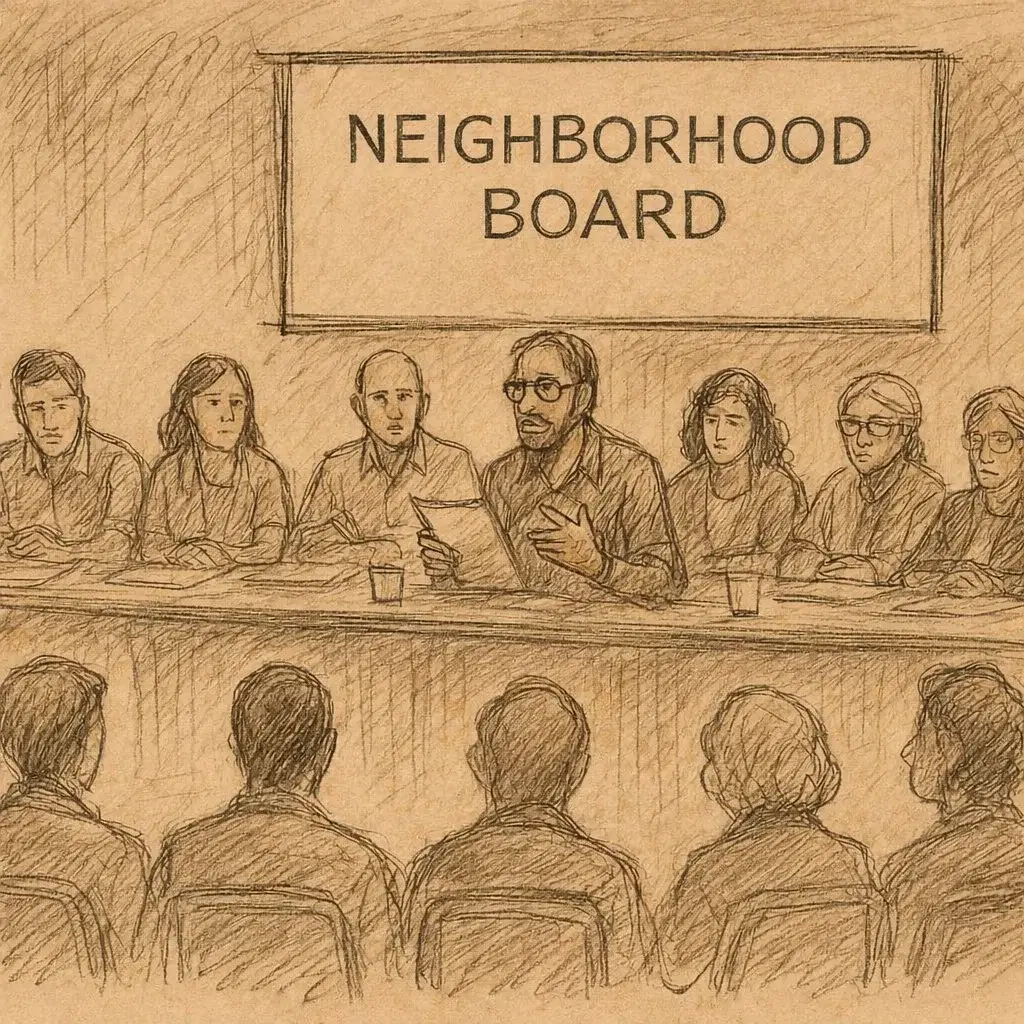
No 27 North Shore Neighborhood Board Regular Meeting March 2026
Listen to this article:
27 North Shore Neighborhood Board Meeting – March 25, 2026
Opening of Meeting and Agenda
Chair Kathleen conducted the meeting at the Haleʻiwa Gym, calling it to order roughly one and a half minutes earlier than scheduled. Initially, the Board planned to address a standard list of topics; however, due to recent severe flooding in the region and a special request from Mayor Rick Blangiardi and his team, the Board unanimously decided to set aside the original agenda and devote this gathering to the pressing flood-related issues. The meeting was officially recognized as a Neighborhood Board session and recorded for public access on the Neighborhood Commission website.
Invocation
Before discussions began, a prayer was offered by Tyler, acknowledging the community’s emotional stress and collective hardships following the storms. He asked for patience, understanding, and compassion, hoping that solidarity and collaboration would guide policymakers and residents in forging a clear path toward recovery. This set a reflective and respectful tone for the meeting, with many community members affirming or echoing “Amen.”
Mayor’s Introduction and Overview of Storms
Mayor Blangiardi recounted the chronology of two successive Kona Low systems that struck Oʻahu within weeks of each other. The first brought unprecedented rains—up to 50 inches in some areas—while the second, predicted to be weaker, caused even more localized devastation on the North Shore. He highlighted the city’s effort to preemptively clear streams and prepare emergency services. Nevertheless, a sudden “rain bomb” of ten inches within three hours overwhelmed forecasts. The Mayor referenced his background in media and shared how he had never seen such unpredictable radar readings, emphasizing that the city and state had deployed significant resources to mitigate risk as quickly as possible.
Critiques of Emergency Response
Residents described a lack of immediate official assistance in the storm’s early hours. Many reported having no sirens or alerts until late at night or early morning, after water had already reached dangerous levels. Some voiced confusion over phone alerts implying dam failure, while law enforcement and city representatives acknowledged that communication systems underestimated the severity of the second storm. Community members stressed that volunteer rescue efforts, including neighbors driving front loaders and excavators, were indispensable in saving lives. There were calls for apologies or acknowledgments from officials, who responded that first responders had also been overwhelmed and that several officers’ own homes suffered flood damage. Still, the broad sentiment remained that city services and announcements should have mobilized sooner.
Dam Safety and Oversight
Discussion repeatedly turned to Lake Wilson’s dam, currently owned by Dole, and concerns about the water level nearing or exceeding critical thresholds. Residents noted a lack of clarity on whether the dam was truly at risk of catastrophic breach or simply overflowing from heavy rainfall. The Mayor indicated that detailed information on the dam lies primarily with state-level jurisdictions like the Department of Land and Natural Resources (DLNR). Some community members urged a quicker transfer of lake infrastructure to the state to ensure more structured oversight. The Board mentioned an upcoming DLNR hearing, encouraging residents to submit testimony in support of finalizing that transfer as a means of centralizing dam management and avoiding confusion during future storms.
Maintaining Waterways and Streams
Nearly everyone agreed that clogged rivers, overfilled streams, and sediment buildup worsened the disaster. Residents traced this to factors such as deforestation, erosion caused by land sales and development, plus the accumulation of debris in critical passages like Long Bridge and Kūkaʻīa Circle. Several longtime Haleʻiwa families explained that in plantation days, these waterways were wider and more regularly dredged, preventing massive floods. Now that land stewardship responsibilities have become fragmented across multiple private owners and unclear regulatory lines, vital stream maintenance has lapsed. Community members called for a resurrected system—akin to traditional konohiki management—to hold all stakeholders accountable for regularly clearing river mouths, drains, and easements before storms strike.
Communication and Community Coordination
A major point of frustration was what many perceived as inconsistent or delayed updates. By the time severe flooding occurred, social media and word-of-mouth alerts from neighbors outpaced official channels. Some calls to 911 were reportedly met with instructions to “wait and see,” and roads were only partially closed or mis-marked, leaving residents unsure about escape routes. Suggestions for improvement included more robust use of reverse 911 technology, earlier statewide siren activations, precise definitions for “dam failure” versus “overflow,” and the practice of staging equipment and personnel in high-risk areas as soon as intense rainfall is forecast. The Mayor and city officials pledged to incorporate these recommendations into future emergency protocols.
Community Assistance and Volunteer Efforts
Residents gave heartfelt tributes to local heroes who used their personal bulldozers, dump trucks, and other heavy machinery to rescue neighbors stranded on rooftops and in submerged cars. The collective consensus was that “people power” was the primary lifesaver during the crisis. Community volunteers cleared mud, salvaged belongings, and each day updated each other on where the greatest needs remained. Some asked the city to reimburse these private efforts, especially as machine repairs and diesel costs continue to mount. Others proposed formalizing collaborative plans authorizing locals as first-tier responders when official personnel cannot arrive quickly enough.
Infrastructure, Permitting, and Development Concerns
Concerns about unpermitted construction, illegal grading, and funneling of water into neighborhoods underscored the call for the Department of Planning and Permitting (DPP) to strictly enforce building codes that protect natural water channels. Parallel issues arose for newly developed parcels on high ground, as losing vegetation accelerates runoff. Many demanded that large agribusinesses, real estate developers, and private landowners be held financially responsible for sediment dumping and water diversion. Several described a regulatory ping-pong, wherein city, state, and private entities shift blame for clearing culverts, drains, and stream mouths. DPP officials acknowledged the need for swifter oversight and simplified permitting waivers for urgent repairs, confirming that many post-flood fees would be waived.
Health Services, Cleanup, and Relief Efforts
City representatives detailed how battered infrastructure challenged debris removal, with both H-Power and the landfill struggling under waterlogged conditions. An emergency proclamation allowed them to establish a temporary dumping site in Central Oʻahu. Crews from the Department of Facility Maintenance (DFM) and the Department of Environmental Services (ENV) reported mobilizing trucks and vacuum equipment. Medical concerns included mold abatement and the need for N95 masks, antibiotics, and disinfectants. EMS Director Jim Ireland shared that a local ambulance was lost while rescuing a trapped family. A temporary community clinic was established by CORE and the John A. Burns School of Medicine to offer free medical treatment, prescription refills, and mental health support. The city advertised a new Community Assistance Center at Wailua District Park to facilitate ongoing relief and resources.
Calls for Future Preparedness and Collaboration
Several speakers referenced the area’s deep history with flooding, recalling past tragedies like the 1974 flood that claimed an entire local family. They urged officials to gather lessons from each event and form a “living document” or an emergency master plan—one that partners with the biggest landowners and recognized local leaders who know natural drainage routes. Residents requested repeated meetings that include property owners, DPP, DLNR, the National Guard, and others under a single framework, so that accountability would be shared and finger-pointing minimized. The Mayor’s Office of Climate Change, Sustainability, and Resiliency pledged to be part of these talks, stressing the importance of climate adaptation.
Closing Remarks
Chair Kathleen and the Mayor acknowledged the emotionally charged nature of the evening, thanking residents for candidly expressing their experiences. The Mayor expressed gratitude for the kindness, bravery, and unity displayed, promising that the city would apply the feedback to improve its protocols and responsiveness. He reiterated his commitment to a sustained presence on the North Shore until recovery is complete and pledged better pre-storm preparations in the future. The meeting officially adjourned with a commitment for ongoing dialogue, deeper collaboration, and renewed efforts to prevent such a devastating event from recurring.