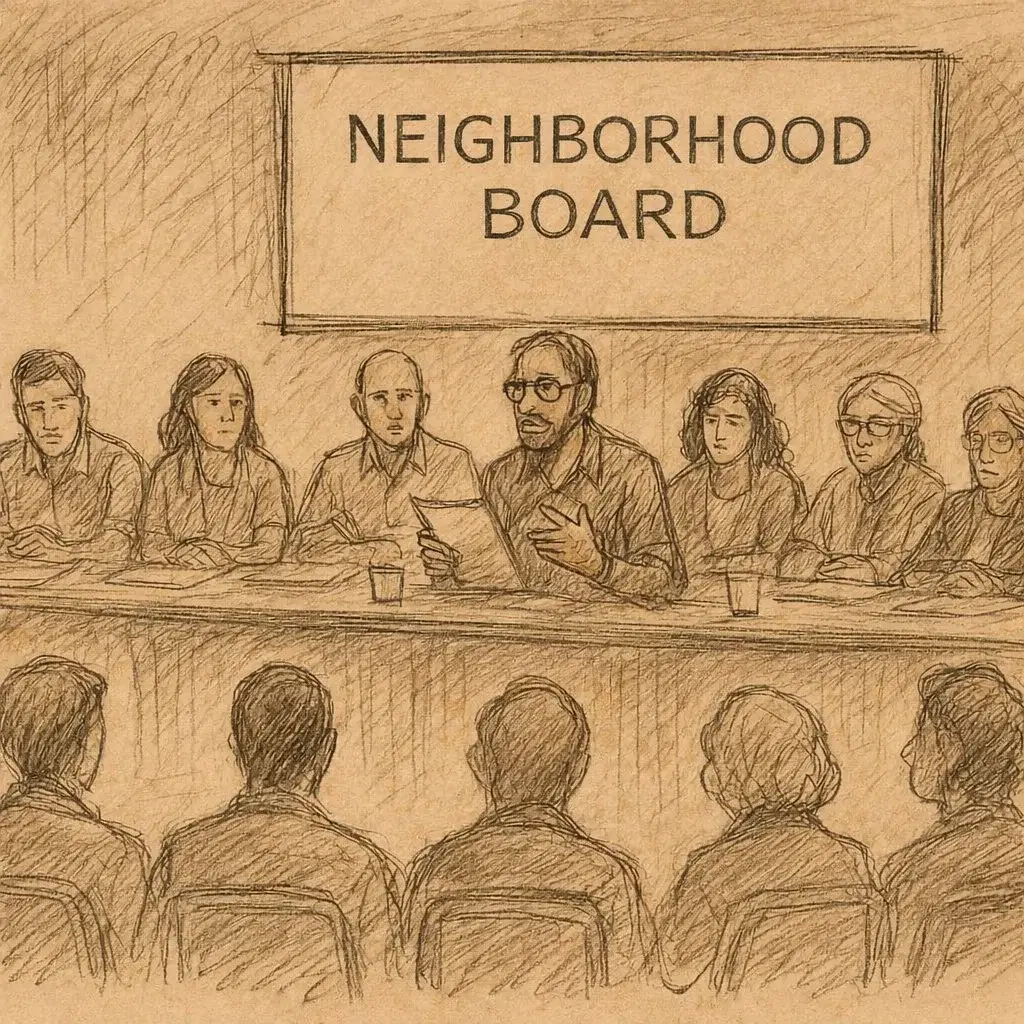
No 27 North Shore Neighborhood Board Regular Meeting September 2024
North Shore Neighborhood Board Meeting
E-Bike Safety and Youth Ridership
Community members expressed growing concern over e-bike use among local youth, citing frequent sightings of underage riders performing dangerous maneuvers near driveways and on busy streets. Several residents described e-bikes speeding past cars and riding along unsafe shoulders, leading to worries about potential collisions. The conversation highlighted the difficulty of regulating e-bikes, distinguishing them from mopeds or motorcycles, and the challenge of consistent law enforcement when parents are the primary means of oversight. Officials clarified that vehicles without pedals or meeting larger engine thresholds are not classified as e-bikes, and must instead follow more stringent legal requirements. Those gathered affirmed the need for expanded road safety education for students, parents, and the broader community to mitigate hazards.
Traffic Speed and Roadway Concerns
Speakers addressed repeated complaints about speeding and accidents on Haleiwa Road, noting a history of collisions and near-misses. In the past, the speed limit was increased from 15 mph to 20 mph, prompting criticism that higher speeds worsened safety risks. Residents urged the board to support possible speed bumps and other traffic-calming measures, especially near accident-prone corners and areas with a history of vehicles running off the roadway. Neighborhood Board members acknowledged the ongoing discussion of infrastructure changes, and local officers confirmed that future meetings would include proposals for additional traffic remedies.
Moratorium on Development Proposals
A detailed draft resolution called for a temporary halt to new and large-scale developments until the updated North Shore Sustainable Communities Plan is approved and implemented. Multiple residents supported pressing “pause,” referencing climate change impacts, overcrowded roads, and strained resources as reasons for managing growth more carefully. Others worried that a broad-based measure might unintentionally penalize smaller landowners, nonprofit projects, and families seeking to remodel or build modest homes. After extensive debate, board members agreed more revisions were needed to address unintended consequences. The resolution was deferred for further refinement, with the goal of crafting language that balances infrastructure limits, environmental considerations, and residents’ ability to build on existing lots.
Bill 64 Regarding Agricultural Lands
The Neighborhood Board’s Agriculture Committee presented a resolution containing recommended adjustments to Bill 64, which seeks to revise O‘ahu’s Land Use Ordinance. Focal points included confined animal raising, agritourism, and the definition of farm dwellings. Committee members proposed tiered setback requirements based on animal type and commercial scale, as well as clarifications for farm worker accommodations and small-scale agricultural retail. Community members voiced support for protecting existing farmers while discouraging large estates that misuse agricultural zoning. Concerns about foreign ownership rules, preservation of food security, and confusion over the CPR (condominium property regime) process were also raised. The board voted to endorse the Agriculture Committee’s resolution, with an amendment to remove provisions allowing vacation cabins in certain agricultural zones.
Water Supply and Other Resident Concerns
Board of Water Supply representatives offered to answer questions, though none were posed during this meeting. One resident announced the date of the Haleiwa Christmas Parade and noted that local signage near Sunset Beach Elementary School might need correction. Another resident advocated for adding a direct lifeguard option on 911 calls, citing critical time savings in ocean emergencies. Requests for better lighting at Haleiwa Beach Park also surfaced, referencing homelessness and other safety threats. Various participants stressed the need for integrated answers to community issues, especially those involving beach usage, road conditions, and emergency service coverage.
Coastal Erosion and Threatened Homes
Residents and board members described severe coastal erosion at Pupukea, where one house is already collapsing into the ocean and another is close to doing so. Past violations, unauthorized protective barriers, and neglected cesspools prompted widespread alarm about environmental harm and public safety risks as debris falls onto the beach. Government officials promised to seek immediate solutions that involve legal action, cleanup, and the mitigation of harmful runoff. Concerns included the capability of emergency services to respond quickly, how to hold homeowners accountable for damages, and the long-term management of shorelines threatened by sea-level rise and storm surges.
Recognition of Efforts at Kawaihāpai (Dillingham) Airfield
Former State Senator Gil Riviere and community leader Ben Devine both received acknowledgment for their work in preserving operations at Kawaihāpai Airfield. Their efforts involved advocacy for continued civilian aviation leases, opposition to abrupt closure proposals, and finding solutions for the airfield’s water and lease agreement challenges. Elected officials praised them for coordinating multiple stakeholders—including the military, State Legislature, Congress, and local businesses—to sign a new lease ensuring the airfield’s future for aviation enthusiasts and commercial skydiving operators.
Elected Officials’ Updates
State legislators spoke about forthcoming measures to address illegal shoreline structures, speed mitigation on local roads, and steps to manage the ongoing spread of the coconut rhinoceros beetle. A possible emergency proclamation may expedite green waste disposal and incineration permits, easing the burden on local farms that suffer pest-related losses. Officials also discussed the complexities of cesspool upgrades, referencing high costs, limited contractors, and the need for a realistic timeline to meet statutory conversion deadlines. In addition, the Legislature continues to evaluate proposals limiting foreign land purchases and promoting local food production on agricultural parcels.
Meeting Conclusion
As the session concluded, the chair thanked participants for their input. Board members noted they would revise the proposed development moratorium resolution for a future meeting, emphasizing collaboration among residents, local businesses, and government agencies. The board adjourned after reiterating the importance of continued community engagement on traffic safety, shoreline preservation, land-use enforcement, and prudent management of natural resources.