No 36 Nānākuli-Māʻili Neighborhood Board Regular Meeting March 2026
Listen to this article:
36 Nanakuli-Maili Neighborhood Board Meeting – March 18, 2026
Meeting Opening and Rules
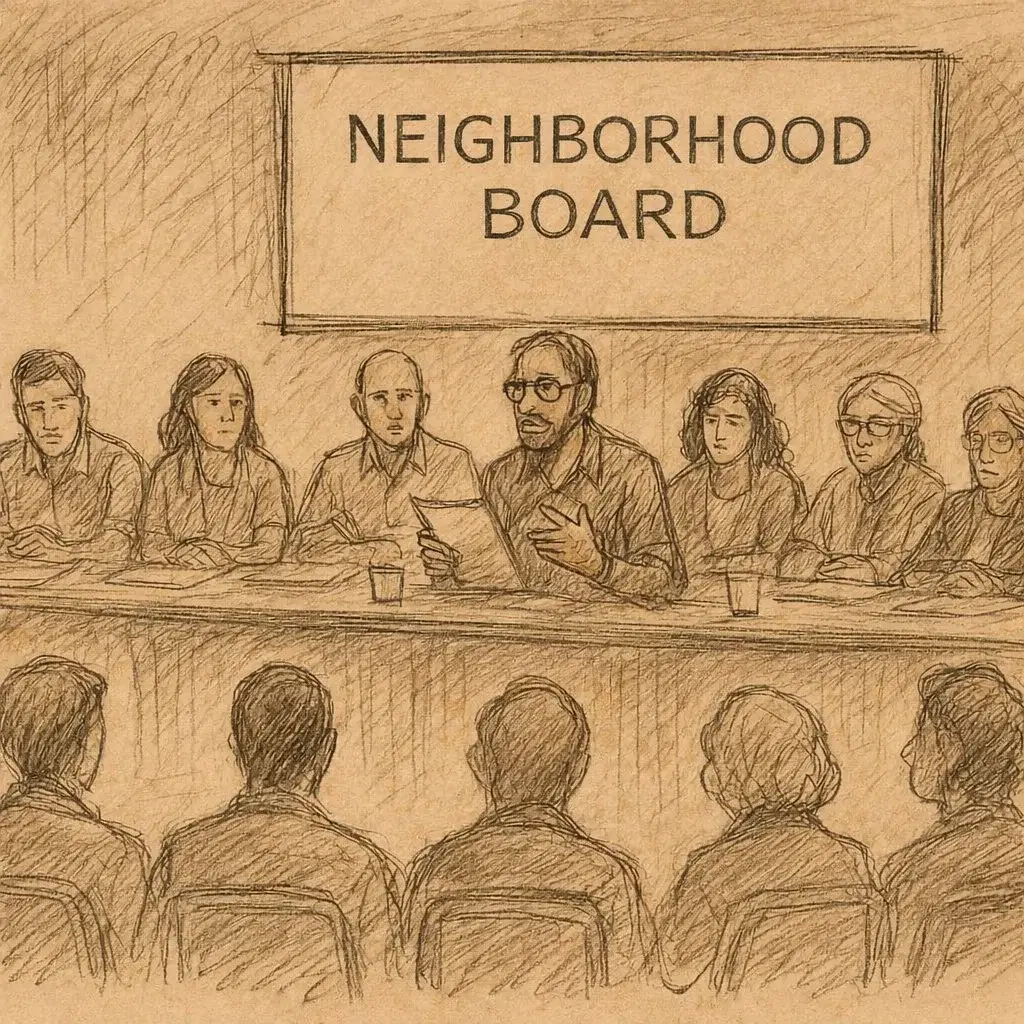
The meeting began with Chair Malia Gustin calling it to order, noting that it was held at the Nanakuli Public Library and virtually via WebEx. Attendees were reminded of proper speaking procedures, including time limits of two minutes for public comments, three minutes for official reports, and ten minutes for presenters. The Chair explained that questions would first be taken from the community, then from the Board, and that any misconduct would result in removal. The gathering opened with a pule (prayer), followed by a roll call of Board members. The Chair emphasized that a neighborhood board meeting is a forum for government representatives, elected officials, and the public to share mana‘o, addressing community concerns with aloha and respect.
City Emergency and First Responder Monthly Reports
Honolulu Fire Department (HFD) Captain Scott Oshiro gave statistics for February 2026, describing eight nuisance (rubbish) fires, six activated alarms, 105 medical emergencies, two motor vehicle collisions, one ocean rescue, and one hazardous materials incident. He reminded everyone that smoke alarms must be installed properly and tested monthly to save lives.
The Honolulu Police Department (HPD), represented by Sergeants Fumi Morioka and Roland Pagan, reported that for the Nanakuli area in February, there were zero motor vehicle thefts, zero burglaries, 16 thefts, two vehicle break-ins, and 1,176 total calls for service. They also explained protocols for park enforcement and responded to past community questions about homeless outreach, emphasizing that they do not perform “sweeps” but rather enforce park rules while offering services. HPD noted ongoing coordination with a new Safe and Sound Westside Coordinator to increase crime mapping and community awareness.
Honolulu Ocean Safety Lieutenant Blake Kaparos acknowledged recent drownings, ocean rescues, and shark sightings. He warned of changing currents caused by heavy storms opening streams, creating abrupt sandbars and rip currents. He encouraged people to check with lifeguards about new hazards and reminded everyone that rescue equipment and signage is posted at local beaches.
Federal Officials Monthly Reports
A staffer for Congresswoman Jill Tokuda, Tolua Samiua, spoke about recent town halls across the state and the ongoing Congressional Art Competition themed “Reflections of Hawaii.” Though no additional O‘ahu town hall is confirmed, the office hoped for increased participation from Nanakuli and Ma‘ili students. Questions from Board members focused on federal funding for Red Hill cleanup and the military’s leases on public land. The staffer pledged to provide official clarifications and to circulate contest details in hopes of broader student engagement.
Major Adam Teachee of the U.S. Army’s 25th Infantry Division noted planned training that may cause noise around Schofield Barracks and indicated prescribed burns would occur in mid-April to reduce wildfire risks. He acknowledged community questions about helicopter flights, community cleanups near military gates, and differences between residential and base power outages.
Navy representative Jewel Felipe reported on a multi-agency Kolekole Pass exercise that occurred in early March to confirm evacuation routes. She also outlined updated road repair challenges and relevant legislation (Senate Bill 3156) that could streamline military-civilian road repair projects. In response to flooding impacts around Pākeʻa Road, the Navy agreed to a future site visit with community members and local officials to review the situation and plan further coordination.
Presentation: Kavaihona o Ka Na‘auao Public Charter School
School Po‘okumu Kalehua Krug sought the Board’s support for a Lā Kū‘oko‘a Parade and Ho‘olaule‘a on November 21, 2026. The plan is for a procession on Nanakuli Avenue leading to Kalaniho‘okaha, followed by a cultural celebration emphasizing Hawaiian Kingdom Independence Day. Traffic would be rerouted from 2 p.m. to 4 p.m., with festivities continuing until evening. Board members, recognizing the potential cultural and educational benefits, unanimously voted to support the required road closure permit and associated logistics for the event.
Presentation: Composting Pilot Program (Grow)
Henry Gabriel of the City’s Department of Environmental Services introduced a six-month pilot, “GROW” (Green Recycling Organic Waste), launching April 1. Households using automated collection are encouraged to place fruit, vegetables, dairy, meats, bones, and other food scraps directly into their green bins alongside green waste. The goal is to divert food waste from landfills or H-Power, reducing odors and pests by layering food scraps with yard clippings. Eventually, composted materials will be used by local farmers. The city hopes to expand island-wide in October 2026, with future drop-off points and broad public workshops scheduled. Concerns ranged from freezer capacity to paper contamination, but participants agreed the initiative could mitigate trash volumes and promote sustainable, circular food-waste cycles.
Presentation: Waimanalo Gulch Sanitary Landfill
Program Administrator Josh Nagashima reviewed O‘ahu’s waste management system: about 700,000 tons of municipal solid waste go to H-Power annually, generating 250,000 tons of ash and residue. Waimanalo Gulch, established in 1987, remains the island’s only sanctioned municipal solid waste landfill. The facility’s permit condition sets a closure date, but state laws prohibit opening new landfills above certain groundwater zones or prime agricultural lands. Nagashima explained that newly passed legislation has left few alternatives, with Maka Iwa Hills immediately adjacent to Waimanalo Gulch now possibly the only viable site. Community members voiced frustration that proposals again place the burden on Nanakuli and Ma‘ili, citing pollution and health risks. Officials plan an April 18 site tour of H-POWER, Hawaiian Earth Recycling, and the landfill, hoping to increase transparency. Residents remain skeptical, urging stronger consideration of their health, environment, and cultural heritage in all decision-making.
Resident and Community Concerns
Multiple residents spoke passionately about chronic flooding on and near Pākeʻa Road, describing knee-deep polluted runoff that has displaced families, destroyed cars, and contaminated homes. They stressed the persistent failures of agencies and landowners to address drainage infrastructure. Several families, including those on a farm offering transitional housing, are now dealing with health hazards, damaged belongings, and uncertain futures.
Others called on the Board and elected officials to oppose renaming Piliokahi Avenue, explaining its 70-plus-year history and the generational ties that residents hold to its current name. Families described feeling disrespected by nighttime changes to signage and stressed the potential cultural erasure at stake. Several testifiers also raised concerns about accountability at Nanakuli High and Intermediate School, canceled student events, and the need for school-community collaboration.
State and City Official Monthly Reports
State Senator Samantha DeCoite, newly in office, emphasized her commitment to resolving the Pākeʻa Road flooding with all stakeholders, admitting that the scope of the mess has been daunting. She also announced progress on Papahana o Kaiona’s new school property in Wai‘anae and recognized the achievements of local boxing programs, supporting a legislative plan to honor trainers, gyms, and champions.
Board of Water Supply spokesperson Kathleen Pahinui disclosed several water main breaks and apologized for related disruptions. She updated the Board on Kaukau Mana water system improvements, explaining that while design planning is moving forward, final completion may take up to seven years. She hopes to work cooperatively with residents on gaining necessary easements.
Representative Darius Kila joined online, noting the House’s advances on local infrastructure and flooding-related appropriations. He pledged to keep pressing for Pākeʻa Road solutions, though he cautioned that private roads complicate the allocation of public funds.
Neighborhood Board Business and Resolutions
Members addressed four resolutions aimed at improving community conditions. One resolution supports ADA-compliant, Olmstead-aligned housing for kūpuna and disabled residents, ensuring any proposed facility is properly designed, accessible, and integrated within the broader community. Another resolution opposes legislation (SB 2423/HB 1734) that could reduce minimum lot sizes in urban districts, citing risks of overdevelopment without adequate infrastructure. The Board unanimously passed a resolution seeking clearer governance and compliance measures for Nanakuli High and Intermediate School’s Community Council, reflecting concerns about parent and community engagement. Finally, the Board passed a resolution requesting that Ko‘olina be officially included in the Nanakuli-Maili Neighborhood Board boundary, noting that Ko‘olina and Waimanalo Gulch lie within the traditional moku and share infrastructure and environmental concerns with 96792.
Announcements
Attendees and Board members were reminded of upcoming events, including the mayor’s town hall at Wai‘anae District Park, the Nanakuli “Grow” workshop at Nanaikapono Elementary, and various community gatherings postponed due to flooding. A concluding mahalo proceeded the meeting’s adjournment, with the Chair thanking participants for their dedication and urging ongoing advocacy and respectful engagement.