No 07 Mānoa Neighborhood Board Regular Meeting March 2026
Listen to this article:
7 Manoa Neighborhood Board Meeting – April 2, 2026
Welcome and Roll Call
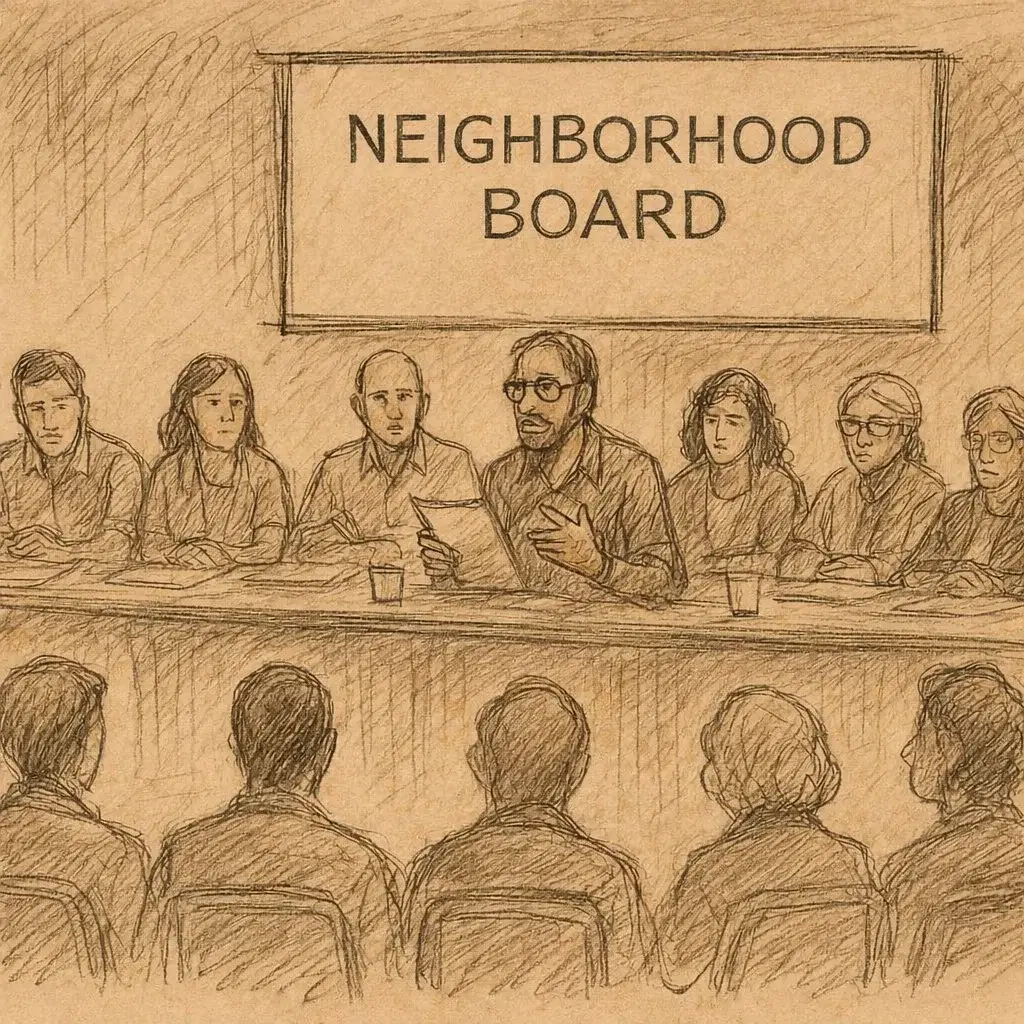
Board Chair Jerry McGonagall convened the meeting at 6:30 PM in a different venue due to flood damage at the normal location. Members were called upon to confirm attendance, confirming that at least eight were present—enough for quorum. Some confusion regarding the meeting venue and logistics was noted, but the chair affirmed that business would proceed as scheduled.
First Responders’ Reports
A representative from the Honolulu Police Department (HPD), Lieutenant Nakamura, offered monthly statistics comparing March to the previous month. Motor vehicle thefts rose from 12 to 19, burglaries rose from 1 to 3, thefts increased from 4 to 12, and unauthorized entry into motor vehicles (UEMVs) rose from 0 to 4. In total, there were 5,697 calls for their district during March. The HPD representative emphasized preparedness for natural disasters, referencing a recent large Antarctic earthquake that prompted a tsunami watch (later canceled) and urging everyone to review evacuation zone information preemptively.
Board members and residents raised concerns about citations related to storm debris, specifically cases in which homeowners cut or burned trees and placed them near the stream so that floodwaters might carry them away. The HPD representative stated that if there is a clear legal violation, citations can be issued, but officers typically need witnesses willing to identify the violator and to be part of a case. The board and community members expressed frustration over difficulties in enforcing regulations against property owners who discard large debris that could clog bridges and exacerbate flood conditions.
Major Flooding Concerns
Much of the evening focused on the heavy rains and subsequent flooding that occurred on March 23, 2026. Residents described seeing streams rise rapidly to nearly unprecedented levels, water overrunning bridges, and houses and businesses in low-lying areas becoming inundated with floodwaters. Manoa Marketplace and various streets—especially near the Woodlawn area—experienced significant damage. Several speakers stressed that although their individual properties avoided the worst impacts, neighbors nearby faced extensive losses.
Concerns emerged about the safety of schools during flash floods, especially Noelani School, where floodwaters entered the campus. Parents noted that had the flood arrived during school hours, major injuries or worse could have occurred. Several parents expressed alarm that no specialized warning or siren alerted them in time, and many suggested a customized flood warning system specifically tailored to the valley’s severe weather patterns and school locations.
Enforcement of Stream Maintenance Laws
Community members criticized what they perceived as lax enforcement of city regulations assigning landowners responsibility for keeping streams free of debris and excess vegetation. Scott Snyder, a longtime Manoa resident, presented a letter that referenced the city’s Department of Facility Maintenance (DFM) and prior enforcement letters—some dating back to 2002—requiring prompt cleanup to prevent flooding. He called for DFM officials to recommence active stream inspections, issue violation notices, and apply fines if necessary. He pointed to a lack of consistent enforcement and noted that private subdivided streams are difficult to keep clear without organized oversight, since there are over a hundred different owners along Manoa Stream.
Residents described the recent flood as a “20-year storm,” remarking on the risks of people stacking logs or debris near the water, counting on high water to carry it away. They called for new or reinvigorated collaboration between HPD, DFM, and other agencies so that illegal dumping in or near streams can be promptly verified and cited.
Albizia Trees and Vegetation Management
Residents also raised concerns about dead or dying albizia trees visible along the Koʻolau ridges, speculating that herbicide treatments to control the invasive species might have left large stands of dead trees that could topple into streams. Questions about root stability and storm debris risk prompted calls for accountable management plans. Some asked for clarity on which agency is responsible for these visibly dangerous trees should they crash downhill. While the police department does not supervise vegetation, residents were directed to identify whether it is on city, state, or private land and report concerns to the appropriate authority.
Community Insights on Flooding Impacts
Affected homeowners and volunteers shared stories of how quickly roads became impassable and how debris, including large trunks or bulk items, emerged in the water. Several pointed out that partial stream blockages forced water into unexpected places, triggering new flood routes in neighborhoods that had rarely flooded. Three main themes emerged from public testimony: urging officials to restore routine clearing of major stream channels, establishing reliable warning systems for residents and schools, and rethinking the long-term consequences of building in or near flood-prone zones.
Some noted that older neighborhoods lacked major sidewalks or drainage upgrades, contributing to runoff. Others worried that poorly coordinated city and state jurisdiction prevented prompt solutions—people often called multiple agencies only to hear repeated referrals without results. Many participants called for deeper interagency collaboration and possibly an investigative task force to study the March storm’s causes, responses, and missed opportunities to mitigate damage.
Proposed Resolution for Sidewalk Construction
Member Christopher Moylan presented a resolution advocating sidewalks along certain streets recognized in the Oahu Pedestrian Plan as Tier 1 high-priority projects, specifically highlighting Lowry Avenue, as well as major thoroughfares connecting to schools. The stated goal was safer pedestrian routes and decreased reliance on driving. The board debated potential negative impacts of increasing impervious surfaces, citing recent flood experiences and concerns about cutting trees or removing green areas. The board approved an amended version of the resolution specifying that where sidewalks are installed, efforts should be made not to remove any existing mature trees, and that Lowry Avenue would have a sidewalk on only one side. Proponents argued that sidewalks improve safety and reflect longstanding city guidelines, while opponents voiced concern about creating more runoff and losing vegetation.
Proposed Resolution for Underground Utilities
The board next debated a resolution proposing the undergrounding of utility poles along University Avenue from the United Methodist Campus Ministry to East Manoa Road. The motivation was safety and reliability: downed power lines following collisions or high winds can block roads, spark fires, and cause prolonged power outages. References were made to the devastating August 2025 Maui fires, which were believed to have started as a power line issue.
Questions arose about where best to begin such a project, with some suggesting it would be more critical further in the back of the valley. Others worried about potential logistical disruptions if the work required major road closures. However, the resolution phrased it as a pilot project because existing underground lines end near the campus ministry, making it arguably simpler to extend them into Manoa. The resolution passed with amendments clarifying that this would serve as a potential first phase or pilot for more extensive undergrounding in the future.
Neighborhood Commission Update
Patrick Smith, Chair of the Honolulu Neighborhood Commission, addressed the board about ongoing revisions to the Neighborhood Plan, explaining that new procedures for complaint adjudications, among other topics, were being refined. He encouraged board members to voice any changes or updates they wish to see in the plan, particularly regarding outdated structural requirements like the mandatory treasurer role. He also invited members to suggest boundary or subdistrict revisions ahead of the overall redistricting timeline. Smith emphasized that the commission exists to support neighborhood boards and that assistance is available if the board contemplates hosting special forums or coordinating with other boards.
Meeting Conclusion
Before adjournment, the board swiftly announced that its next meeting would be on Wednesday, May 6, 2026, anticipating continued discussions about flood recovery and possible policy solutions. Members acknowledged that flood complaints, planned resolutions, and proposed legislation will require further orchestration among HPD, DFM, Council offices, and the mayor’s administration to expedite enforcement, arrange resources, and implement preventive measures. The meeting then adjourned, concluding an extensive session dominated by flood mitigation efforts, community safety demands, and proposals to enhance infrastructure resiliency in Manoa.