No 34 Makakilo-Kapolei-Honokai Hale Neighborhood Board Regular Meeting October 2025
Makakilo/Kapolei/Honokai Hale Neighborhood Board No. 34 Meeting
Opening of the Meeting and Roll Call
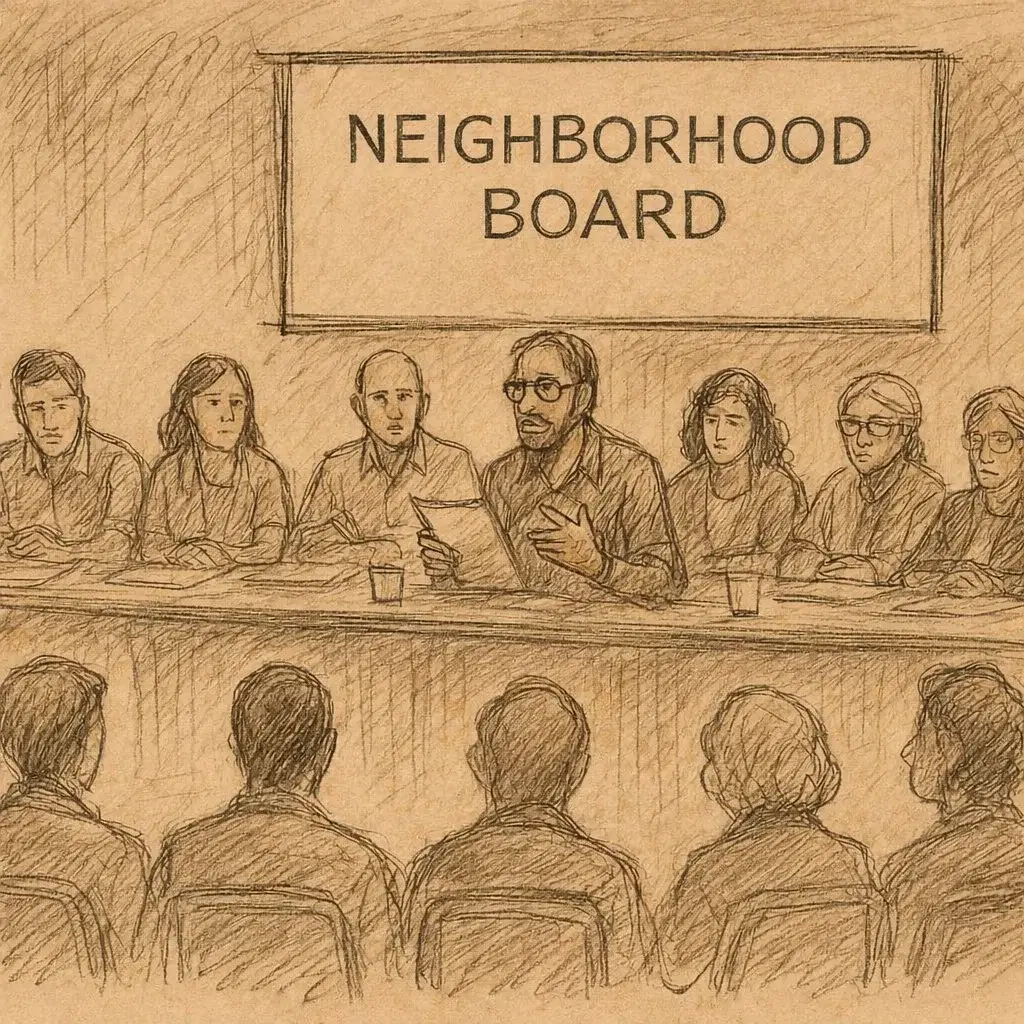
Chair Anthony Makana-Paris called the October 22nd meeting of Neighborhood Board No. 34 to order, welcoming in-person attendees at Kapolei Hale Conference Rooms A and B, as well as participants online via Webex. He reminded everyone of the procedures for public input, including raising hands virtually or in person, introducing themselves for the record before speaking, and maintaining respectful decorum. Board members in attendance—both online and in person—confirmed their presence when called. A quorum of seven board members was established, enabling official business to proceed.
Honolulu Fire Department (HFD) Report
Captain Edward Lee from the Makakilo Fire Station presented the September 2025 statistics for fires and emergencies in the area. He noted zero structure fires, one wildland brush fire, five nuisance fires, three cooking fires, and 21 activated alarms. Emergency responses reached 182 medical emergencies, four motor vehicle collisions with pedestrians, and ten other motor vehicle crashes. Captain Lee also shared timely fire safety reminders regarding holiday decorations. He advised using fire-resistant decorations, checking that lights are in good repair, and turning off electrical decorations when away or asleep. He ended by urging everyone to keep lighters and matches secured and out of reach of children.
Other Agency Reports
Honolulu Police Department and Board of Water Supply did not have representatives present at this meeting. If they arrived later, they would have been given a chance to speak, but they ultimately were not in attendance. The Office of the Mayor was represented by Ms. Deborah Zeisman, who mentioned the ongoing work of the City Charter Commission and welcomed any questions or concerns from the community and board members. She noted she was new to the role and would relay community inquiries to the Mayor’s office. Board Member Kahele thanked the Mayor’s office for the smooth organization of a recent Waikīkī Shell tribute event, and Second Vice Chair Dr. Keoni Dudley requested city attention to dying trees on Makakilo Drive. Ms. Zeisman committed to investigating these concerns.
The meeting heard no updates from other government agencies such as the Hawaiʻi Department of Transportation or the Office of Hawaiian Affairs. The Oʻahu Metropolitan Planning Organization (OʻahuMPO) report was provided by Uncle Frank Gennadio, who stated that the Citizen Advisory Committee meeting for October was canceled. However, OʻahuMPO collected substantial public input on the Oʻahu Regional Transportation Plan for 2050, including concerns for the Makakilo Drive completion project.
Presentation: National Park Service Superintendent (Canceled)
Chair Makana-Paris informed everyone that Superintendent Christine Ogura from the Honouliuli National Historic Site could not attend due to a federal government shutdown. She had sought an exemption to speak, but was denied. The Chair hoped she would be able to present at a future meeting if the shutdown ended.
Presentation: Laulima Affordable Housing Development
Mr. Kalana Park, Vice President of Laulima Hawaiʻi, offered an update on a planned 750-unit affordable rental complex near Kapolei Parkway. He reminded the board that the project’s 201H exemptions and low-income housing tax credits had been approved by both the Hawaiʻi Housing Finance and Development Corporation and the Honolulu City Council. The development would permanently keep all 750 units as affordable rentals, with 500 units at up to 120% area median income (AMI) and 250 units targeted at 60% AMI and below. He shared renderings of the multi-story buildings, indicating solar carports, rooftop solar, bike and board storage, and future plans for additional EV charging capacity. Construction is expected to be completed within 18 months of groundbreaking, aiming for summer 2027 occupancy if city permits are secured promptly.
Mr. Park also described the adjacent five-acre community park featuring raised-bed gardens for both keiki and kūpuna, monthly ʻohana days, and a dog park with two zones separated by native hedges. He confirmed that a traffic impact report would be released soon for the extension of Kapolei Parkway to Ko Olina but acknowledged concerns over thoroughfare and congestion. Multiple board members pressed him on overcrowded schools, water and sewer infrastructure, escalating hurricane risks, and the need for robust construction practices that exceed Category 3 hurricane conditions. He responded that advanced techniques were being considered, but specific design changes could still be refined. Community members urged comprehensive environmental and cultural preservation, most notably citing nearby historical sites and water resources that must be protected during development.
Public Input on Other Community Concerns
Attendees and board members then raised various issues not on the main agenda:
• Aloha Racing (D. Wiedemann) announced four upcoming running events on Oʻahu’s west side in 2026, assuring that no roads would be closed and that any potential traffic impacts would be minimal and early in the morning.
• Leslie Keating, a Kapolei High School band board member, promoted the October 28th Marching Band Festival and encouraged community support, mentioning the band’s upcoming Washington, D.C. performance.
• William Albritton offered an update on the proposed Makakilo Bluffs development. He shared that the new owner was considering vertical farming on agricultural land but was also doing light grading, prompting a Department of Planning and Permitting review. He noted prior investigations into the limited farmability of the steep terrain.
• Leticia Hernandez from the Villages of Kapolei Association voiced ongoing concerns about financial transparency, the association’s five-year strategic plan, and proposed annexation of nearby properties, including the Daniel Akaka Veterans Home. She highlighted the importance of community members understanding management and budget decisions.
Board Officer Removal Discussion
A scheduled agenda item addressed community-driven concerns around the conduct of Second Vice Chair Dr. Keoni Dudley and whether to retain him in the officer role. Various board members and the public expressed respect for Dr. Dudley’s long-standing dedication to environmental advocacy, housing, and community matters. However, they also cited multiple situations—especially at a past meeting—where they felt his conduct toward a community participant was unprofessional and intimidating.
Following statements from community members in support of Dr. Dudley’s record of service, board members discussed the heavy responsibility of officers to maintain professional decorum. While several members emphasized that no one wanted Dr. Dudley to leave the board entirely, they believed his continuing in an officer capacity was untenable. The motion to remove him from the second vice chair position carried by a majority vote of 5–1, with two abstentions. As a result, Dr. Dudley retains his seat as a board member but no longer serves as second vice chair.
Beautification and Holiday Committee Report
The beautification and holiday subcommittee, led by Board Members Mikiʻala Lidstone and Dr. Amy Bosler, shared details of this year’s Christmas tree design. The theme is “Navigating the Stars,” drawn from Polynesian wayfinding traditions. They plan to incorporate sustainably made ornaments, including woven fish, recycled materials, origami albatross, and canoes symbolizing interisland connections. They also noted potential partnerships with Hokuleʻa crew members and local volunteer groups to create and donate ornaments. The board approved the proposed design, including a kapa tree skirt, tea leaf garlands, and a silver-blue color palette to depict ocean voyages at night.
Emergency and Disaster Preparedness Resolutions
The board next considered an extensive set of resolution concepts on hurricane, flood, and general disaster readiness for the region. These included urging stricter building codes, advocating new schools and government buildings be Category 5-rated, encouraging developers to exceed minimum standards, and outlining possible funding mechanisms such as public-private partnerships or state tax incentives. They also debated whether to merge all requests into one comprehensive resolution or to separate out military land lease negotiations—seen by some as a key funding source for new shelters and by others as a distinct political issue with implications for Native Hawaiian rights and cultural sites.
Ultimately, the board agreed on the substance of all the proposed emergency preparedness recommendations, including the call for stronger homes and the creation of safe rooms. However, it voted 5–2 (with one abstention) to adopt Chair Makana-Paris’s approach of splitting the total content into two separate formal resolutions, rather than integrating them into a single document. One resolution focuses exclusively on comprehensive disaster preparedness measures, while the other addresses the potential use of any new military land lease agreements to fund shelters and strengthen community infrastructure, insisting upon public input and cultural protections.
Conclusion and Adjournment
With the meeting running late, the board agreed to finalize details of specific resolutions at a special session. The Chair reminded everyone of logistics around future gatherings, urging them to stay attentive to posted agendas and invitations. He announced adjournment with gratitude for all who attended and contributed to the discussions.