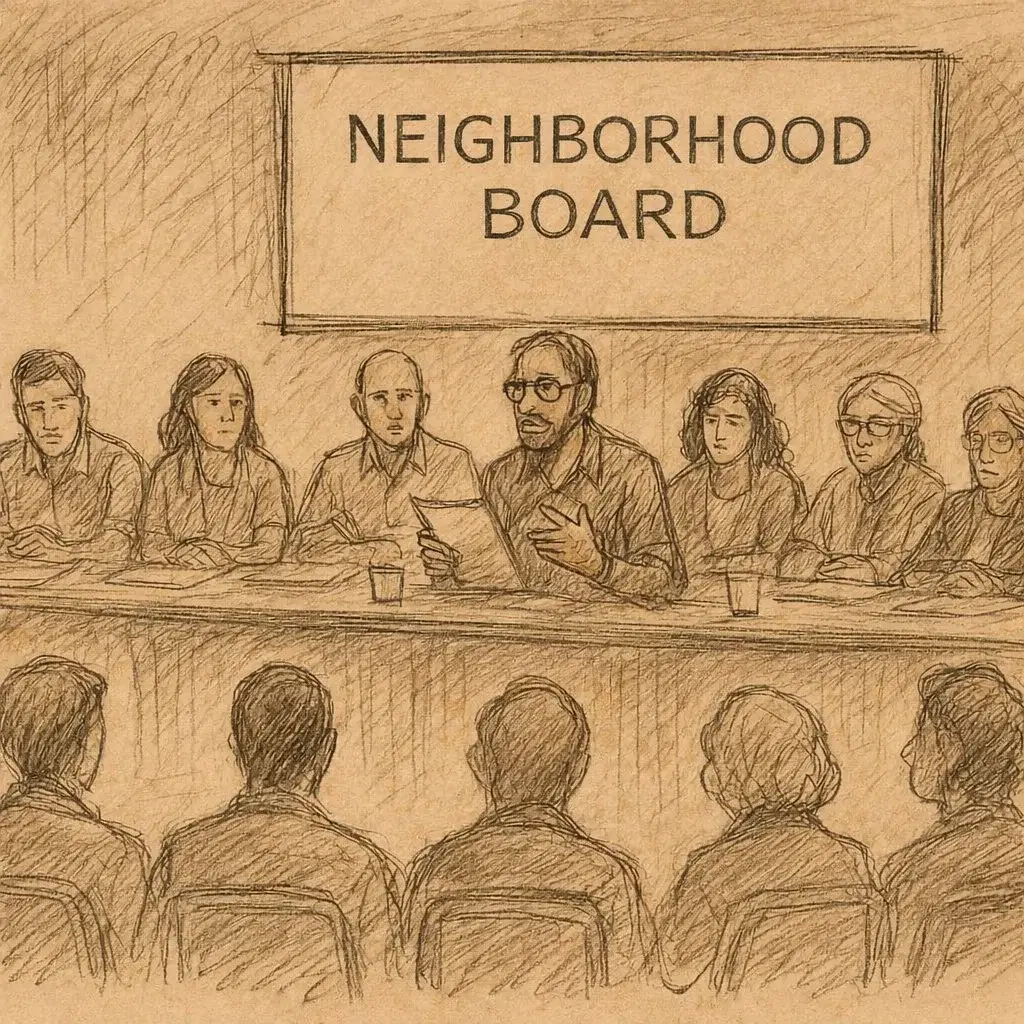
No 28 Ko`olauloa Neighborhood Board Regular Meeting January 2026
Listen to this article:
Koolauloa Neighborhood Board Meeting Summary
Opening of the Meeting and Introductions
The meeting began with a warm welcome from the chair, who thanked community members for attending and expressed appreciation for the commitment of everyone making time to be there on a New Year’s evening. The board officially convened, briefly acknowledged the agenda, and called the first presenters to speak.
Honolulu Fire Department Report
A representative from the Honolulu Fire Department (HFD) provided incident statistics for the month of December, noting one structure fire, two nuisance fires, and no cooking fires. A total of 48 medical emergencies took place, with five motor vehicle collisions and one ocean rescue. There were no hazardous materials incidents. HFD offered an electrical safety tip emphasizing the importance of checking for overheating appliances and properly using extension cords, recommending licensed electricians for any home electrical work. The board took note but asked no follow-up questions, and the HFD representative concluded by offering a website for more detailed fire response information.
Honolulu Police Department Report
Representatives from District 4 of the Honolulu Police Department (HPD) discussed crime statistics. For November, they noted six motor vehicle thefts, two burglaries, six thefts, seven unauthorized entries into motor vehicles (UEMV), and zero robberies. December saw a slight uptick with seven motor vehicle thefts, three burglaries, seven thefts, four UEMV, and zero robberies. A board member questioned whether these statistics revealed a major increase, but HPD clarified that each category had risen only by one or remained the same. Residents raised concerns about crime’s possible ties to economic hardship and asked if any specific neighborhood was more affected. HPD responded that reports were higher in other districts compared to Koolauloa. Community members also asked about unauthorized fireworks and bombs on New Year’s Eve. HPD indicated there would be a citation and arrest report by the next meeting and that citywide drone use for fireworks enforcement seemed limited. Residents described homemade bombs dropped into streambeds and expressed alarm at the lack of visible police patrols. HPD clarified that identifying those responsible for these explosives is challenging without specific addresses or witness statements. The board urged residents to call 911 if they heard blasts. HPD added that confronting large fireworks displays is also difficult because officers need concrete leads for enforcement. They advised community members to remain vigilant, report concerns, and understand that successful citations require public cooperation and detailed reporting.
Government Reports Panel
City, state, and federal representatives offered updates in a panel format, agreeing to answer questions collectively afterward.
A mayor’s liaison announced highlights from the Mayor’s Newsletter, including the swearing-in of a new Chief of Ocean Safety, upcoming flood risk maps, and vandalism at a restroom near Kapi‘olani Community College. The city had also launched an improved HNL 311 system enabling residents to submit issues more efficiently to city departments.
A representative from City Councilmember Matt Weyer’s office highlighted legislation related to agritourism, seeking to ensure public notification and board involvement when minor conditional use permits are proposed for such activities. The office encouraged community members to contact the council’s zoning chair to schedule a hearing on that resolution.
A staff member from U.S. Congresswoman Jill Tokuda’s office summarized recent congressional actions, including measures to extend Affordable Care Act premium tax credits, legislation focusing on preventing untraceable firearms, and a bipartisan letter urging adequate staffing for the National Park Service.
A representative from the Governor’s Office deferred transportation concerns to the Department of Transportation (DOT) official and relayed that wind turbine safety issues would be redirected to the State Energy Office. The DOT official described a design project creating a shared-use path near Kahuku Medical Center and explained that WorkWise Hawaii presentations can include distribution of reflective items for pedestrian safety. The official also confirmed that DOT is working on obtaining an updated walkway in Kahuku but needs clarification regarding rumble strip concerns in Hau‘ula, which community members described as deteriorating cut marks in the road from water pipe installations.
State Senator Brenton Awa’s legislative aide indicated that the 2026 legislative session would begin soon, that January 28 was the final day for bill introductions, and that community grant-in-aid applications were due in late January. He encouraged the board and residents to contact the office with questions.
A staff member for State Representative Sean Quinlan pointed to ongoing concerns about Kamehameha Highway near a Haula bridge. The representative is scheduling a meeting with DOT to address these hazards. His office also connected a community nonprofit with a corporate donor to support a local event. They noted that Representative Quinlan intends to introduce a measure to ban the pesticide Telone, known chemically as 1,3-dichloropropene, citing health impacts.
During the Q&A, residents raised frustrations about the status of relief programs through Catholic Charities Hawaii, difficulties in wind turbine setbacks and safety, and the need to coordinate with multiple agencies. The board proposed visits and tours for legislators, including hosting the State Energy Office and congressional staff to show how close turbines are to schools and homes. Officials promised follow-up on fireworks, liquor sales to minors, bridge quality, and further collaboration when the next round of data becomes available.
Presentation: Proposed Haula Footpath
A group of BYU–Hawaii, Windward Community College, and Haula youth stakeholders proposed constructing a footpath along approximately 3.5 miles in Haula to improve pedestrian safety. They explained that Haula lacks sidewalks, causing accidents and near-misses for walkers and children. They outlined a design concept with pervious concrete and native Hawaiian plants in raised planters to provide a buffer from traffic. The plan would include benches and primarily run mauka side of Kamehameha Highway to minimize erosion risks. They estimated a cost of roughly nine million dollars but suggested incorporating private and public partnerships for funding. The board applauded their research, asked clarifying questions about maintenance and how the path might join with existing bike routes, and agreed to draft a formal resolution of support. The board encouraged the students to coordinate with state and city agencies, consider expansions beyond Haula, tap into local horticultural expertise, and examine ways to lower cost through community volunteer labor.
Presentation: Wastewater and Infrastructure Challenges
A community association leader outlined critical needs in Ko‘olau Loa, most urgently the failing cesspools that cause significant pollution in Haula and beyond. She referenced recent studies showing high water contamination levels, particularly in areas that rely on cesspools rather than septic or advanced treatment units (ATUs). She expressed urgency in obtaining state or federal funding to convert outdated facilities and pointed to city responsibilities for providing equitable wastewater treatment. She also underscored that crumbling roads, aging bridges, and limited emergency shelters leave the entire region vulnerable to major floods or hurricanes. The conversation turned to ways the neighborhood board might push for a robust resiliency hub, improved roads, telecom partnerships, and updated building standards. The board contemplated forming a group to approach the legislature, mayor’s office, and city council to demand stronger powers for neighborhood boards and to highlight the immediate need for major infrastructure improvements.
Discussion of Neighborhood Board Priorities
As the meeting looked ahead, the board debated how to compile both short-term and long-term priorities across committees. Members agreed that special meetings might be scheduled to determine a legislative strategy, recognize which proposals to bring before the city, and unify the board’s message. They recognized that numerous topics—transportation safety, wastewater solutions, emergency preparedness, sustainable local agriculture—deserve continued organization and advocacy. The chair asked each committee to consider its core goals and the chair of each subcommittee to solicit ideas while respecting open meeting rules. The board planned to hold a special meeting soon, before the start of the legislative session, to finalize the action plan for presenting its priorities to government officials.
Community Comments and Miscellaneous Updates
A resident voiced concerns about a specific bridge in Hau‘ula near Okai Beach. The dip in the road is worsening, posing risks for passing vehicles, and they asked for immediate DOT attention. Transportation committee members resolved to follow up with the governor’s liaison. Another board member reported that cars are illegally parking near the Castles Beach area and raised the suggestion that commercial kayak tours might be complicating access for local residents. Multiple proposed approaches for signage or enforcement were mentioned. Residents also noted interest in a farmer’s market to promote local produce and climb toward food security, though previous attempts in Haula struggled with consumer habits and the complexities of produce sales. Nevertheless, board members expressed willingness to explore ways of showcasing local farmers and letting SNAP or WIC benefits be used for direct produce purchases. The meeting ended with a final motion to approve minutes and a reminder that the next regularly scheduled meeting would be in February. The board adjourned after two hours, acknowledging that members may meet sooner for a special discussion on legislative advocacy, infrastructure, and strengthening local governance.