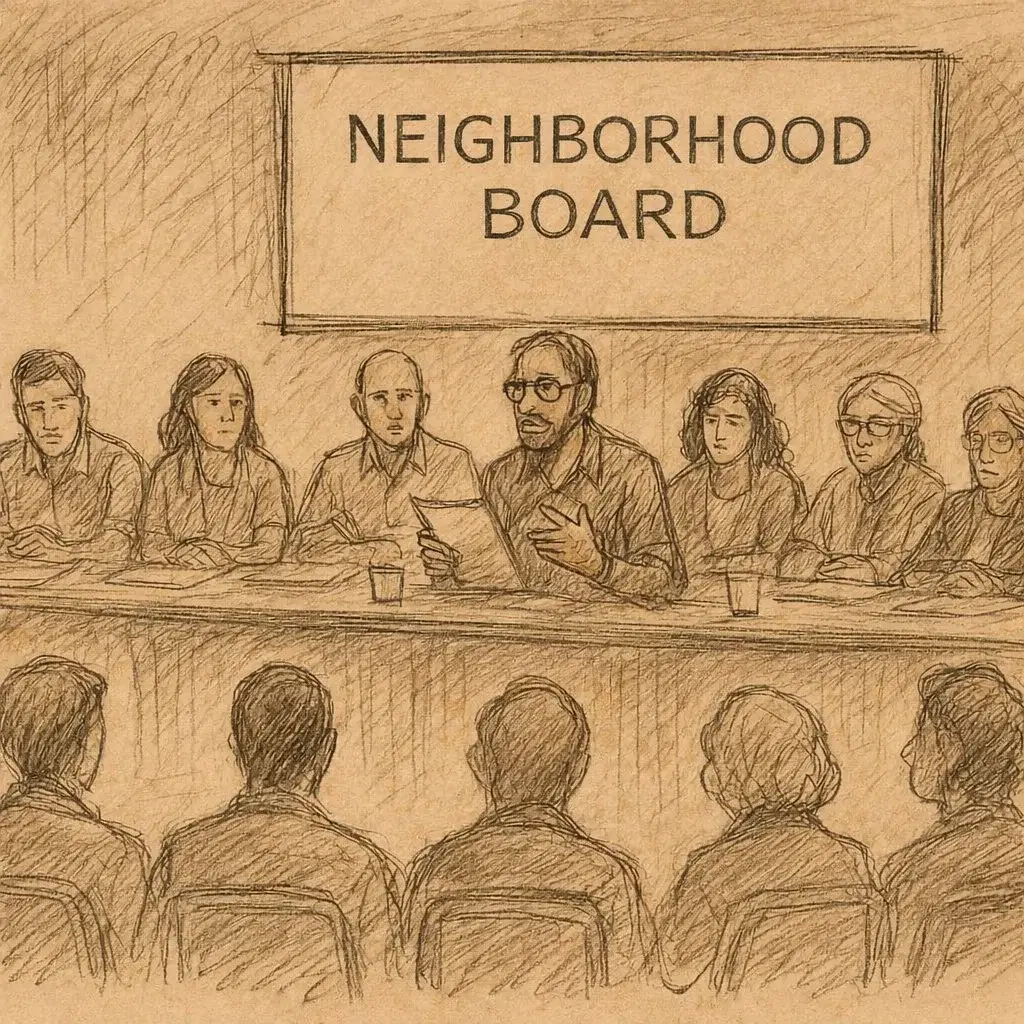
No 04 Kaimuki Neighborhood Board Regular Meeting February 2026
Listen to this article:
4 Kaimuki Neighborhood Board Meeting – February 19, 2026
Road Safety and Traffic Fatalities
Board members and residents heard an overview of current road safety conditions, including traffic fatalities in Hawaiʻi. As of February 11, 2026, there were 13 traffic deaths statewide, compared to 16 at the same time last year. Occupants of vehicles accounted for the majority of these fatalities, highlighting that collisions remain a leading public safety concern. The discussion noted a long-standing goal of Vision Zero, prioritizing efforts to reduce traffic deaths to zero, and reaffirmed the board’s commitment to apply this principle at the neighborhood level in Kaimuki. Several community members emphasized the importance of continued vigilance, better infrastructure, and stronger public awareness on local roads.
Legislative Proposals for Pedestrian and Intersection Safety
Attendees reviewed several bills introduced at the state level, all aiming to improve conditions for pedestrians and clarify rights-of-way at crosswalks. One idea is the Leading Pedestrian Interval (LPI), granting pedestrians a head start of three to seven seconds before parallel vehicular traffic receives a green light. A further proposal would designate all-way walk signals, including diagonal crossing, at school-adjacent intersections, improving clarity and possibly protecting children traveling on foot. Board members expressed a desire to stay informed as session bills progress, encouraging residents to contact legislators if they support these pedestrian safety measures.
Micromobility Regulations and E-Bike Education
Community members heard about proposed state legislation addressing the increasing use of e-bikes, high-speed scooters, and other micro-sized electric vehicles. A proposed helmet requirement, extending to age 18 for bicycles and to age 16 for electric foot scooters, has garnered significant attention. Another measure under discussion would require the Department of Education to teach e-bike safety, ensuring that new riders learn safe operating practices early. There was recognition that certain high-powered electric vehicles traveling at speeds of up to 70 mph do not have a proper legal definition. Potential bills aim to define these vehicles and limit their operation in spaces that do not pose a hazard to the public.
Parking and Public Transportation Proposals
The board reviewed ongoing legislative proposals that address parking requirements, particularly in affordable housing or transit-oriented developments. Reducing or eliminating parking minimums is widely debated, with the goal of freeing land for community gardens, recreational areas, or coworking spaces while encouraging alternative transportation. The prospect of fare-free public transit also arose. There are bills aiming to make bus or rail service free for certain age groups, such as youth, and, in one bold proposal, at no cost for everyone. Attendees expressed both optimism and caution about how funding such a program would impact overall service and public finances.
Kaimuki Vision Zero Emphasis
Board members reaffirmed their commitment to implementing Vision Zero initiatives specifically within Kaimuki. The ultimate objective is to eliminate fatal and serious traffic injuries on neighborhood streets. This focus extends beyond improvements at intersections and aims to incorporate design strategies that slow cars, enhance pedestrian crossing visibility, and accommodate those who use bicycles or micro-mobility devices. Entire streetscapes may require rethinking to reduce collision risks and bolster public health.
QDojo Archery Facility at Maumai Nature Park
An extensive segment of the meeting centered on an update about a proposed Kyudo (Japanese archery) facility at Maumai Nature Park. The plan calls for gifting an $850,000 building to the City and County of Honolulu and situating it on a portion of the park, with netting and buffer zones to ensure safety. Proponents described robust design features, including containment strategies and full-time range supervision to address liability and worries about stray arrows. Supporters also noted that the facility would include a community space for Pilates, yoga, and other gatherings, maintained by a private nonprofit foundation at no cost to the city. Opponents raised concerns about deforestation, possible runoff into nearby streets, privatization of public land, and cultural resources. Several residents living near the park shared worries about flooding after heavy rains and the availability of space for dog-walkers and those using the adjacent fields. Questions were raised over how the facility’s schedule would accommodate outside users, how resources like water and parking would be managed, and whether other recreational or conservation-oriented uses of that parcel could be explored. Community members expressed divergent views, leading the board to note that continued dialogue is anticipated in the coming weeks and months.
Permit Status of 3615 Sierra Drive
Construction was previously halted at 3615 Sierra Drive following revoked permits for exceeding floor area ratios, exceeding the number of wet bars and bathrooms, and insufficient side yards. Residents have observed resumed work at the site, prompting questions about how the project resolved these violations. The board agreed it would seek input from the Department of Planning and Permitting to clarify whether and how the previous concerns have been addressed, and what new approvals, if any, have been granted.
Elected Official Reports
Representatives of the mayor, governor, city council, and state legislature shared updates on legislative proposals and community projects. Highlights included a new public pool project in Kahuku, continued celebrations for the Honolulu Fire Department’s 175th anniversary, and a recently opened off-leash dog park in Makiki. Speakers noted active bills on traffic, education, and housing, encouraging residents to follow upcoming hearings through the State Capitol’s Public Access Room. Some officials discussed an upcoming sign-waving campaign to highlight speeding concerns in school zones. The possibility of changes to immigration enforcement practices was briefly addressed, with emphasis on responding appropriately if federal agents were to conduct operations locally. Elected officials also mentioned ongoing personal initiatives, including a Sunday town hall on the archery project and newly announced candidacies for future seats in the legislature.
Community Concerns
Multiple residents used this forum to provide general commentary. One community member raised a concern about a new coffee shop name that some find vulgar or inappropriate for a business located near a public park where children congregate. Others brought up concerns about neighborhood flooding, speeding on major avenues, and whether law enforcement would cooperate with federal immigration agencies. The board reiterated that it cannot take direct action on items not on the agenda but welcomed further input through email or future meetings.
Neighborhood Board Outreach Efforts
The board engaged in a discussion about expanding awareness of neighborhood board meetings and decisions. Members and residents shared suggestions for making agendas and board activities more visible, such as posting signage at busy intersections, encouraging friends and neighbors to attend, reviving the use of window posters or banners, and possibly inviting local media coverage to highlight important upcoming topics. While acknowledging resource limitations, participants recognized the importance of personal outreach, word-of-mouth communication, and collaboration with broader city and state offices to ensure the community remains informed.
Neighborhood Board Boundary Review
The Neighborhood Commission Office requested that boards examine their boundaries and submit any proposed revisions. The board agreed to review potential changes to better reflect Kaimuki’s layout and will revisit the matter at a future meeting. Members plan to consult maps, evaluate the current boundaries, and engage in timely conversations about whether any boundary realignment might improve neighborhood representation.
Bus Route 200 Updates and Transportation Committee Report
The board’s Transportation Committee reported on its December 10 meeting with the Department of Transportation Services (DTS). Committee members explained that Bus Route 200 replaced the old Route 9 in 2024, eliminating direct service from many Kaimuki residential areas to popular local destinations, including Kaimuki Town, Kaimuki Library, and nearby medical facilities. Palolo has likewise been affected, with some seniors and students unable to reach resources conveniently. Residents and committee members pointed out that Bus Route 200 now runs near two other high-frequency routes rather than bridging gaps in service. The board noted that Neighborhood Boards in Palolo and Diamond Head adopted resolutions in support of restoring or revising the route so that Kaimuki residents and others can more easily reach key points in the neighborhood. The committee intends to keep engaging the Department of Transportation Services and pursue a route revision that supports local riders while maintaining the effective parts of Route 200.
Future Meetings and Announcements
The board adjourned after reiterating its commitment to advance discussions relating to public safety, road infrastructure, and land-use proposals. Members announced that the next regular meeting will be held on Wednesday, March 18, 2026, at 6:30 p.m. at Kaimuki Public Library, with a WebEx option available. The board thanked participants for their contributions, encouraged members of the public to stay involved, and reminded everyone that meeting videos and summaries remain accessible on Olelo Channel 49 and through neighborhood board portals.