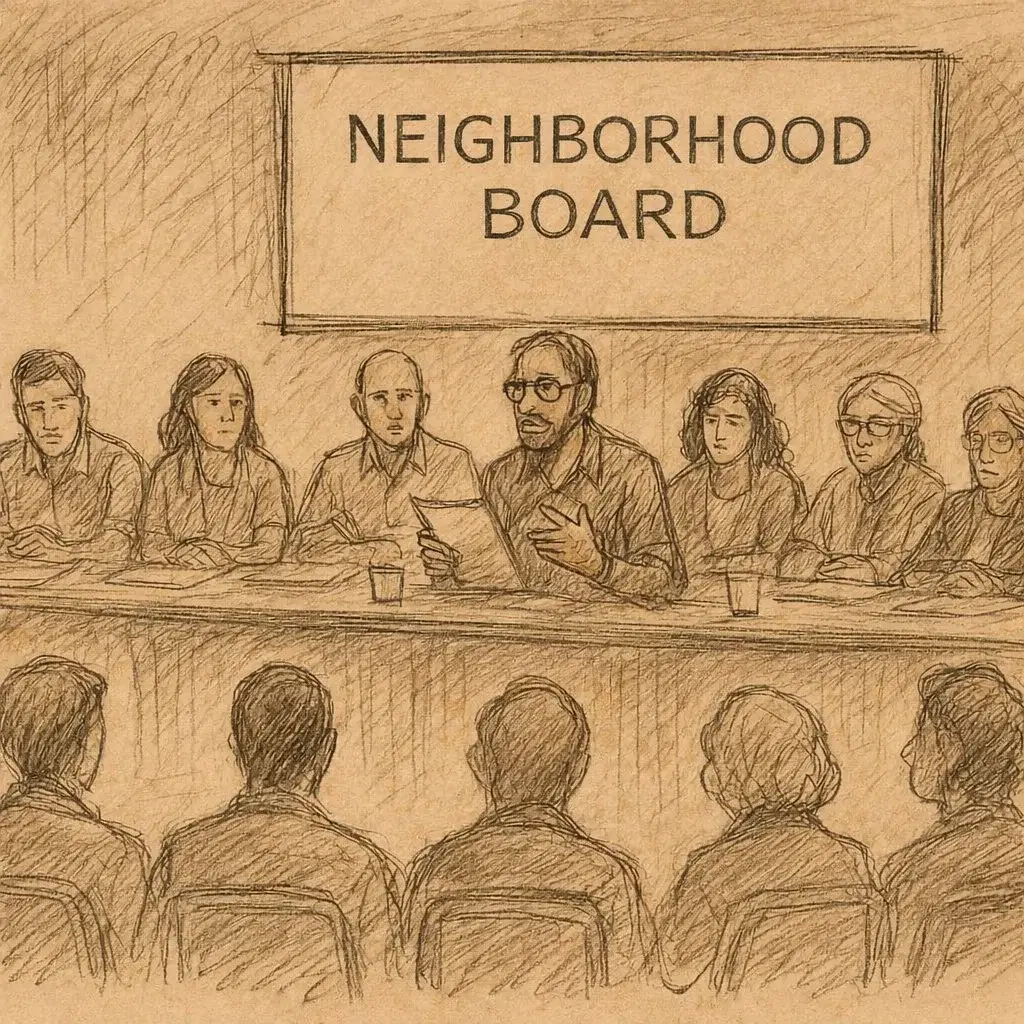
No 20 ʻAiea Neighborhood Board Regular Meeting November 2025
Waikīkī Neighborhood Board Meeting
Opening and Roll Call
The meeting began with a call to order and a quick roll call to determine quorum. Several Board members were absent, but enough were present to proceed. The Chair noted they had just enough members for an official quorum, underscoring the tight scheduling issues the Board faces each month. Attendance confirmations revealed various points of concern about ensuring consistent representation for the neighborhood and whether more community outreach could improve future turnout and board participation.
Honolulu Fire Department (HFD) Report
Representatives from HFD explained their monthly incident statistics, citing specific data on fires, brush burn calls, and emergency medical responses. They encouraged residents to report suspicious or illegal burns and mentioned that homelessness concerns or encampments should be addressed jointly by HFD and the Honolulu Police Department (HPD) or through the City's Crisis Outreach Response and Engagement program. HFD also detailed how the community can request incident reports and recommended fire-safe practices for the holiday season, such as avoiding overloading electrical outlets and securing open flames. They responded to questions on electrical vehicle fires, explaining that lithium-ion battery fires can be far more difficult to extinguish, sometimes requiring extended water application and careful monitoring.
Board Member and Community Questions on Electric Vehicle Fires
One Board member posed additional questions about HFD’s approach to electric or hybrid vehicle fires, emphasizing the risk of “thermal runaway,” a chain reaction where one overheating battery cell ignites the next. HFD reiterated its primary focus on preserving exposures around a burning battery, highlighting that such fires can remain active even when submerged in water. Community members also raised concerns about residential solar arrays and battery storage, wondering if house fires could intensify if multiple home systems ignited and spread to adjacent properties.
Honolulu Police Department (HPD) Status
HPD did not provide an official oral report, despite having some outstanding questions from the previous meeting. The Chair acknowledged that unresolved concerns remained, leaving the door open for HPD to address them at a future date. Residents expressed continued interest in stepping up enforcement at local parks, especially overnight, where there are concerns about vandalism and illegal behavior.
Board of Water Supply (BWS) Updates
A BWS representative reported a series of recent main breaks, detailing the streets and neighborhoods affected during the previous month. They noted that a public website tracks breaks larger than four inches in diameter and offers updates on repair timelines and water service restoration. The BWS also addressed an inquiry about a desalination project site in Kalaeloa, directing the Board and interested residents to a specialized website for in-depth information. Questions arose around utility costs and power purchase agreements for energy that BWS might pursue to lower the cost of water production. The BWS committed to returning with more details at a subsequent meeting. A community member reported a weekend water leak from a contractor's vehicle parked near a tank site on higher ground, illustrating how everyday activities can waste resources and affect local residents. Another neighbor noticed a missing BWS sign at a water reservoir and asked for better public notification to clarify project purposes when contractors fence off facilities.
Mayor’s Office Report
A representative from the Mayor’s Office highlighted the newly opened second segment of the Skyline rail project, adding several additional stations—including an airport stop—and increasing transportation options in the region. The official also mentioned city press releases moving to a more streamlined digital distribution system and listed highlights from the Mayor’s recent newsletter, such as ongoing sewer rate changes and efforts to maintain municipal parking facilities. Follow-up issues from previous questions included driveways and sidewalk access along certain roads, building permit enforcement for a fence at a special treatment facility, and structural concerns about rail columns near the station. Comments were shared about new digital payment possibilities for the transit system, such as tapping a credit card to ride the rail or bus, an option that could become available by March 2026. Requests were also made for increased police outreach in local parks, where after-hours illicit activities were reported. The Mayor’s Office reiterated that additional funding is needed to lock park restrooms at night.
City Councilmember Updates
One councilmember provided updates on legislative measures under review at the City Council, including potential modifications to vacation rental regulations, farm animal control, and reviews of certain conditional-use permits in agriculture-zoned areas. The member encouraged nonprofits to apply for city grants-in-aid and reminded attendees of ongoing holiday festivities like Honolulu City Lights and additional celebrations at Thomas Square. Concerns were raised about rising property values and property taxes, with residents noting how overall taxes grow considerably as assessed values climb. The councilmember clarified that there have been no direct proposals for blanket property tax increases and invited residents to explore budget details on the City website. Another councilmember’s representative mentioned several bills regarding fees on developers for rental housing, incentives for certain long-term rentals, and requirements that the Mayor submit more transparent budget reports. Residents were also reminded of upcoming naming dedications for local facilities, encouraging community members to attend ceremonies that highlight local contributions to public spaces.
State and Federal Representatives
A representative from the Governor’s Office highlighted accomplishments in bridging the gap during federal government shutdowns, assisting families on food and housing programs, and supporting local food banks. They also noted the selection of a Native Hawaiian advisory committee for ongoing discussions about state military leases and emphasized the administration’s focus on early education. Residents asked about the Public Utilities Commission, questioning leadership changes and the general oversight of large-scale energy projects. The Governor’s representative agreed to seek clarifications but stressed that the Commission is administratively attached to state government, making it semi-autonomous.
Representatives from the State Legislature addressed issues such as feral pigs in neighborhoods, an ongoing matter that requires coordination with private property owners and hunting groups to reduce intrusion in residential areas. Legislators reiterated that multiple agencies, including the Department of Land and Natural Resources, must cooperate for long-term solutions. Furthermore, they encouraged continued communication about potential legislative proposals, as the next session nears. One legislator described a combined Neighborhood Board event focusing on emergency preparedness and advised residents to attend for critical updates on responding to weather-related and other disasters. In addition, recent state funding was announced for correctional facility improvements and for local infrastructure such as Kalāiloa’s desalination project.
Community Reports: Aiea High School
The Athletic Director of a local high school described significant campus improvements, including a new track-and-field facility, updated bleachers, and the construction status of a Title IX-compliant locker room and weight training center for female student-athletes. The official noted that repeated delays resulted from additional funding requirements for visitor bleachers and necessary structural components. Completion of the modernized stadium and track is pending final design changes, with hopes of providing more community access once open. The board and residents commended the school’s renewed emphasis on campus vibrancy, demonstrated by events such as homecoming festivities, OIA athletic competitions, and multi-day gatherings that draw large crowds. In the midst of stadium modernization, the school remains cautious about granting public access to the track, awaiting official guidance on liability, scholarships, and usage schedules.
Community Reports: Aiea Community Association
The Aiea Community Association representative shared plans for the beloved annual Christmas Parade and Fun Fair, encouraging local groups such as neighborhood boards, nonprofits, and keiki sports teams to participate. Organizers anticipate large crowds, a blood drive, and health services such as flu shots to be offered at the fair. They also noted continuing discussions with an adjacent affordable housing complex, which is aiming to be half-occupied by early next year, highlighting local seniors moving into more accessible units near family and essential services. The association reminded attendees about ongoing concerns with dog waste and homelessness in certain areas, hoping to keep the neighborhood welcoming to new and longtime residents alike.
Reports on Stadium Authority and Swap Meet
Representatives for the Aloha Stadium redevelopment project, now referred to as the New Aloha Stadium Entertainment District, reported that site mobilization continues, with fencing and new office trailers gradually appearing. Full-scale demolition is expected to begin early next year, and officials have been refining traffic patterns for the ongoing swap meet, including improved signage for ride-share drop-offs and revised tear-down schedules to reduce overnight noise. Despite the reconfiguration, staff see positive feedback from vendors and customers, who appreciate that the new layout retains local entrepreneurial spirit while emphasizing public safety and cleanliness. A toy drive partnership with Helping Hands Hawaiʻi is among the upcoming holiday initiatives sponsored at the stadium site.
Oʻahu Community Correctional Center Update
Project representatives explained that the planning phases for a modern correctional facility continue. They have developed presentations for various community groups to clarify how the design addresses capacity, mental health services, and rehabilitation programs. However, final concept drawings and cost breakdowns remain in flux. Community members remain interested in how large county- and state-level projects can progress amid uncertain budgets and the need for modern detention standards that are safer for both staff and inmates.
Board Discussion and Resolutions
Several resolutions were debated. One concerned a proposed restricted parking zone (RPZ) designed to address non-resident vehicles parked for extended periods in residential neighborhoods. The Department of Transportation Services explained RPZ permit structures, fees, and the potential benefits of reducing congestion and illegal dumping. Residents recognized it might solve certain block-by-block daytime parking issues near treatment facilities but worried about permit costs, time restrictions, and whether an entire area should be obligated to pay fees to accommodate day visitors. The Board concluded that further study and community input would be prudent before establishing an RPZ.
A separate presentation focused on the possibility of an “empty homes tax,” though this did not culminate in a formal board vote. Another set of resolutions involving large-scale lithium-ion battery storage led to discussions on preparedness, fire suppression, and the potential health impacts if such systems ignited. The Board voted down one resolution calling for a moratorium on large battery projects, citing insufficient clarity about existing regulations and mitigation solutions. Another resolution addressing disposal fees for electric-vehicle batteries was deferred for additional details about cost sharing, manufacturer responsibilities, and the complexities of shipping or recycling spent batteries on an island. The Board also tabled a measure on proposed charter amendments due to time constraints and the complexity of these changes.
Community Concerns and Announcements
In the final moments, a community member reminded the Board of an upcoming disaster preparedness discussion led by a separate organizer, but several members expressed reservations about the session’s accuracy and scope. Another resident from a community healthcare registry urged neighbors to attend a webinar marking the anniversary of an environmental incident, underscoring collective efforts to track potential long-term health impacts. The meeting concluded with an announcement of the scheduled recess in December, setting the next gathering for mid-January. The Chair encouraged neighbors to stay active in local events, remain informed about development projects, and coordinate with their elected representatives to address pressing neighborhood concerns.